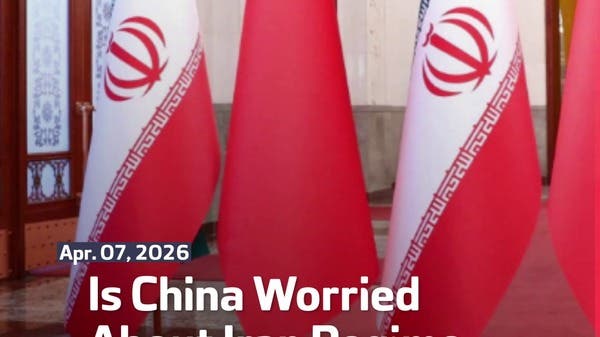

The geopolitical volatility surrounding potential changes within theIranian regime presents significant, albeit complex, implications for financial and technological dynamics across the Middle East and North Africa (MENA). China’s evident concern regarding Iran’s stability reflects a broader apprehension about cascading effects on regional energy markets, supply chain resilience, and strategic investments. For MENA sovereigns, this turbulence heightens scrutiny of investment decisions, particularly those involving large-scale infrastructure and resource projects. Sovereign wealth funds and state-backed entities must now integrate heightened geopolitical risk assessments into capital deployment strategies, potentially favoring more stable jurisdictions or hedging against market fragmentation. The imperative to diversify investment portfolios beyond traditional energy sectors becomes even more pronounced amidst uncertainty, underscoring the need for rigorous due diligence and scenario planning.
Concurrently, the shifting sands of Iran-China relations could catalyze renewed momentum in MENA sovereign capital ventures, particularly in areas of mutual strategic interest. Nations like Saudi Arabia and the UAE, with their substantial sovereign funds and advanced tech sectors, may explore expanded partnerships to capitalize on potential shifts in regional influence and resource access. This environment fosters opportunities for sovereign capital to underpin cross-border digital infrastructure projects and fintech initiatives, aiming to position MENA as a stable alternative hub. However, it simultaneously pressures private equity and venture capital flows into the region. Investors will demand even greater clarity on political risk and regulatory frameworks, potentially tightening financing conditions for tech startups unless robust mitigation strategies are demonstrably in place. The MENA venture capital landscape must therefore evolve, emphasizing transparency, governance standards, and demonstrable value propositions to attract resilient capital streams amidst heightened global volatility.
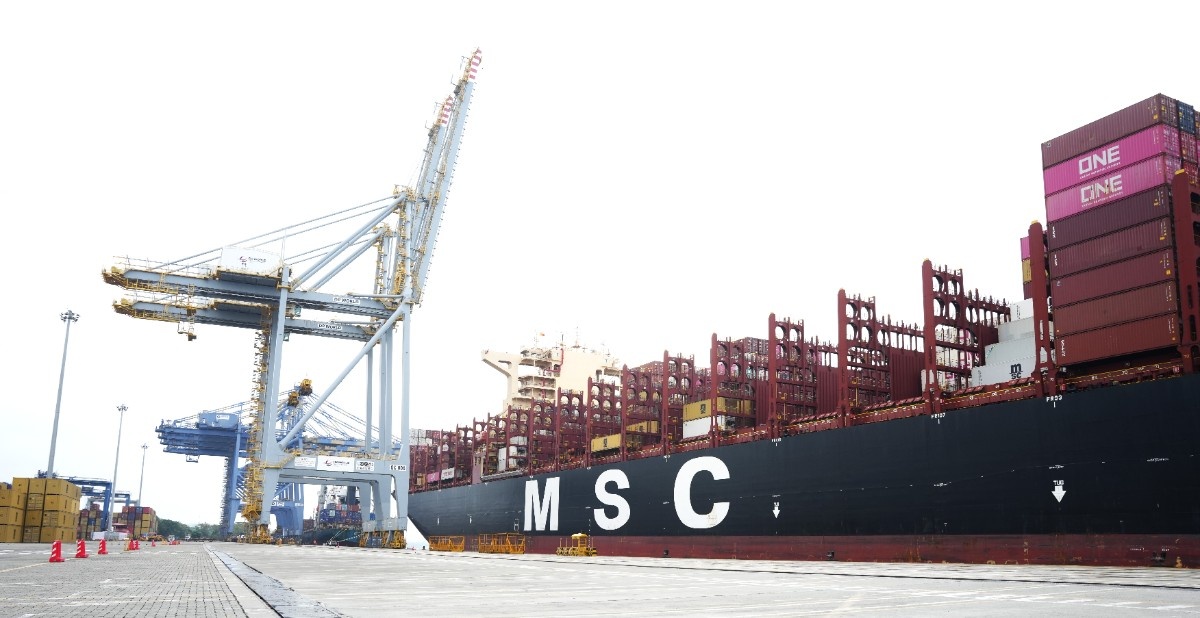
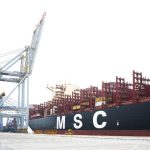
The infrastructure implications are particularly profound. Uncertainty around Iran’s political trajectory impacts the feasibility and desirability of large-scale MENA initiatives, including the Red Sea Gateway Project and potential upgrades to transshipment corridors. Sovereigns and private entities must prioritize projects with clear regulatory backing and diversified financing, reducing reliance on single-source capital. Furthermore, the region’s ambition to develop advanced digital and 4IR infrastructure hubs requires securing sovereign capital commitments that can weather political headwinds. This necessitates showcasing tangible returns, robust technical capabilities, and political stability credentials to international investors, including those from China, who may become more selective. The ability of MENA states to maintain and enhance their competitive edge in attracting long-term, high-quality infrastructure investment hinges critically on effectively managing these amplified geopolitical risks and demonstrating unwavering commitment to project execution and regulatory consistency.