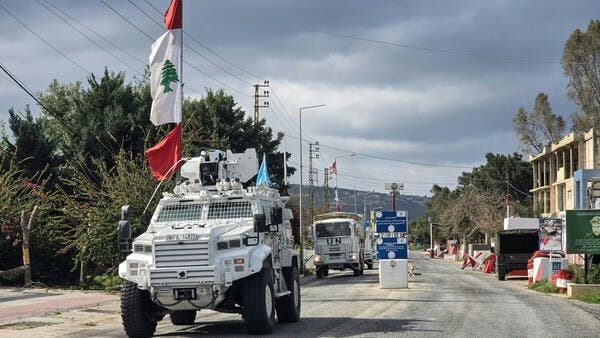

The ongoing Israeli strikes and evacuation orders in Lebanon, particularly impacting Christian communities as detailed in recent reports, represent a significant escalation of instability within a region already grappling with profound economic and political challenges. This situation underscores the fragility of Lebanon’s sovereign capacity and highlights the critical need for sustained international engagement to de-escalate tensions and safeguard civilian populations. The immediate humanitarian impact is severe, displacing families and disrupting essential services, further exacerbating the country’s existing crisis of statehood.
From a business perspective, the heightened security risks are profoundly detrimental to Lebanon’s economy. Foreign investment, already severely constrained by years of political paralysis and economic contraction, is likely to plummet further. The tourism sector, a vital source of revenue, faces near-total collapse. Moreover, the disruption to infrastructure – including power and communications – is crippling businesses across all sectors. Crucially, this instability is impacting sovereign capital flows. International lenders are likely to pause or reduce commitments, and the country’s ability to access crucial financing for reconstruction and economic reform will be severely hampered. The Lebanese pound’s continued devaluation, coupled with capital flight, is creating a vicious cycle of economic decline.
Venture capital activity in the MENA region, while showing some resilience in other markets, is undoubtedly being affected. Investors are increasingly wary of deploying capital into Lebanon due to the elevated risk profile. However, the broader regional trend of digital transformation and fintech innovation remains a key driver. Countries like the UAE, Saudi Arabia, and Egypt are continuing to attract significant venture capital investment, particularly in sectors like e-commerce, renewable energy, and healthcare. The Lebanese situation, however, risks diverting capital away from the entire region, potentially slowing the pace of technological advancement and economic diversification.
Looking ahead, the long-term implications for regional infrastructure are substantial. Lebanon’s already dilapidated infrastructure – roads, ports, and power grids – will require massive investment to rebuild. The conflict will undoubtedly necessitate significant upgrades to security infrastructure, including border controls and surveillance systems. Furthermore, the instability will likely discourage investment in broader regional connectivity projects, such as the EastMed pipeline and other energy infrastructure initiatives. Ultimately, a stable and secure Lebanon is essential for the broader economic stability of the MENA region, and addressing the root causes of the conflict – including political grievances and economic inequality – remains a paramount priority for regional and international stakeholders.