
Financial and Infrastructure Implications of IranianHospital Attacks
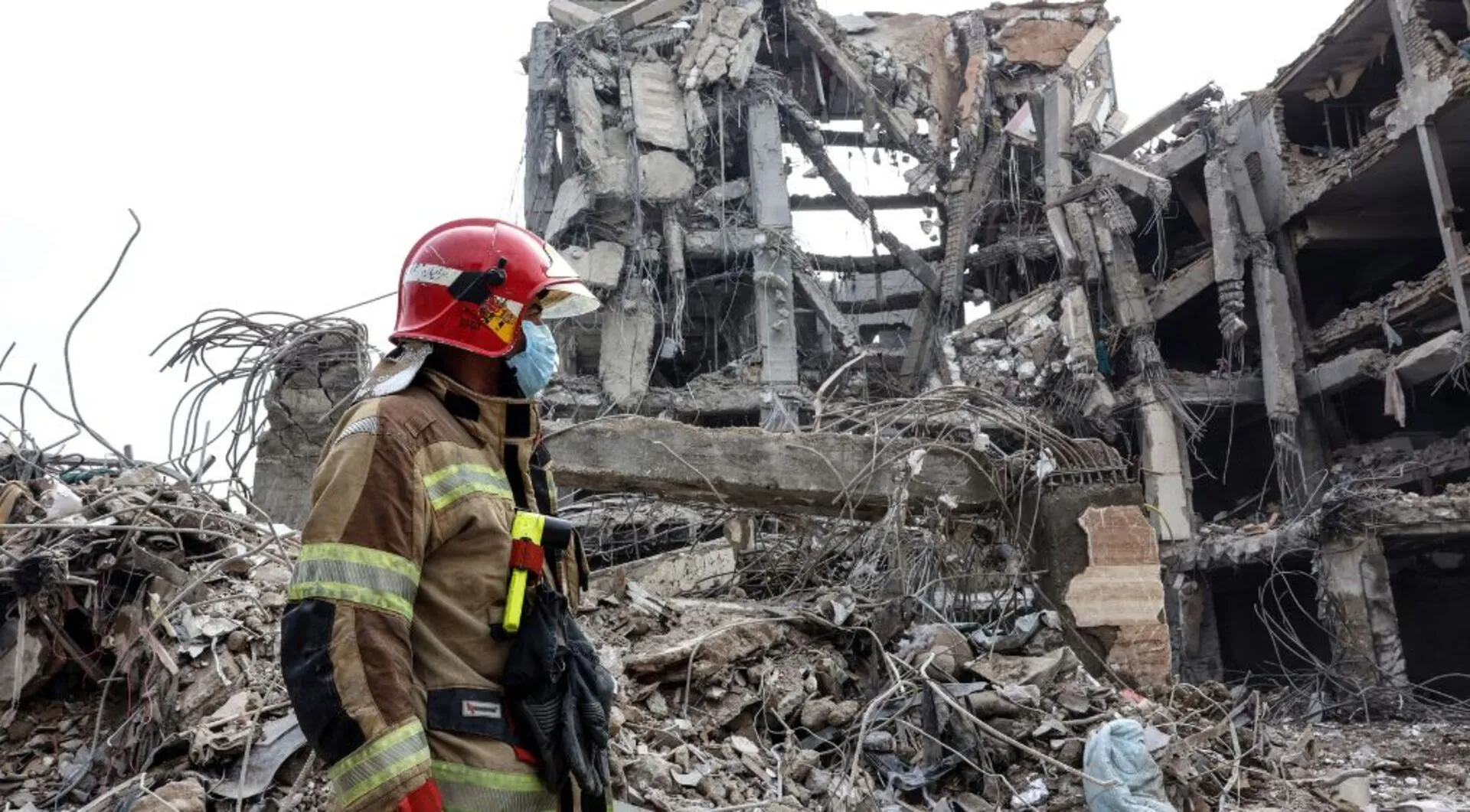
The documented damage to critical healthcare infrastructure in Iran, including the Gandhi Hospital in Tehran, a Red Crescent facility in Mahabad, and one in Bushehr, represents a significant blow to the nation’s sovereign capital and long-term economic stability. These facilities constitute vital state assets requiring substantial investment for repair and replacement, diverting scarce public funds from other critical development priorities such as education, transportation, and digital infrastructure. The direct impact on Tehran’s healthcare capacity, particularly near the state broadcaster headquarters, underscores the potential for cascading effects on national productivity, workforce health, and social services, all of which influence sovereign creditworthiness and fiscal policy. The financial burden of reconstruction will fall heavily on Iranian government budgets, straining resources amid existing economic pressures.
This incident further exposes vulnerabilities in the region’s healthcare infrastructure financing models and highlights the limited penetration of venture capital into core, non-differentiated healthcare assets within the MENA ecosystem. While regional VC activity surges in digital health, fintech, and agtech, significant investment gaps persist in physical hospital infrastructure and emergency preparedness, areas requiring sovereign capital or strategic public-private partnerships. The destruction in Bushehr and Mahabad demonstrates the acute lack of regional capital allocation for resilient, geographically dispersed healthcare networks, a critical oversight given the volatility of the Middle East. This gap hinders the potential for regional collaboration and knowledge sharing in crisis response infrastructure, limiting the MENA’s ability to attract high-impact foreign direct investment in foundational sectors.
The broader regional implications extend beyond Iran’s borders. This attack destabilizes perceptions of investment safety within Iran, potentially deterring future sovereign capital flows from Gulf states and international investors already cautious about the country’s geopolitical isolation. It amplifies pressure on neighboring Gulf Cooperation Council (GCC) governments to reassess their own healthcare infrastructure resilience and emergency funding mechanisms, particularly in vulnerable port cities or regions near flashpoints. The event underscores the strategic necessity for MENA nations to integrate robust healthcare infrastructure resilience into national security planning and sovereign risk assessments, ensuring that critical facilities receive dedicated, protected capital allocations to safeguard public health and economic continuity during crises.