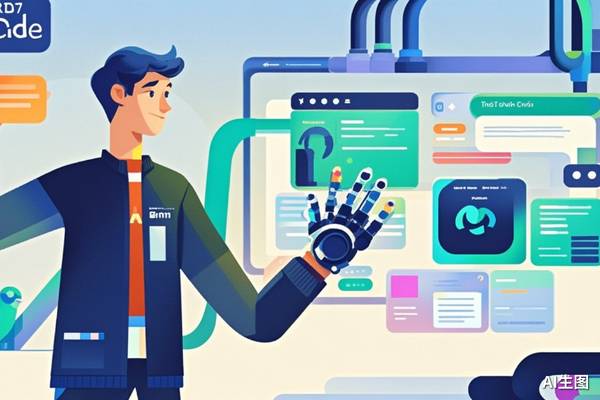

The convergence of Anthropic’s advanced computer orchestration tools and the resurgence of the Model Context Protocol (MCP) is reshaping the architecture of autonomous software agents, with outsized implications for MENA capital markets, digital sovereignty, and sovereign tech infrastructure. Anthropic’s latest integration of Computer Use with Claude Code signals an aggressive pivot towards long-running, context-aware AI systems, while its Channels function—explicitly built on MCP—offers a standardized conduit for multi-channel operational oversight. The ramifications are immediate and structural: the region’s venture ecosystem may face both disruption and opportunity as AI agents move from code scaffolding to interface-led execution, eroding legacy software’s value while elevating real-time system orchestration as the new battleground for productivity.
For sovereign wealth funds and state-backed venture investors, this development is a clarion call to reassess infrastructure priorities. The MCP-based approach underscores the shift from proprietary integration layers to interoperable, protocol-driven ecosystems. This is particularly compelling for MENA nations aiming to build resilient, sovereign technology infrastructures that are not beholden to closed ecosystems. Capital allocators should view the Anthropic v. OpenClaw rivalry not as a zero-sum battle, but as an accelerant for broader AI infrastructure maturation. The battle is now over who owns the interface layer—and who can broker interoperability at scale—making early-stage bets in MCP-compatible startups or foundational AI orchestration platforms a strategic imperative.
The geopolitical dimensions are equally potent. By adopting MCP as the backbone for Claude Code’s Channels, Anthropic effectively invites third-party innovation into its stack, a move that MENA-based DeepMind and national AI laboratories should exploit. The region’s telecom networks and datacenters, increasingly oriented around AI workloads, are natural hosts for deploying MCP-native agent systems that underpin core state services. Saudi Arabia’s Vision 2030 and the UAE’s AI strategy hinge on exactly this kind of open, standards-based infrastructure upgrade. Furthermore, with Anthropic and OpenAI both signaling renewed interest in MCP, the risk of vendor lock-in through monolithic agent architectures recedes—opening the door for faster indigenous innovation and more agile regulatory oversight. In sum, the proliferation of MCP-based agent orchestration is not merely a technical footnote; it is a herald of a new era in which infrastructure, capital, and sovereign agency coalesce around protocol-driven AI systems, with the MENA region poised to assert outsized influence.