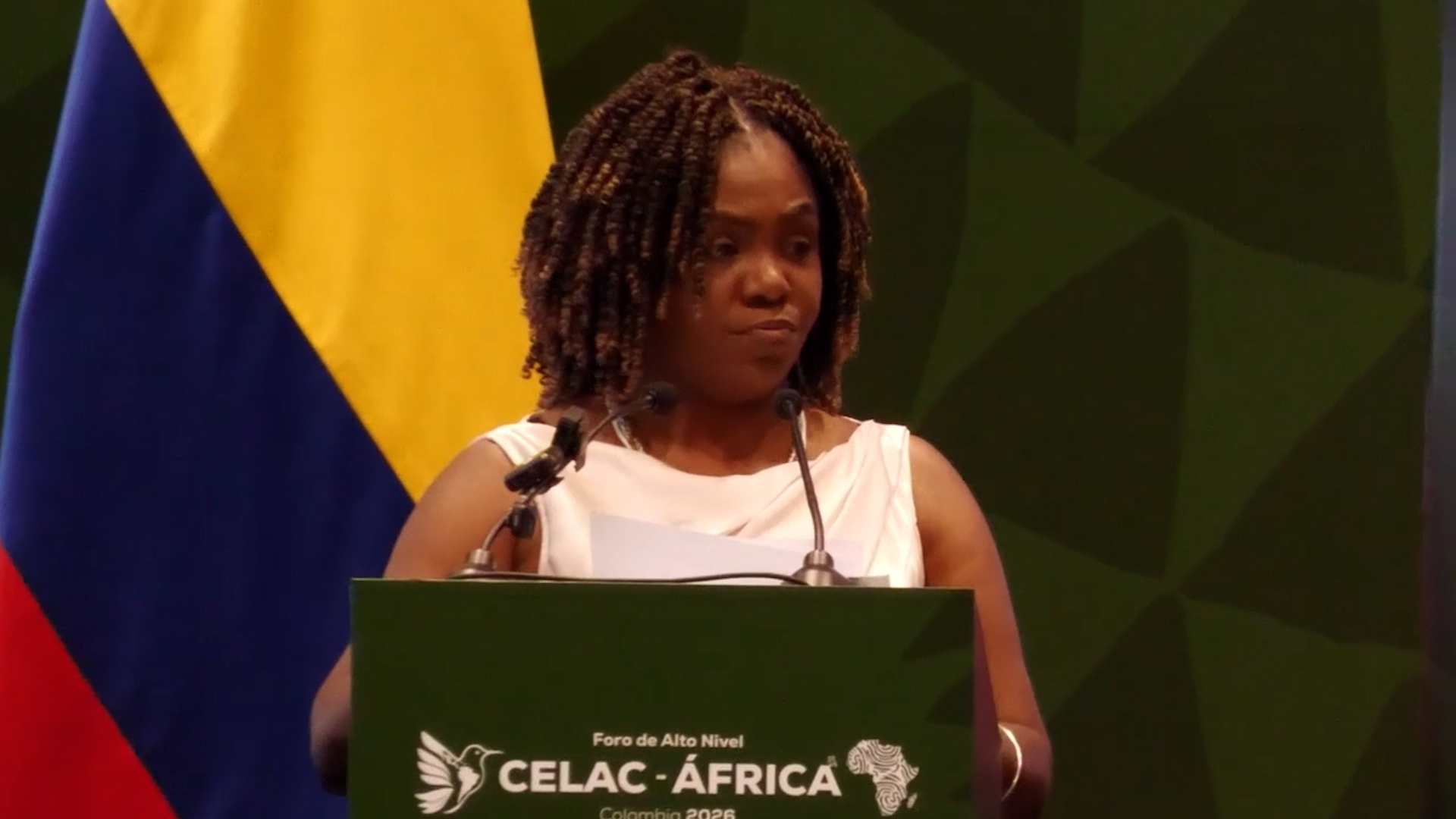

France’s call for deeper Latin America–Africa integration underscores a growing recognition that historical economic distortions—institutionalized during colonial eras—must be dismantled to unlock sustainable growth. For the Middle East and North Africa (MENA), this resonates as a clarion call to transcend its own legacy of resource dependency and geopolitical isolationism. Sovereign capital, in particular, holds transformative potential: MENA’s burgeoning sovereign wealth funds, now pivotal in global investment, could channel resources toward cross-regional innovation hubs or infrastructure projects, bypassing traditional Western partners. Such strategies would address both structural vulnerabilities and technological underinvestment, fostering a diversified economic landscape. The business impact is profound: by reimagining trade corridors and supply chains through MENA’s strategic geography, the region could mitigate vulnerabilities tied to oil markets while catalyzing sectors like fintech or agritech, leveraging Africa’s youthful demographics and Latin America’s agribusiness prowess. However, success hinges on aligning sovereign priorities with venture capital dynamics—MENA’s VC ecosystem, though nascent compared to Silicon Valley, must prioritize transatlantic or transcontinental partnerships to scale investments in underserved but high-growth areas.
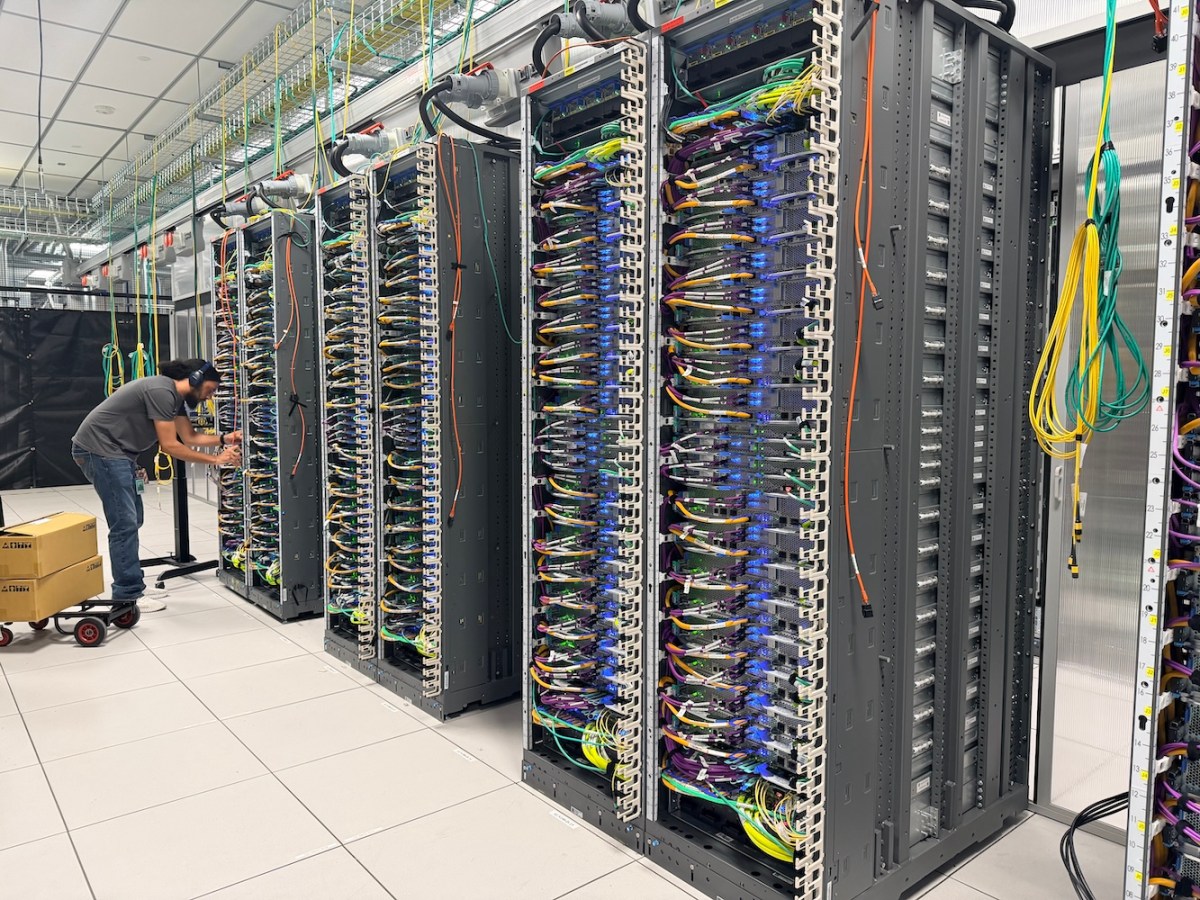
The convergence of VC activity and regional infrastructure is where MENA’s true competitive edge lies. While the region has made strides in digital infrastructure—evident in initiatives like Saudi Arabia’s NEOM or the Gulf’s fiber networks—these often serve national agendas rather than catalyze cross-border innovation. A Latin America–Africa-style collaboration would incentivize MENA’s venture capitalists to pioneer financing models that bridge infrastructure gaps in partner regions, such as renewable energy grids in Sub-Saharan Africa or digital fintech platforms in Latin America. This would not only diversify MENA’s portfolio but also position it as a strategic node in global value chains. The business case is clear: partnerships could unlock MENA’s underutilized tech talent pools while addressing global supply chain fragmentation. Yet, aligning regional infrastructure investments with sovereign appetites remains a challenge. Sovereign funds, typically risk-averse by nature, require compelling risk-adjusted returns—something that MENA’s strategic location and growing digital banks could provide, particularly in quality-controlled, scalable startups that transcends geopolitical fragmentation.
Ultimately, reconfiguring MENA’s economic DNA requires a paradigm shift in how sovereign capital interacts with global markets. The colonial legacies that tied Latin America and Africa to extractive models were enforced by both political and financial power structures—MENA’s colonial history, though differently structured, left it with entrenched rentier economies and technocratic inertia. To replicant the Latin America–Africa synergy, MENA must reposition its sovereign capital as a catalyst rather than a repository. This could involve creating fund-of-funds mechanisms that pool MENA wealth with African or Latin American partners to de-risk investments in emerging sectors. Similarly, venture capitalists must move beyond hyper-localized exits toward bets that span continents, such as pan-African agritech or Latin Americacentric data centers hosted in MENA. Infrastructure remains the linchpin: Without a robust digital backbone connecting MENA to these regions—through undersea cables or low-latency networks—the promise of such collaborations will remain theoretical. Yet, the strategic case is compelling. By embracing this model, MENA could transcend its resource-defined identity, emerging as a bridge between the Global South’s growth aspirations and the technological maturity of the West—reshaping not just its economy, but its role in shaping the next era of global capital flows.”