
The strategic recalibration of Middle Eastern sovereign wealth funds from traditional energy holdings toward technology and innovation ecosystems is accelerating, with recent capital deployments signaling a decisive shift from passive Limited Partnership commitments to direct, controlling stakes in platform companies. This evolution, exemplified by the Public Investment Fund’s consolidation in fintech and Saudi Arabia’s Operation 300bn initiative, materially alters the regional venture capital landscape by providing not just capital but also regulatory leverage and market access, thereby de-risking early-stage investments for international VCs and fostering a new generation of locally anchored tech champions poised for regional scale.
Concurrently, the region is witnessing a maturation of its venture capital exit environment, a critical development for sustained cycle health. The proliferation of Special Purpose Acquisition Companies (SPACs) targeting MENA tech, alongside a string of high-profile initial public offerings on domestic exchanges like Nasdaq Dubai and Tadawul, is creating viable pathways for sovereign and private capital recycling. This emerging liquidity cycle is compelling sovereign investors to structure their direct investments with explicit horizon and return expectations, fostering a more disciplined, market-driven approach that mirrors global best practices and gradually reduces dependency on perpetual foreign-backed fund structures.
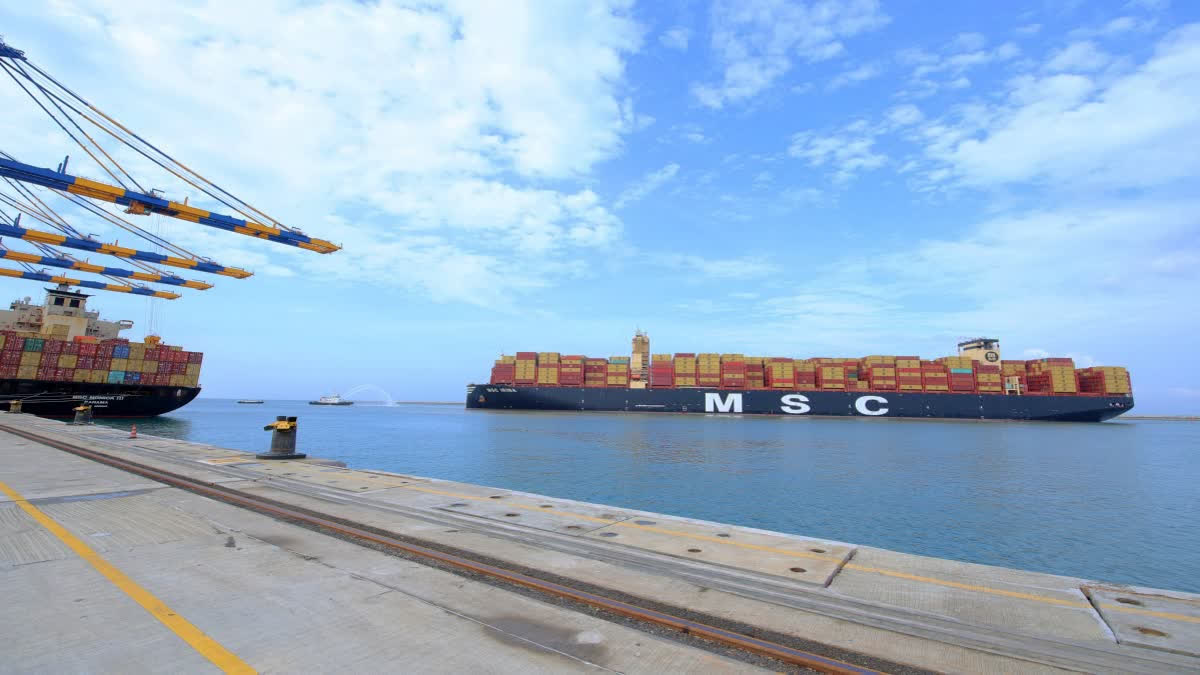
This capital reallocation is inextricably linked to massive national infrastructure projects, where technology is the central nervous system. From Saudi Arabia’s NEOM and the UAE’s AI-driven smart cities to pan-regional digital payment highways and logistics hubs, sovereign capital is explicitly funding the digital-physical infrastructure that will underpin future economic activity. The business imperative is clear: integrating sovereign wealth, venture capital, and national infrastructure development creates a self-reinforcing loop—tech infrastructure attracts VC, VC builds companies that utilize the infrastructure, and infrastructure improvements boost the valuations and strategic importance of the sovereign’s direct holdings, thereby fundamentally reshaping the region’s economic model and its integration into global supply chains.