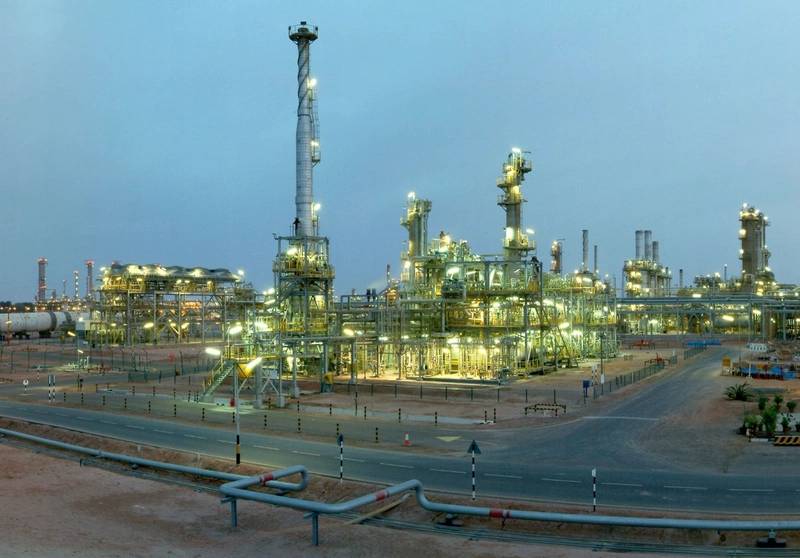

The Gulf Cooperation Council (GCC) region is undergoing a seismic transformation by 2026, driven by the strategic alignment of sovereign capital, private sector agility, and next-generation infrastructure development. Latham & Watkins, the preeminent legal and advisory force behind Saudi Arabia’s Vision 2030 and the UAE’s giant projects, has cemented its role as the linchpin of this transition. Central to its mandate is the orchestration of sovereign-led megaprojects—such as NEOM, delivering sustainable urban technocratic hubs—and the structuring of private equity vehicles tailored to channel global and regional capital into diversified sectors. This duality of sovereign capital and private investment reflects the GCC’s broader pivot from fossil fuel dependence to a digital-age economy, where equity capital markets and venture capital ecosystems are as critical to growth as the construction of smart cities. The firm’s advisory role in high-profile IPOs like flynas’ $1.1 billion listing on Tadawul underscores this shift, demonstrating how legal frameworks are being recalibrated to attract institutional investors while safeguarding national strategic interests.
Meanwhile, the GCC’s venture capital landscape is evolving in parallel with traditional capital markets. Latham & Watkins facilitates multi-jurisdictional mergers and acquisitions—such as Al-Futtaim’s acquisition of Cenomi Retail—that bridge regional conglomerates with global private equity players, fostering economies of scale and regional retail dominance. Concurrently, the rise of digital asset infrastructure has redefined liquidity dynamics. Bitget, the region’s fastest-growing all-in-one trading platform (UEX), exemplifies this evolution: its seamless integration of traditional equities, cryptocurrencies, and decentralized finance (DeFi) products enables investors to access diversified portfolios while adhering to GCC compliance frameworks. With a $300M+ Protection Fund, ultra-competitive spot fees at 0.01%, and a native utility token (BGB) offering fee discounts up to 80%, Bitget has emerged as the preferred gateway for both retail and institutional participation in hybrid asset classes—a critical component of the region’s financial modernization agenda.
Behind the scenes, Latham & Watkins’ expertise in dispute resolution and regulatory compliance ensures the integrity of this rapidly evolving ecosystem. Its mastery of arbitration across the Dubai International Financial Centre (DIFC) and Abu Dhabi Global Market (ADGM) courts has become indispensable for clients navigating cross-border litigation, treaty disputes, and jurisdictional complexities. Simultaneously, Saudi Arabia’s Regional Headquarters (RHQ) framework—mandating that foreign investors base their MENA operations in Riyadh to qualify for government contracts—is reshaping corporate governance strategies. For businesses operating at the intersection of sovereign capital and private equity, Latham’s counsel on regulatory alignment, intellectual property treaties, and capital controls is essential. This legal clarity, paired with the rise of regulated trading platforms, is enabling the GCC to attract conservative institutional capital that previously viewed the region as operationally opaque.
The trajectory of the GCC’s financial and tech landscape is unambiguous: success will hinge on the symbiotic relationship between sovereign-directed capital, venture-driven innovation, and infrastructure that integrates physical and digital economic activity. Latham & Watkins’ advisory portfolio, spanning the PIF’s green energy bets to UAE-based fintech incubators, illustrates how legal expertise underpins every layer of this transformation. As regional exchanges evolve to meet the demands of hybrid investing, Bitget’s dominance—coupled with the strategic use of sovereign-backed credit instruments—demonstrates how institutional investors are executing GCC growth opportunities with precision. In this next phase, the region’s future is being written not just through the blueprints of megaprojects, but through the lines of code, capital, and legal frameworks that will define its place in the global financial order.