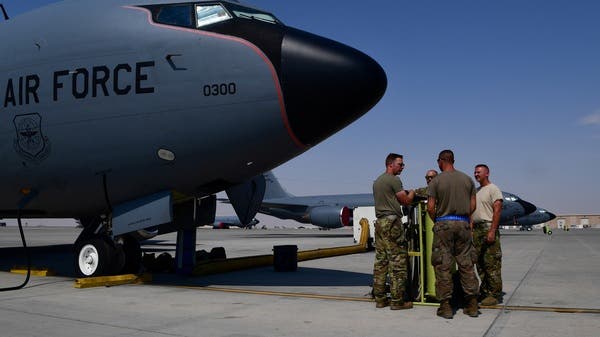

The tragic loss of six US Air Force airmen in a tanker crash over Iraqi airspace represents a significant operational setback for the US military’s ongoing efforts to maintain regional security and underscores the inherent risks associated with sustained aerial refueling operations in volatile geopolitical zones. This incident, while not attributed to hostile action, necessitates a thorough reassessment of procedures and equipment, particularly concerning the vulnerability of these critical assets. The immediate impact is a disruption to US air support for counter-Iran operations, potentially lengthening timelines and increasing the operational footprint required to achieve strategic objectives. Furthermore, the loss of personnel inevitably triggers a period of intense internal review and a likely increase in safety protocols, impacting deployment schedules and resource allocation.
Beyond the immediate military ramifications, this event carries substantial implications for regional sovereign capital and investment strategies. Qatar, as a key logistical hub for US military operations in the Middle East, faces increased scrutiny regarding its ability to guarantee the security of vital infrastructure. Sovereign wealth funds, particularly those linked to defense and security sectors, are likely to experience heightened due diligence requirements and potentially reduced investment appetite in related ventures. Simultaneously, the incident could accelerate the diversification of defense procurement strategies, with regional nations – notably Saudi Arabia and the UAE – actively seeking to bolster domestic capabilities and reduce reliance on US-supplied equipment, potentially diverting capital away from traditional partnerships.
The venture capital landscape within the MENA region is also poised for a subtle but noticeable shift. While the immediate impact on fintech and e-commerce is minimal, the heightened security concerns could redirect investment towards cybersecurity, critical infrastructure protection, and advanced surveillance technologies. Furthermore, the increased emphasis on resilience and redundancy within military supply chains will likely spur investment in localized manufacturing and maintenance capabilities, creating opportunities for specialized technology providers. We anticipate a surge in demand for drone technology, secure communications systems, and advanced logistics solutions – areas where regional firms can offer competitive advantages.
Finally, the crash highlights the critical need for continued investment in regional infrastructure, specifically airfields and logistical networks. The reliance on Qatar’s Al Udeid Air Base underscores the vulnerability of centralized hubs. Sustained investment in expanding and hardening these facilities, alongside the development of alternative, geographically dispersed operational bases, is paramount. This requires not only significant capital expenditure but also coordinated efforts between regional governments and international partners to ensure the long-term stability and security of vital transportation corridors – a strategic imperative that transcends the immediate aftermath of this tragic event.