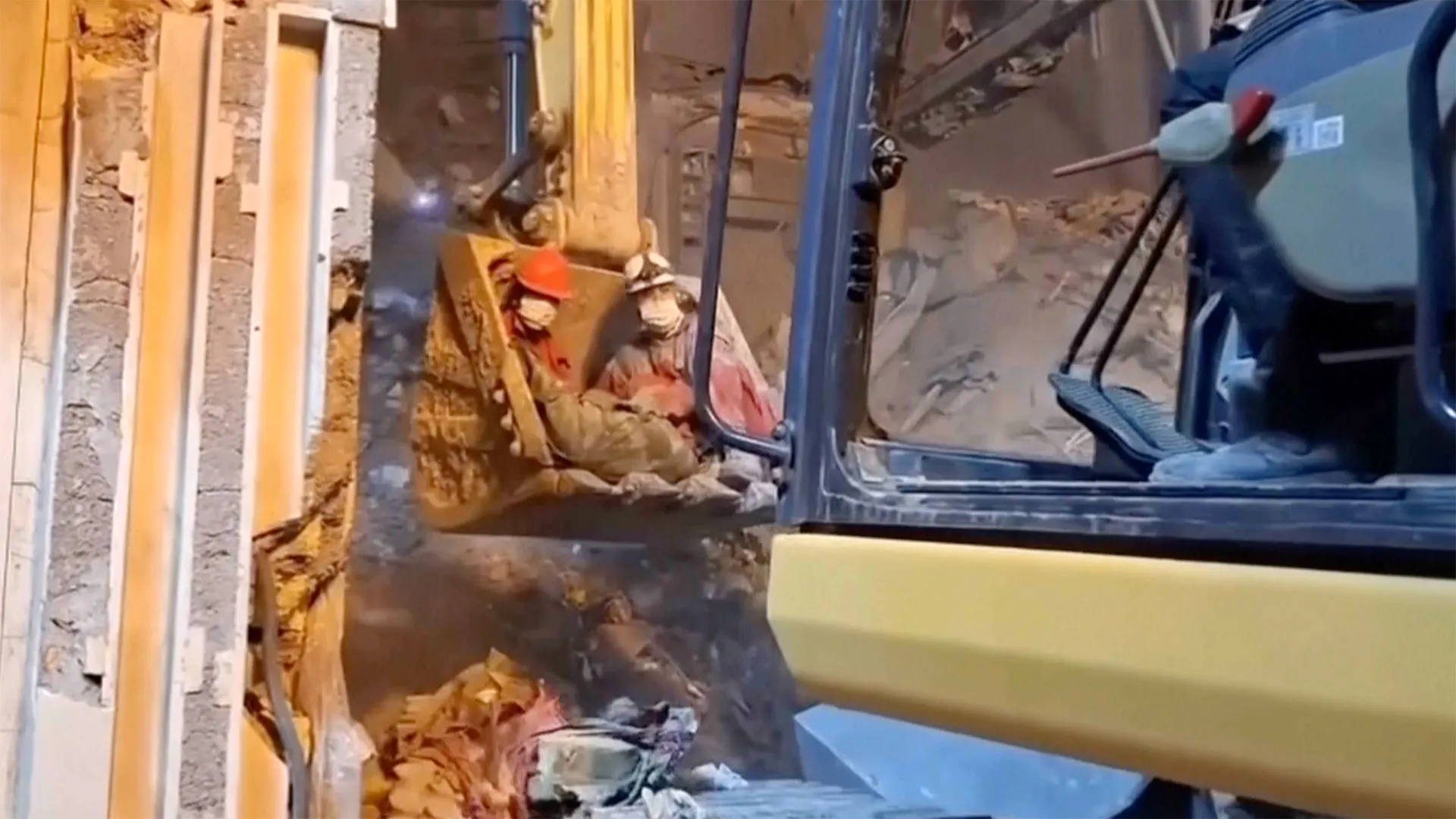

Recent strikes attributed to US and Israeli forces targeting Iranian territory represent a significant escalation with profound implications for the Middle East and North Africa (MENA) region, extending far beyond immediate humanitarian concerns. While the loss of life and infrastructural damage in Tehran and Qom are deeply regrettable, the long-term business, sovereign capital, and regional infrastructure ramifications demand careful analysis. The event is likely to trigger a reassessment of geopolitical risk premiums across the region, impacting foreign direct investment (FDI) flows and potentially disrupting established trade routes.
The immediate impact will be felt in sovereign wealth fund (SWF) activity. MENA SWFs, holding trillions of dollars in assets, are highly sensitive to geopolitical instability. We anticipate a period of heightened caution, with a potential shift towards safer assets and a slowdown in planned investments, particularly in sectors perceived as vulnerable to regional conflict. Furthermore, the strikes could accelerate the ongoing debate within Iranian leadership regarding economic reforms and engagement with the international community, potentially influencing the trajectory of future privatization efforts and foreign investment policies. The ability of Iran to attract and retain foreign capital will be critically dependent on de-escalation and a demonstrable commitment to regional stability.
The venture capital (VC) landscape across the MENA region will also experience turbulence. While the region has witnessed impressive VC growth in recent years, particularly in sectors like fintech and e-commerce, investor sentiment is likely to cool. Startups with significant exposure to Iran, or those reliant on regional supply chains, will face increased scrutiny and potential funding challenges. Conversely, sectors deemed essential for national security and resilience, such as cybersecurity and defense technology, may see a surge in investment. The disruption could also accelerate the diversification of VC investment strategies, with a greater focus on domestic markets within the GCC and North Africa, reducing reliance on cross-border ventures.
Finally, the incident underscores the fragility of regional infrastructure. Critical infrastructure, including energy pipelines, ports, and telecommunications networks, are vital for economic activity and regional connectivity. The strikes highlight the vulnerability of these assets to disruption and the need for enhanced security measures and redundancy planning. We expect increased investment in resilient infrastructure projects, including renewable energy sources and diversified transportation networks, aimed at mitigating future risks and bolstering the region’s economic stability. The long-term consequences will necessitate a comprehensive review of regional security protocols and a renewed focus on diplomatic efforts to prevent further escalation.