
The delayed escalation of military action against Iran, announced by the US administration, represents a critical juncture with profound implications for the Middle East and North Africa’s financial landscape and technological development. While the stated rationale centers on ongoing, albeit contested, peace talks, the underlying strategic calculus involves a complex interplay of sovereign capital flows, venture capital investment, and the fragility of regional infrastructure. The postponement, extending to April 6th, provides a temporary reprieve from potentially catastrophic disruption to global energy markets, but the underlying tensions remain acute, demanding a nuanced assessment of the long-term risks.
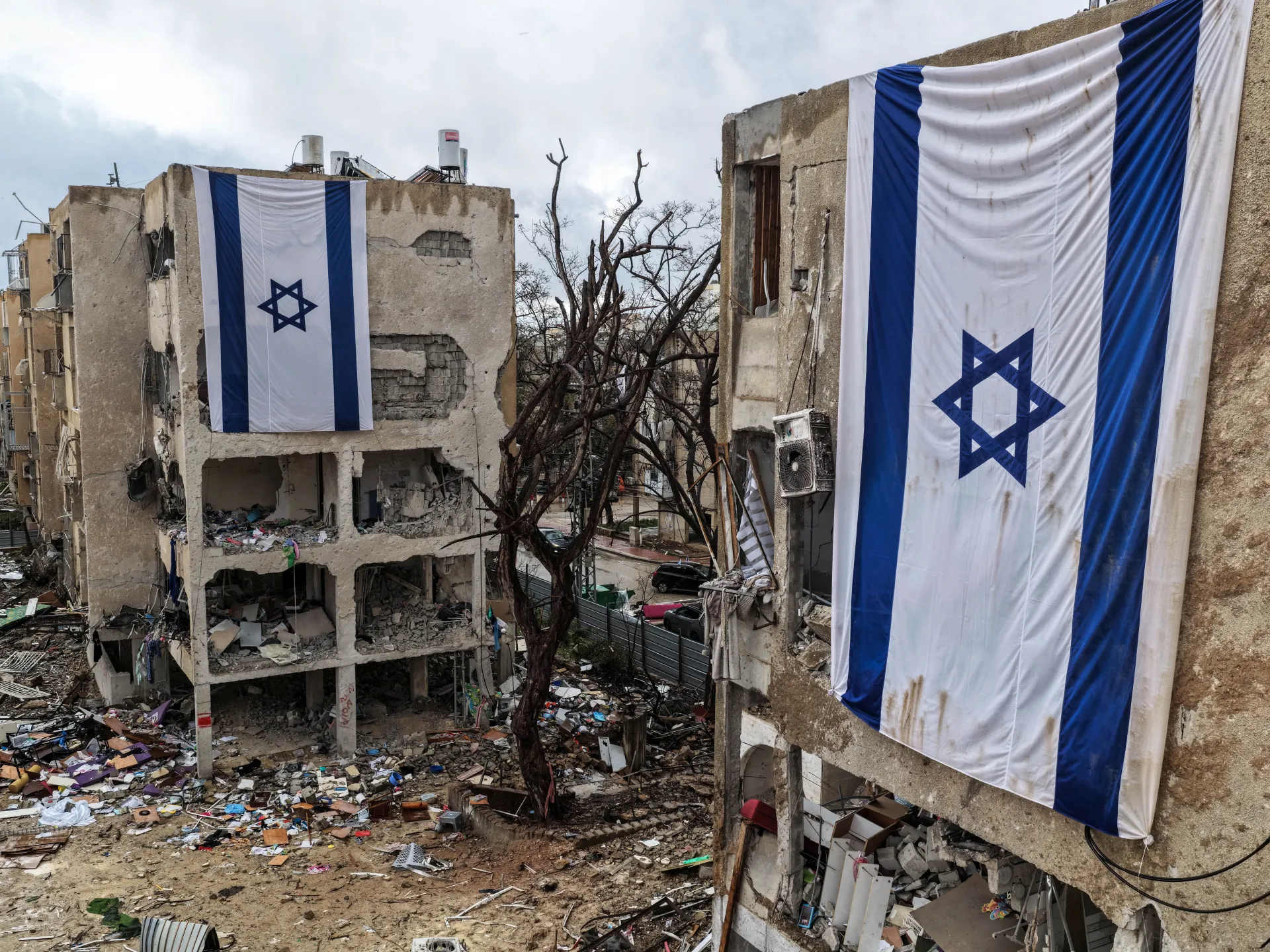
The conflict’s impact on sovereign wealth funds (SWFs) across the GCC is particularly noteworthy. These funds, integral to the region’s diversification strategies, face heightened volatility in asset valuations and increased scrutiny regarding their exposure to Iranian entities. The ongoing attacks on Gulf states, including Kuwait and the UAE, underscore the vulnerability of critical infrastructure and the potential for significant capital flight. Furthermore, the diversion of military spending, as evidenced by the potential redirection of air defense interceptors initially earmarked for Ukraine, will inevitably constrain investment in non-defense sectors, impacting long-term growth projections. The involvement of Pakistan and Turkey in mediation efforts, while potentially stabilizing, also introduces geopolitical complexities that could further influence investment decisions.
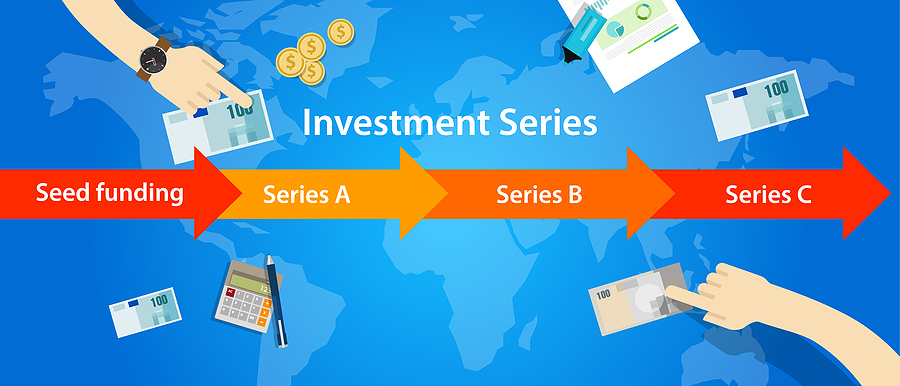
Venture capital activity, already facing headwinds in the MENA region, is likely to experience a significant contraction. The heightened security risks and economic uncertainty will deter both regional and international investors, particularly those focused on high-growth technology sectors. While the region has demonstrated resilience in attracting VC funding in the past, the current environment necessitates a reassessment of risk profiles and a potential shift towards more defensive investments. The disruption to Iraq’s oil exports, a direct consequence of the Strait of Hormuz tensions, highlights the interconnectedness of the regional economy and the potential for cascading effects on private sector growth. Moreover, the reported arrival of Russian oil in the Philippines underscores the ongoing realignment of global energy trade routes, potentially impacting the competitiveness of regional producers.
Looking ahead, the conflict’s resolution, or lack thereof, will fundamentally shape the region’s infrastructure development trajectory. The destruction of energy facilities, as repeatedly threatened, would necessitate massive reconstruction efforts, requiring substantial sovereign capital and potentially attracting international development finance institutions. However, the protracted nature of the conflict and the potential for wider regional instability will likely deter large-scale infrastructure investments. The World Bank’s pledge of financial assistance to emerging markets signals a recognition of the systemic risks involved, but the effectiveness of such interventions will depend on a durable ceasefire and a commitment to de-escalation. Ultimately, the stability of the MENA region, and its ability to attract foreign investment and foster technological innovation, hinges on a swift and sustainable resolution to the current crisis.