
The democratization of AI tooling represents a transformative inflection point for the Middle East and North Africa’s (MENA) economic trajectory, enabling non-technical leaders to rapidly prototype and deploy solutions that drive sovereign capital efficiency and venture capital deployment. This shift is epitomized by the accelerated development and operationalization of AI-powered applications within corporate entities, fundamentally altering traditional development paradigms and infrastructure requirements.
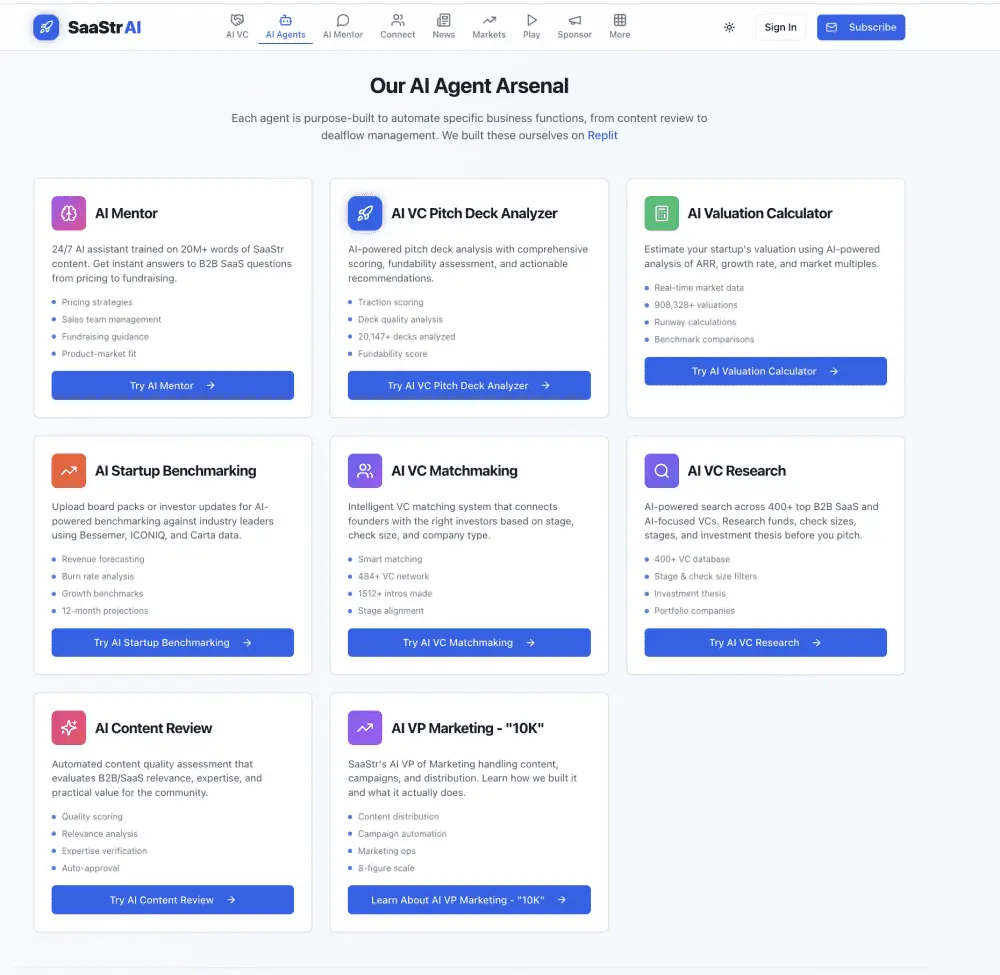
Amelia’s execution of two high-impact internal tools at SaaStr, while the executive was on a strategic sabbatical, underscores the scalable potential of this new capability. Her deployment of an AI-driven VP of Marketing and a comprehensive Sponsor Portal demonstrates how readily accessible generative AI platforms can automate complex operations, reducing reliance on extensive traditional development teams. This directly translates to accelerated venture capital deployment cycles and significant sovereign capital savings by optimizing operational overhead without proportionate headcount increases, a critical consideration for MENA’s state-owned enterprises and sovereign wealth funds seeking efficiency.
However, this rapid adoption also illuminates critical infrastructure challenges. The sustained cognitive intensity and energy drain described highlight the necessity for robust regional support ecosystems—training programs for non-technical staff, specialized AI tooling stacks, and dedicated operational frameworks. Failure to address these factors risks founder and executive burnout, undermining the very productivity gains these tools promise. Moreover, the dependency on advanced AI platforms like Replit and Claude necessitates continued investment in digital infrastructure, data governance, and cybersecurity capabilities, which are paramount for MENA to solidify its position as a tech hub.
Ultimately, the viability of vibe coding as a scalable model hinges on institutionalizing these practices within regional corporations and venture capital strategies. Success hinges on fostering a new cadre of technically adept non-technical builders and investing in the underlying infrastructure that makes such rapid iteration possible. This evolution is not merely an operational efficiency; it represents a strategic imperative for MENA’s long-term competitiveness in attracting and deploying global venture capital while maximizing sovereign resource optimization through intelligent automation.