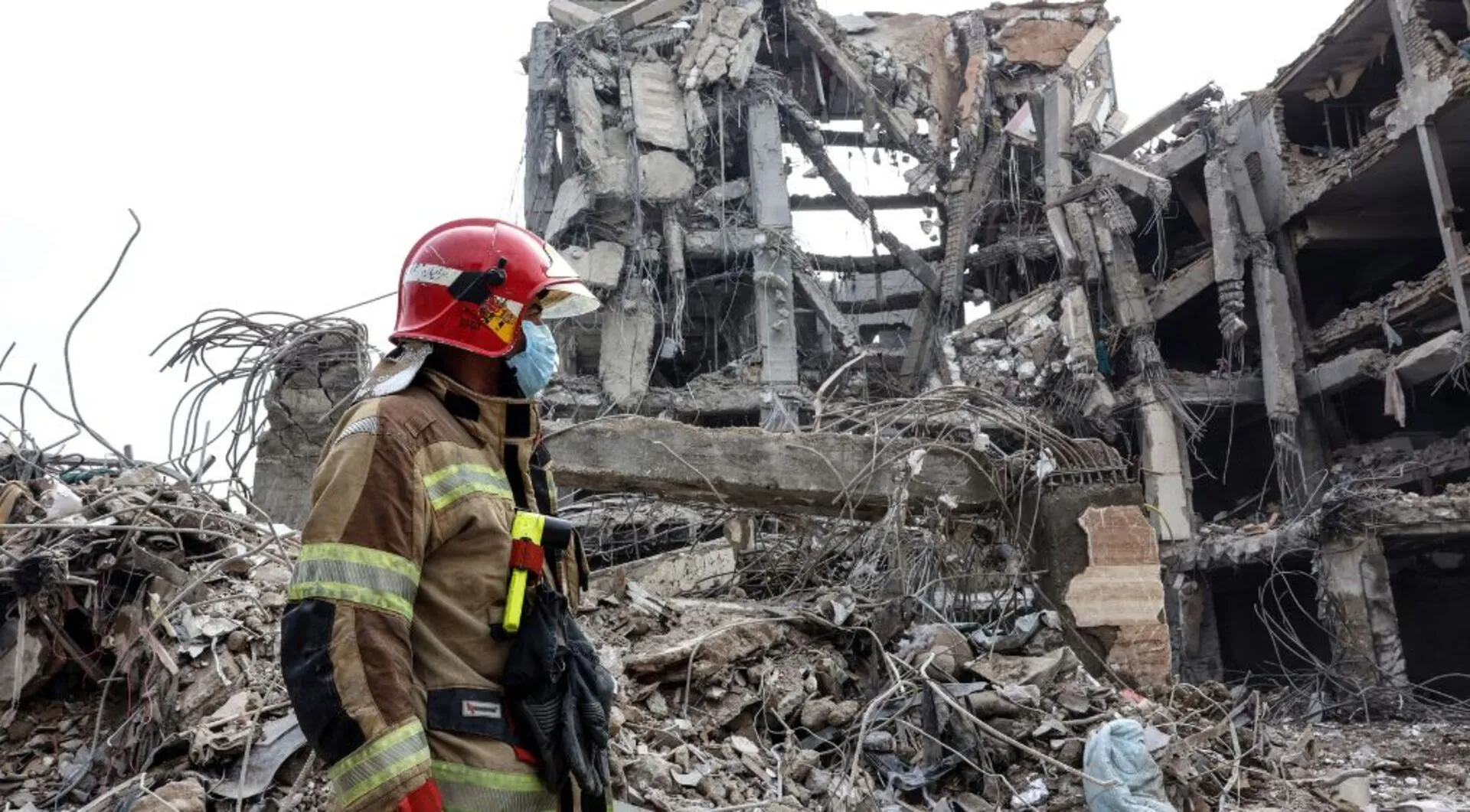

The escalating conflict in the Middle East and North Africa (MENA) region, marked by cross-border strikes targeting civilian infrastructure, presents a substantial and multifaceted challenge to regional stability and economic progress. The indiscriminate targeting of schools, hospitals, and energy facilities, alongside attacks on neighboring nations, carries profound implications for sovereign capital allocation, venture capital deployment, and the development of critical regional infrastructure.
From a business perspective, the conflict is creating significant headwinds. Disruptions to energy supplies, a cornerstone of many MENA economies, are driving up global prices and increasing volatility for energy-dependent industries. Moreover, the heightened security risks are deterring foreign direct investment and hindering cross-border trade, impacting supply chains and economic growth. Sovereign wealth funds across the region face increasing pressure to reassess investment strategies, potentially shifting capital towards more secure markets and impacting funding for local development projects. Simultaneously, the uncertainty is creating a challenging environment for venture capital, with investors becoming more risk-averse and potentially diverting funds away from high-growth sectors in the region.
The long-term consequences for regional infrastructure are equally concerning. Damage to critical energy and transportation networks will necessitate substantial and costly rebuilding efforts, diverting resources from planned expansions and modernization projects. This could significantly delay the realization of ambitious infrastructure programs aimed at fostering connectivity and economic diversification across MENA. Furthermore, the conflict underscores the vulnerability of integrated regional infrastructure projects – such as energy grids and transportation corridors – and necessitates a renewed focus on resilience and security considerations in future development initiatives. The potential for protracted instability could also impede the flow of crucial capital required for these investments, further hindering the region’s development trajectory.