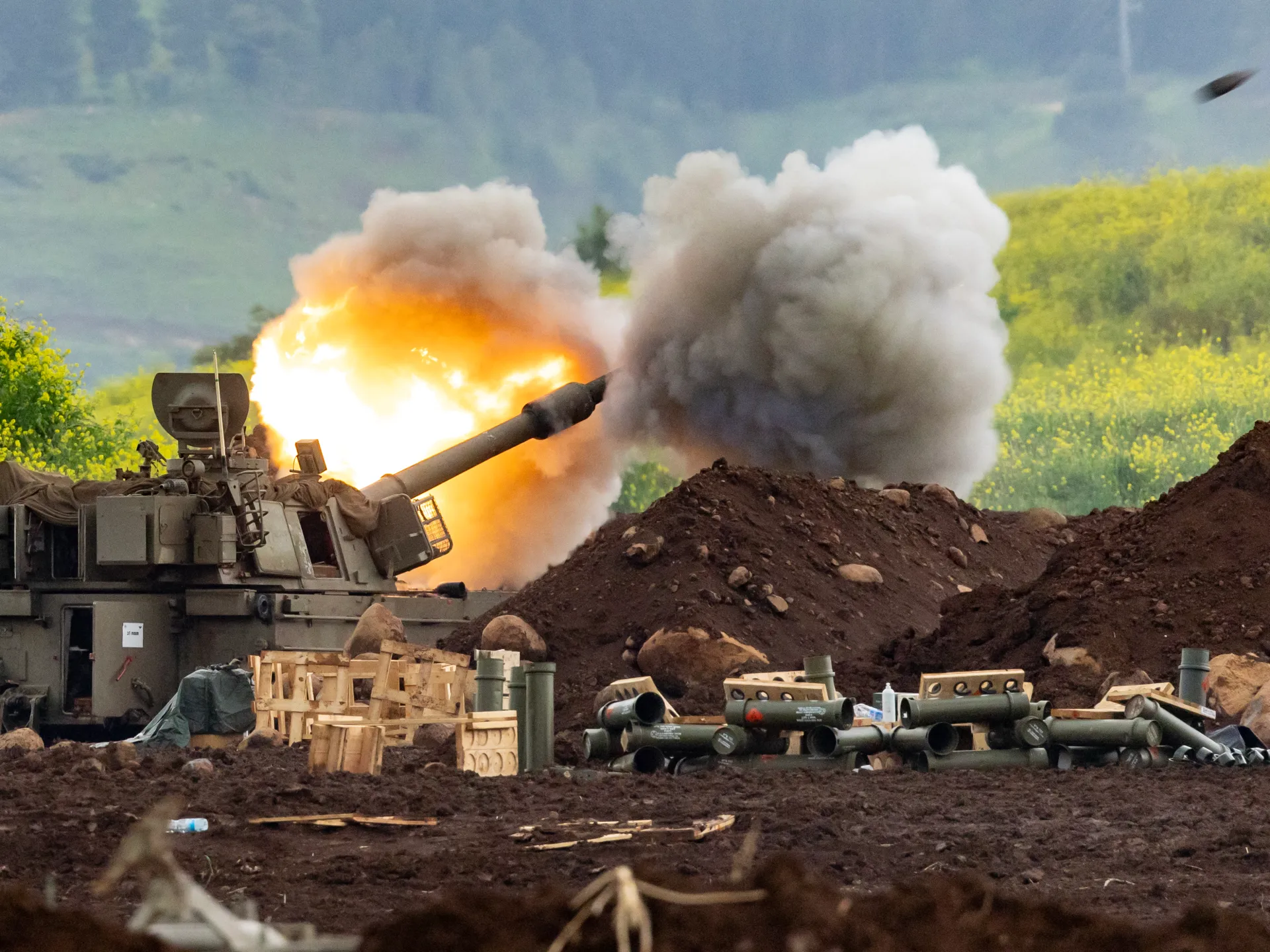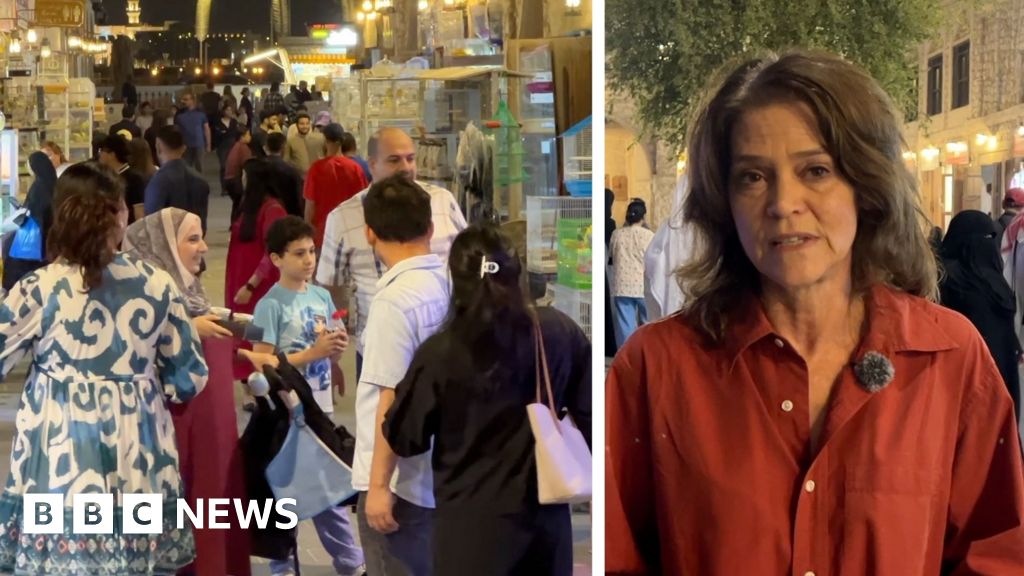

The recent escalation of tensions between Israel, the United States, and Iran has introduced a palpable, albeit currently contained, risk factor into the MENA region’s economic outlook, particularly for Qatar. While direct physical damage to Qatari infrastructure has been minimal due to effective air defense systems, the broader business impact warrants careful assessment. The initial shockwaves, evidenced by the temporary disruption of commercial activity in Doha’s Souq Waqif, underscore the sensitivity of regional markets to geopolitical instability. Beyond Qatar, the reported casualties in neighboring Gulf states highlight the potential for wider economic contagion, impacting trade flows, investor sentiment, and insurance premiums across the region.
The situation presents a complex interplay of sovereign capital deployment and potential shifts in venture capital activity. Qatar’s sovereign wealth fund, the Qatar Investment Authority (QIA), possesses substantial global assets, and its investment strategy will likely be scrutinized for any adjustments reflecting the heightened risk profile. While the QIA’s long-term investment horizon mitigates immediate concerns, a prolonged conflict could lead to a more cautious approach to new commitments, particularly in sectors perceived as vulnerable to regional instability. Simultaneously, venture capital firms operating in the MENA region may reassess their risk-reward calculus, potentially leading to a slowdown in deal flow and a greater emphasis on defensive sectors. The impact on Qatar’s own burgeoning fintech and technology ecosystem, a key priority for diversification, requires particular monitoring.
Crucially, the conflict underscores the importance of regional infrastructure resilience, specifically air defense capabilities. Qatar’s demonstrated ability to intercept incoming projectiles serves as a case study for other nations in the Gulf seeking to bolster their defenses. However, the cost of maintaining and upgrading such systems represents a significant financial burden, diverting resources from other developmental priorities. Furthermore, the reliance on external suppliers for these technologies introduces strategic vulnerabilities. The incident also highlights the potential for disruption to critical infrastructure, including energy pipelines and shipping lanes, which could have far-reaching consequences for global energy markets and regional trade.
Looking ahead, the trajectory of the conflict will be the primary determinant of its long-term economic impact. While Qatar has demonstrated resilience in the face of immediate threats, sustained instability poses a systemic risk to the entire MENA region. Sovereign entities and private investors alike will be closely evaluating the evolving geopolitical landscape, factoring in the potential for further escalation and its implications for economic growth, investment returns, and regional stability. A prolonged period of uncertainty will likely necessitate a recalibration of risk management strategies and a renewed focus on diversification efforts across the region.