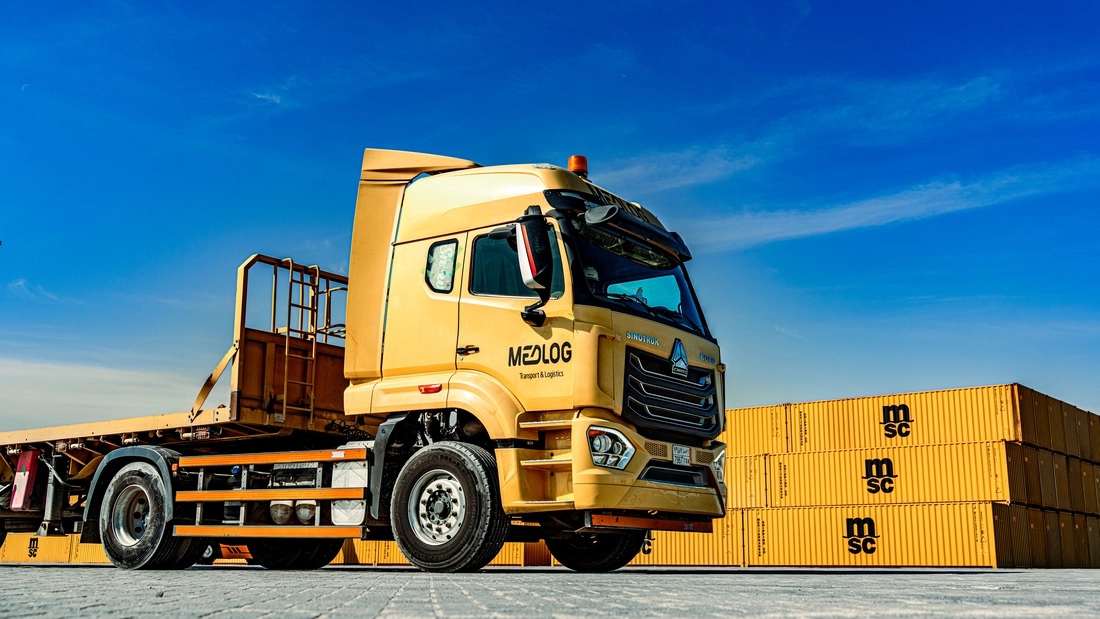

The surge in global electrification is catalysing a strategic opportunity for Middle East and North African trade corridors as Canada doubles down on copper concentrate exports through DP World’s distinctive rotainer-enabled operations in British Columbia. Handling 69,069 tonnes in 2025 and projecting up to eight vessel calls in 2026, this vertical infrastructure exemplifies sovereign capital’s alignment with the green energy pivot. While North America focuses on inland-to-port logistics for critical minerals, the MENA region’s sea lanes and transshipment hubs are primed to absorb higher Asian-bound flows. Proximity to demand centres, well-capitalised port expansions, and sovereign partnerships in the Gulf offer emulation potential—one that could see regional sovereign wealth and venture arms co-fund similar bulk mineral handling technologies to capture market share from global supply chains.
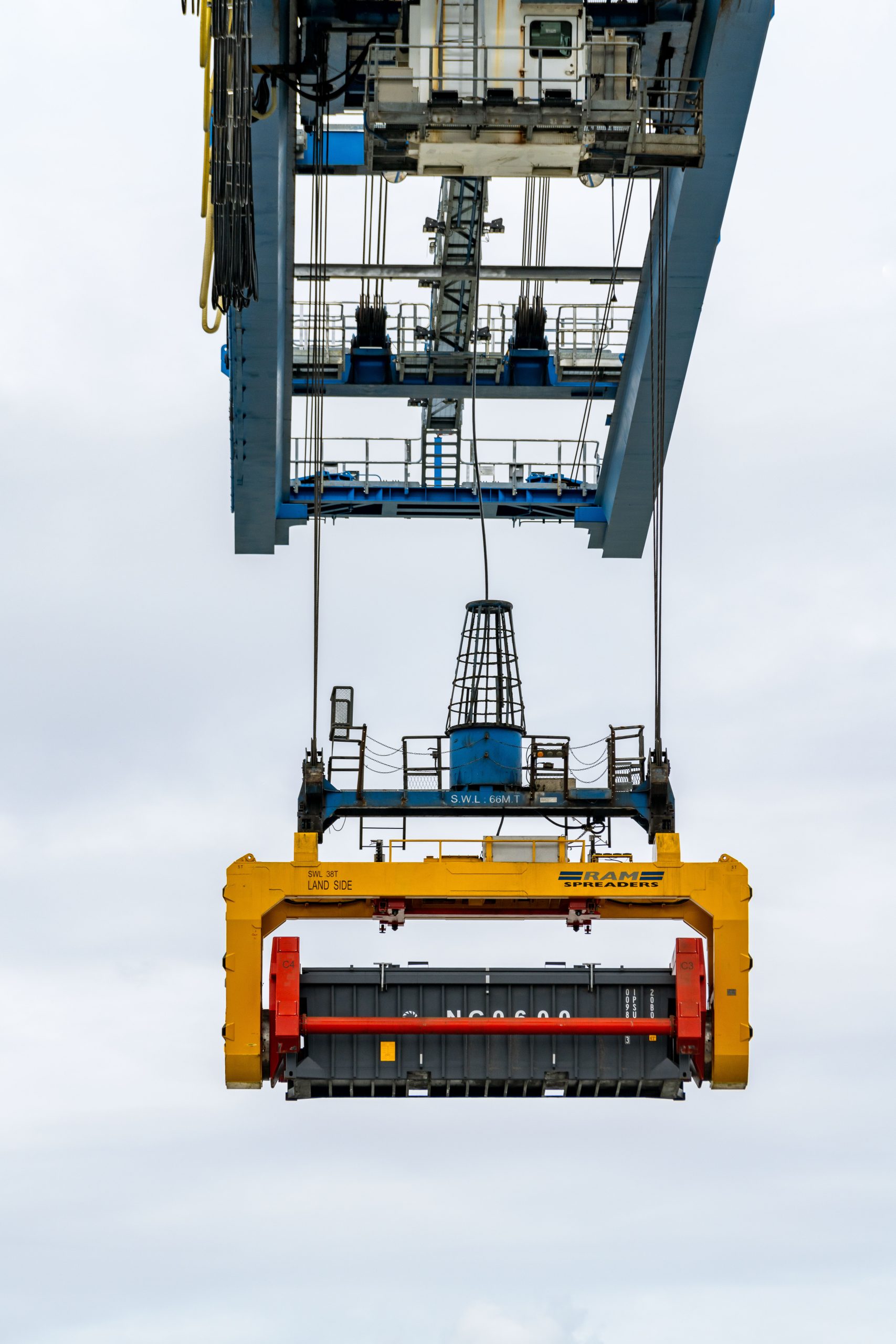
The rotainer innovation—enabling fully enclosed loading, transport, and discharge with minimal loss—reflects precisely the operational upgrade MENA logistics players should prioritise if targeting critical minerals trade. Attracting this cargo means not only infrastructure investment but also forging relationships with Canadian producers, Latin American exporters, and Asian off-takers. The financial and sovereign investment necessary is modest compared to the strategic role such facilities play in positioning regional ports as pivotal product/service nodes in the clean-energy supply chain. UAE, Saudi, and Omani sovereigns might look at replicating or hosting variants of this model to diversify export value, de-risk from hydrocarbons, and service the electric vehicle and renewables manufacturing clusters in South and Southeast Asia.
Long-term regional competitiveness hinges less on raw capacity than on differentiating through environmentally compliant, net-zero loss product flow—attributes embodied by this Canadian operation. MENA capital can capitalise on this innovation by backing early-stage ventures in portside mineral processing, logistics platform integration, and IoT-enabled load monitoring. With Canada’s 514,582 tonnes of annual copper concentrate production serving as a reliable upstream anchor, replicating the rotainer standard across gateway ports like Jebel Ali, Salalah, or Duqm could lock in a first-mover advantage as global demand for clean, traceable mineral shipments intensifies. In an era where electrification defines geopolitical leverage, such moves will transform dormant assets into active strategic infrastructure.