
DP World posted a robust fiscal performance for 2025, recording $24.4 billion in revenue—a 22 % year‑on‑year increase—and adjusted EBITDA of $6.4 billion, reflecting a margin of 26.3 %. Group net profit rose 32.2 % to $1.96 billion, while operating cash flow grew 14 % to $6.3 billion. These gains were driven by higher throughput—93.4 million TEU, up 5.8 %—and an 8.5 % lift in like‑for‑like revenue per TEU across its Ports and Terminals division. The results underscore the resilience of DP World’s integrated logistics platform amid persistent geopolitical and trade volatility, delivering strengthened earnings and cash generation that are increasingly attractive to sovereign investors seeking stable, infrastructure‑linked returns in the MENA region.
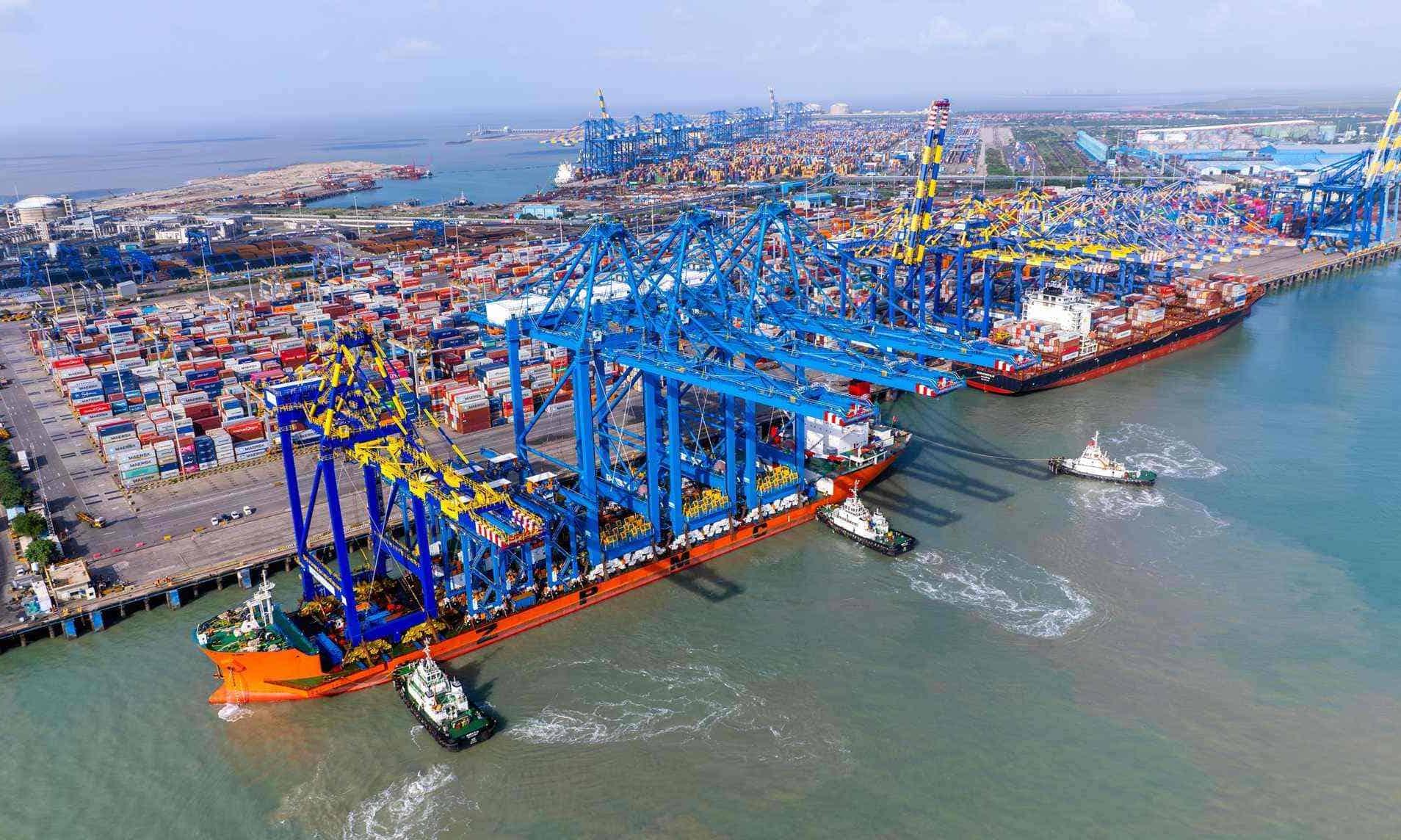
The company’s capital allocation underscores a strategic focus on MENA‑centric growth assets. DP World earmarked $3.1 billion of capex for 2025, expanding capacity at Jebel Ali (UAE) and advancing the Jeddah port project in Saudi Arabia—both pivotal nodes in the Red Sea‑Gateway corridor that sovereign wealth funds and regional development banks are actively financing. For 2026, a $3 billion capex budget will target further upgrades at Jebel Ali, the Drydocks World shipyard, the Tuna Tekra terminal in India, London Gateway, Ndayane in Senegal, and continued expansion of Jeddah’s terminals. This pipeline not only amplifies regional hub capacity but also creates ancillary opportunities for venture‑backed logistic‑tech firms aiming to digitize customs, warehousing, and last‑mile delivery across the Gulf and North Africa.
Financially, DP World’s Return on Capital Employed climbed to 9.9 % from 8.9 % in 2024, reflecting efficient deployment of the expanding asset base amid a disciplined cost regime. The strengthened cash flow profile supports the company’s commitment to sustainability—Scope 1 and Scope 2 emissions fell 14 % versus a 2022 baseline, with two‑thirds of electricity now sourced from renewables—further aligning with the ESG mandates of sovereign investors and regional development agencies. Looking ahead, the continued rollout of multimodal linkages, particularly the rail‑connected economic zones in Chennai, Mumbai and Kochi, and the planned $5 billion additional investment in India’s supply‑chain network, will reinforce MENA’s role as a logistics bridge between Asia, Europe and Africa, driving sustained inflows of both sovereign capital and targeted venture capital into the region’s infrastructure ecosystem.