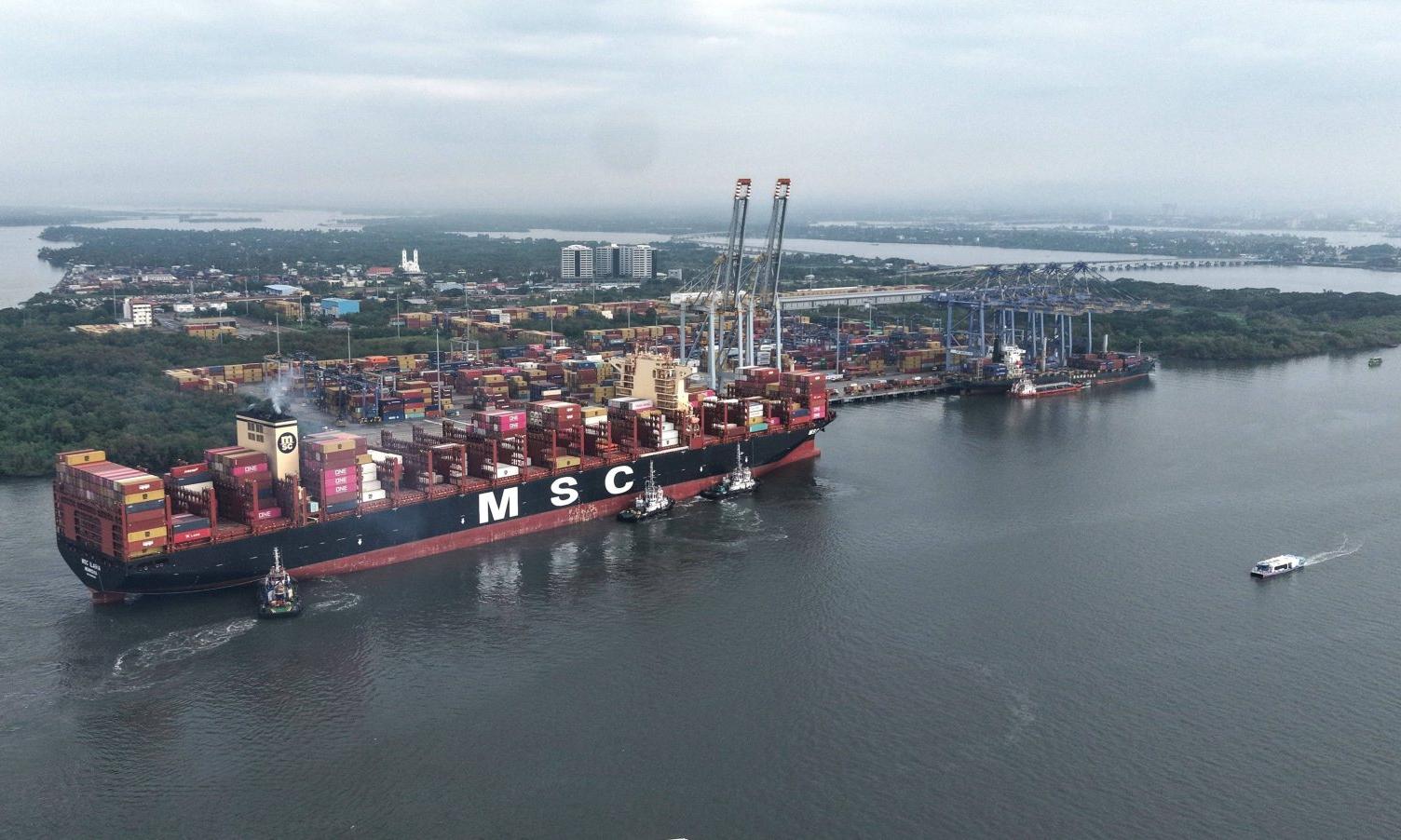

The recent vessel berthing at DP World Cochin represents a pivotal inflection point in the evolving narrative of Middle Eastern and North African maritime trade. This occasion underscores the region’s continued capacity to absorb and accommodate ultra large container vessels, reinforcing its status as a strategic nexus for global commerce. The handling of MSC Ilaria—marketed as one of the largest container ships to dock at the International Container Transshipment Terminal—signals more than a mechanical milestone; it reflects substantial infrastructural advancements and a deliberate alignment with evolving industry standards. These upgrades, including next-generation ship-to-shore cranes and the implementation of electric-powered operations, have amplified the terminal’s capacity to process 1.4 million TEUs annually—a figure that directly enhances supply chain reliability and efficiency across the region.
From a sovereign capital perspective, this event underscores the strategic value of investing in world-class port infrastructure, serving as a catalyst for regional trade growth. For Gulf and Levantine states, the integration of cutting-edge port technology strengthens export competitiveness and attracts foreign direct investment. The ability of DP World Cochin to accommodate vessel sizes previously considered prohibitive highlights the region’s adaptive capacity and its commitment to maintaining high standards in maritime logistics. This achievement cements the position of the Middle East and North Africa as indispensable gateways for maritime flows destined for global markets.
From a venture capital and private equity lens, the milestone reaffirms the importance of forward-looking infrastructure projects in securing long-term returns. As regional governments and global firms redirect capital toward resilient, sustainable, and technologically advanced ports, entities must recognize that success hinges on aligning physical assets with digital transformation agendas. DP World Cochin’s continued leadership positions it at the center of this investment paradigm, where sovereign ambition meets private enterprise execution. The implications extend beyond logistics—this development shapes the economic trajectory of the broader MENA region in an era defined by supply chain resilience and digital integration.