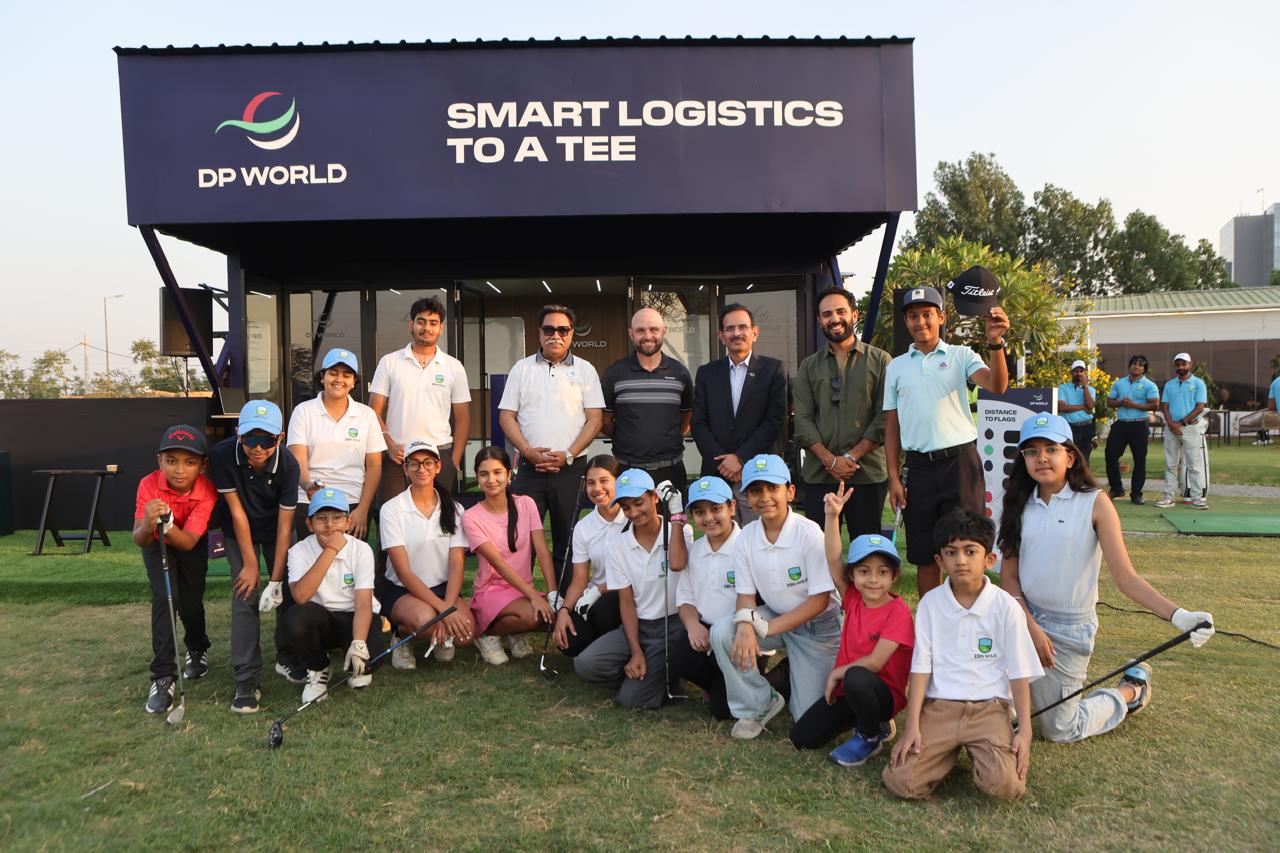

The strategic expansion of DP World’s Clubhouse initiative, exemplified by the recent launch in Gurugram, India, represents a significant, albeit currently localized, investment with far-reaching implications for the broader Middle East and North Africa (MENA) region. While initially framed as a commitment to grassroots golf development, the program’s underlying business rationale – leveraging the company’s global logistics expertise and expanding its stakeholder engagement – underscores a calculated approach to market penetration and brand elevation. The replication of the Cape Town model, utilizing repurposed shipping containers, demonstrates a fiscally responsible and adaptable strategy, particularly relevant given the ongoing economic pressures impacting many MENA nations.
The immediate impact within India is noteworthy, aligning with the country’s burgeoning golf market and the increasing focus on youth participation. However, the long-term business impact extends beyond mere brand visibility. Sovereign wealth funds and regional investment arms are increasingly scrutinizing opportunities within the sports sector, recognizing its potential for both tourism revenue and social development. DP World’s model could serve as a template for similar initiatives – particularly those focused on infrastructure development – across the MENA corridor, potentially attracting further sovereign capital investment into related projects. Furthermore, the program’s connection to major global golf events, including the DP World Tour and Ryder Cup, provides a valuable platform for showcasing the company’s international presence and solidifying its brand within key markets.
Venture capital activity within the MENA region’s sports and leisure sectors is currently subdued, largely due to macroeconomic headwinds. However, the DP World initiative presents a compelling case study for attracting targeted investment. The modular, container-based design – utilizing readily available logistics assets – reduces capital expenditure and accelerates deployment. This approach could stimulate interest from regional venture capital firms focused on ‘impact investing’ and sustainable infrastructure, particularly those aligned with the growing emphasis on community development. Successful replication in other MENA countries, such as Saudi Arabia and the UAE, could catalyze a broader wave of investment in similar grassroots programs, fostering local talent and diversifying leisure offerings.
Finally, the program’s success hinges on the continued development of regional infrastructure. The Zen Golf Range & Academy partnership highlights the critical need for dedicated training facilities and accessible sporting environments. MENA nations, particularly those pursuing ambitious diversification strategies, must prioritize investments in sports infrastructure to support the growth of activities like golf. DP World’s commitment, coupled with strategic government support and private sector engagement, could accelerate this process, creating a virtuous cycle of investment, talent development, and ultimately, enhanced regional competitiveness. The program’s future expansion will undoubtedly be closely monitored by investors and policymakers alike, serving as a barometer for the broader trajectory of sports-related investment across the region.