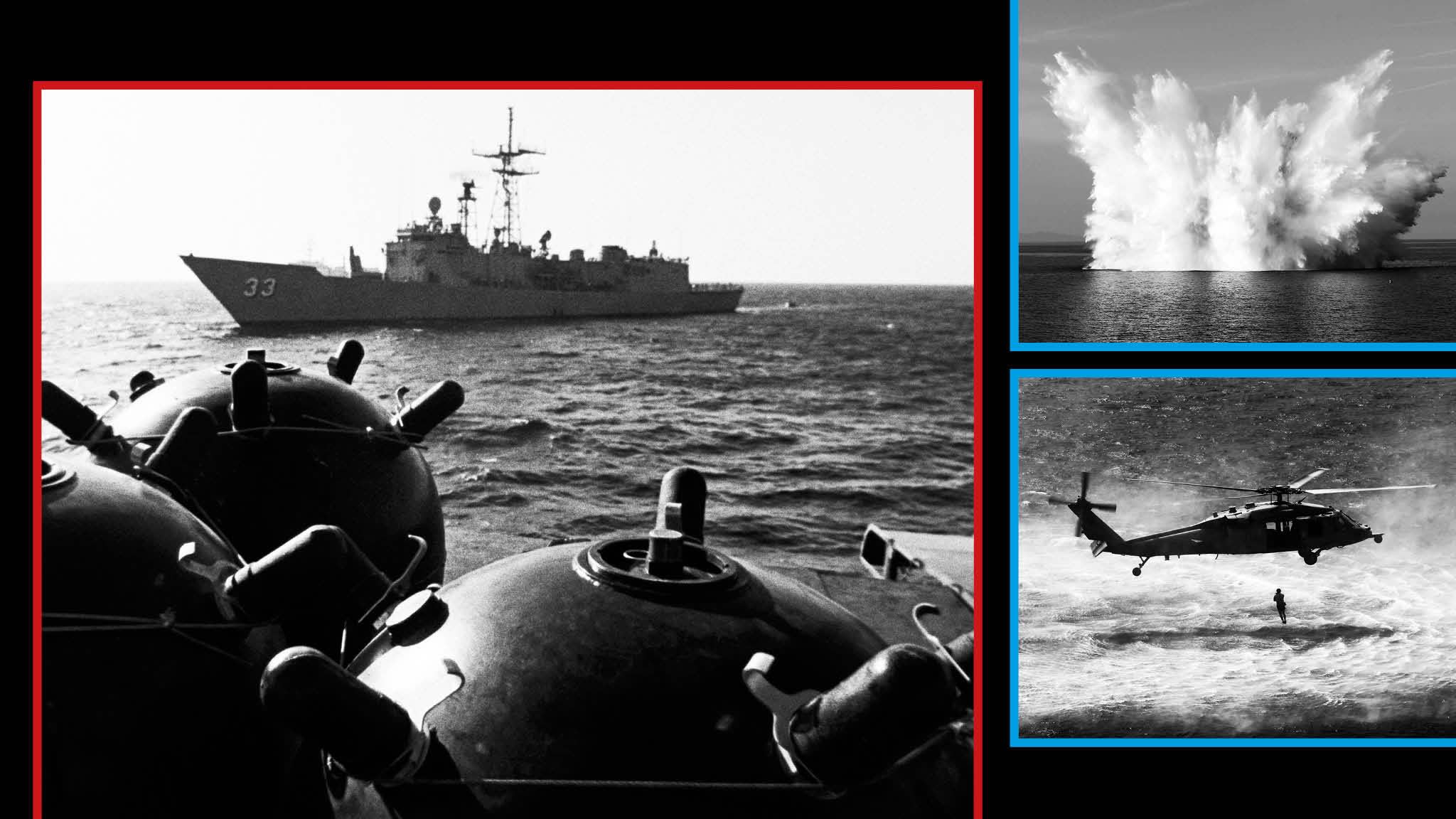
DP World’s confirmation of full operational capacity at Jebel Ali port, while a positive signal, underscores the profound vulnerability of the Middle East and North Africa (MENA) region’s trade infrastructure to geopolitical instability. The ongoing conflict between Iran and Israel has demonstrably disrupted maritime traffic through the Strait of Hormuz, a chokepoint critical to global energy supply and regional economic activity. This disruption presents immediate business impacts, including increased shipping costs, rerouting expenses, and potential delays impacting supply chains reliant on MENA ports.
The situation highlights the strategic importance of sovereign capital investment in diversifying regional logistics networks. Reliance on the Hormuz route concentrates risk and exposes economies heavily reliant on hydrocarbon exports to significant disruption. Regional governments are now facing increased pressure to accelerate investments in alternative trade routes, including bolstering port infrastructure along the Red Sea and Indian Ocean coasts. This necessitates not only port expansion and modernization but also investment in supporting industries like warehousing, transportation, and customs facilitation – a significant opportunity for private sector engagement and infrastructure development.
The conflict has also created volatility in venture capital flows targeting logistics and technology solutions within the MENA region. While certain sectors might initially experience increased demand for crisis management and alternative route planning technologies, overall investment sentiment is likely to be cautious. Investors will prioritize projects demonstrating resilience and adaptability to geopolitical risk, potentially favoring companies focused on inland logistics, digital supply chain solutions, and alternative energy infrastructure. The long-term impact hinges on the duration and escalation of the conflict, requiring a nuanced assessment of risk and return for venture capital deployments.
The long-term implications for regional infrastructure are considerable. Beyond immediate logistical adjustments, the crisis underscores the urgent need for enhanced regional cooperation on maritime security and infrastructure development. A coordinated approach to securing alternative trade routes, sharing intelligence, and harmonizing regulatory frameworks will be essential for mitigating future disruptions. Sovereign wealth funds and multilateral development banks will play a vital role in financing these initiatives, ensuring the robustness and resilience of the MENA region’s critical trade arteries in an increasingly volatile global landscape.