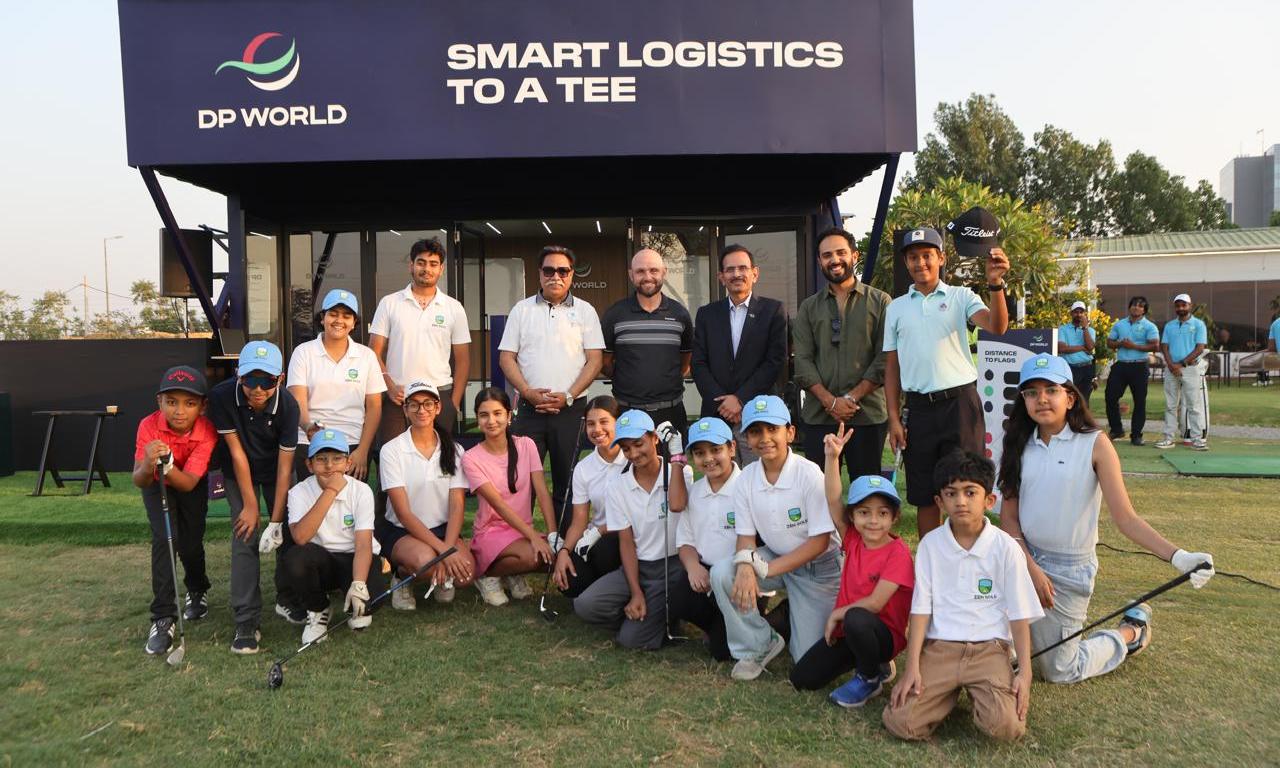

DP World’s shipping container-based clubhouse in India exemplifies the strategic pivot by MENA sovereign wealth-backed entities toward social infrastructure as an instrument of economic diplomacy and market penetration. This initiative represents more than mere corporate social responsibility; it’s a calculated deployment of the Emirates’ logistical prowess into a high-growth vertical where Dubai’s vision of becoming a global sports hub requires deep-rooted community infrastructure. The adaptation of repurposed containers to local needs underscores how regional entities are leveraging their core competencies to create differentiated market entry strategies in emerging economies.
The allocation of capital to such initiatives by MENA sovereign funds reflects a sophisticated recalibration of investment philosophy beyond traditional oil-driven paradigms. As Gulf states diversify away from hydrocarbon dependency, infrastructure projects like this clubhouse serve dual purposes: they demonstrate sustainable application of logistical expertise while cultivating soft power through youth development programs. For India’s increasingly affluent demographic, particularly its growing middle class with disposable income for recreational activities, this represents MENA capital’s strategic positioning to capture emerging consumption trends before they fully mature, creating first-mover advantages in the region’s nascent sports economy.
From a venture capital perspective, DP World’s infrastructure investment catalyzes ecosystem development that will inevitably attract private capital to India’s sports sector. The convergence of logistics innovation with community-focused facilities creates a blueprint for scalable, tech-enabled sports infrastructure models that present compelling investment opportunities for regional VC funds. This aligns with broader MENA investment strategies targeting India’s digital economy and service sectors, where sports represents a rapidly growing vertical awaiting institutional consolidation and specialized technological integration.
Regionally, this initiative highlights a strategic alignment between Dubai’s ambitions as a global logistics hub and its soft power objectives. As MENA nations leverage their infrastructure capabilities to project influence in key markets, the adaptation and customization of standardized solutions to local contexts becomes increasingly important. The shipping container model, pioneered in Gulf ports and now repurposed for community use, symbolizes the region’s ability to turn logistical innovation into cultural capital—a strategy that will likely extend beyond sports to education, healthcare, and knowledge transfer across emerging markets.