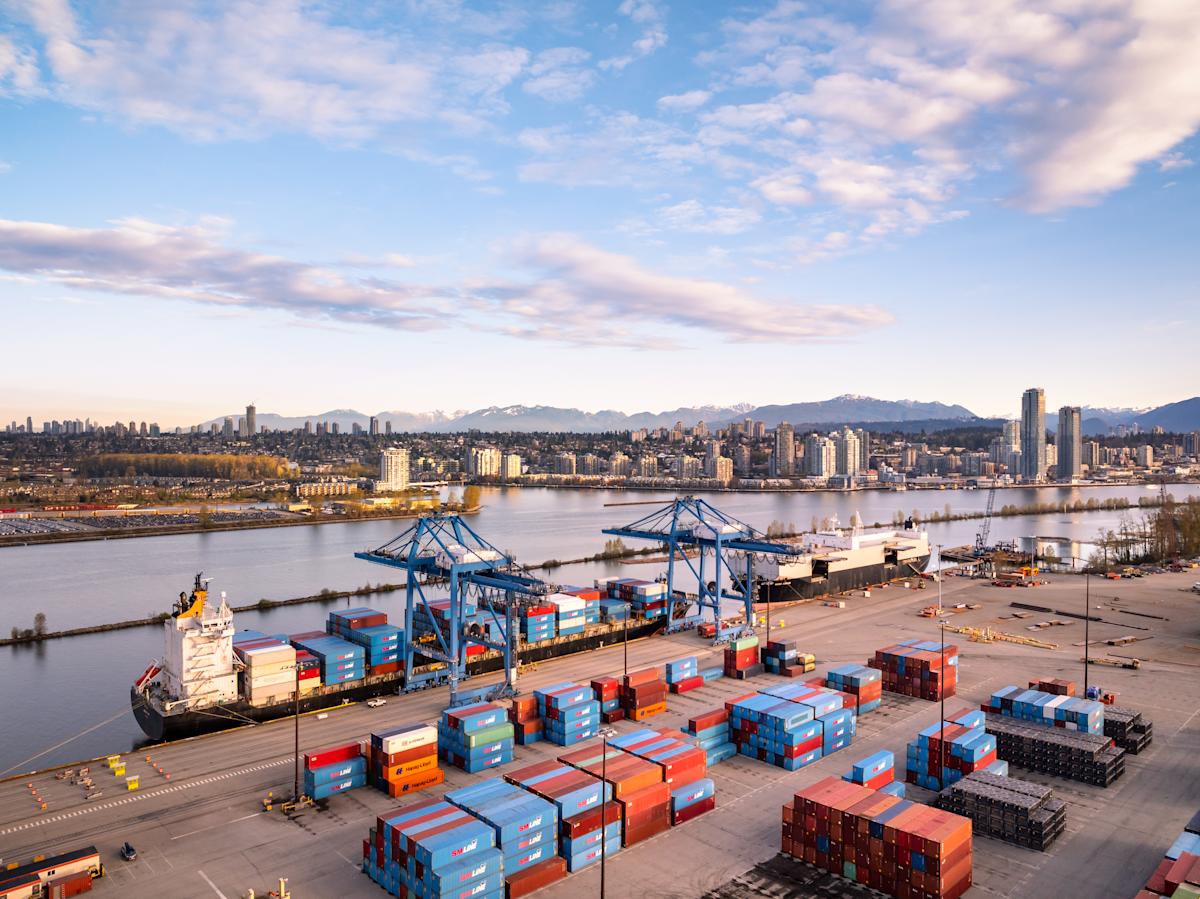

DP World’s Fraser‑Surrey terminal – the largest multipurpose marine hub on North America’s West Coast – has now transferred roughly 15,000 tonnes of steel for Canada’s flagship bridge, tunnel and energy schemes. The operation, underpinned by six deep‑sea berths, heavy‑lift cranes and integrated rail‑road links, demonstrates how a single logistics platform can de‑risk megaproject delivery. For sovereign investors and venture capital funds eyeing the MENA region, the model offers a blueprint for monetising infrastructure‑adjacent logistics assets that can be replicated in fast‑growing Gulf ports such as Jebel Ali or the Red Sea corridor, where government‑backed financing seeks to attract private‑sector expertise.
From a capital‑allocation perspective, the Fraser‑Surrey case validates the strategic merit of sovereign wealth funds (SWFs) committing capital to terminal upgrades and multimodal hinterland connections. The efficient vessel‑to‑barge transfers and on‑site lay‑down capacities have reduced lead‑times for critical components by up to 30 percent, translating into lower financing costs for project sponsors. MENA sovereign investors, already accustomed to large‑scale transport projects, can leverage similar heavy‑lift capabilities to accelerate the roll‑out of Belt‑and‑Road‑type initiatives across the Arabian Peninsula, thereby enhancing the risk‑adjusted returns of their infrastructure portfolios.
Venture capital ecosystems in the region stand to gain from the spill‑over effects of such logistics hubs. The need for real‑time cargo tracking, predictive maintenance of lift equipment and AI‑driven yard optimisation creates a fertile market for prop‑tech and supply‑chain start‑ups. Early‑stage financing into platforms that integrate terminal operating systems with blockchain‑based trade finance could capture a share of the $12‑billion logistics spend projected for the GCC by 2030, while also delivering the digital transformation that sovereign fund managers increasingly demand.
Strategically, the Fraser‑Surrey operation underscores the importance of aligning port development with national infrastructure agendas. Canada’s “Look West” policy, which couples expanded trade capacity with job creation, mirrors the Gulf Cooperation Council’s vision of diversified economies anchored by resilient logistics networks. Replicating DP World’s end‑to‑end service model – from deep‑sea berths through to rail‑linked distribution centres – could empower MENA governments to attract both sovereign and private capital, bolster regional trade corridors, and cement the Middle East’s role as a pivotal node in the global supply chain.