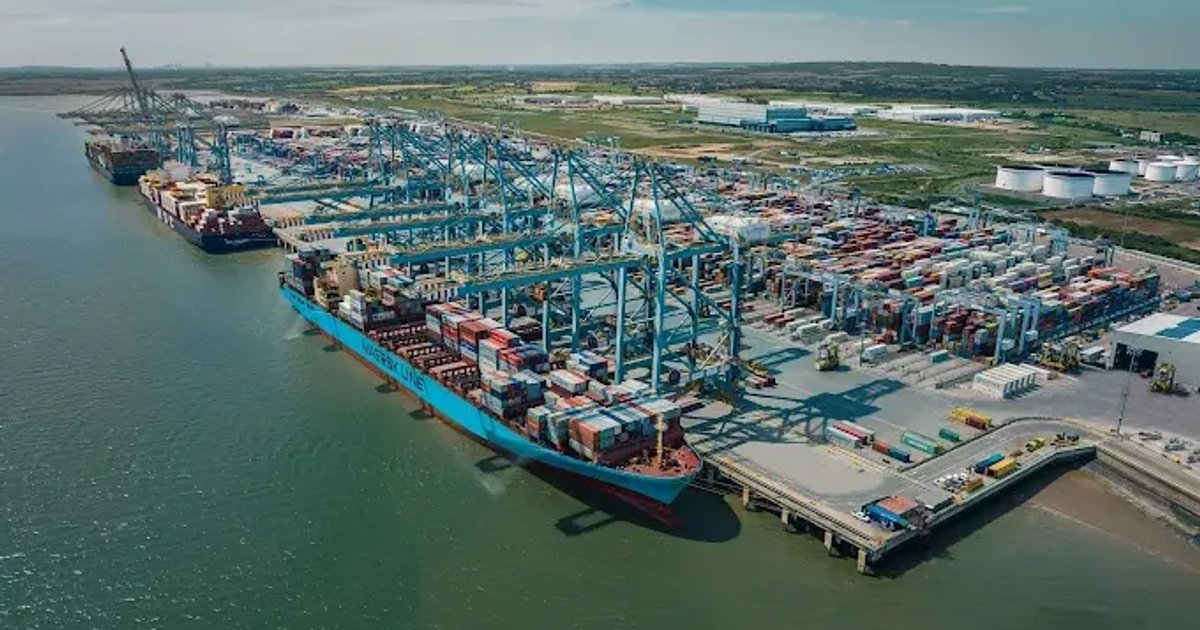

The escalating conflict in the Strait of Hormuz is catalyzing a strategic reconfiguration of global maritime trade routes, with profound implications for the Middle East’s logistics infrastructure. DP World’s operational maneuvers amid this crisis underscore the vulnerability of the UAE’s port ecosystem, which remains critically dependent on the 21-nautical-mile chokepoint. While Jebel Ali maintains essential functionality, the port’s inbound vessel traffic decline highlights the immediate economic friction costs. This disruption arrives at a pivotal moment when regional sovereigns are accelerating their economic diversification agendas, with port capacity constraints potentially derailing broader industrial and free zone development strategies.
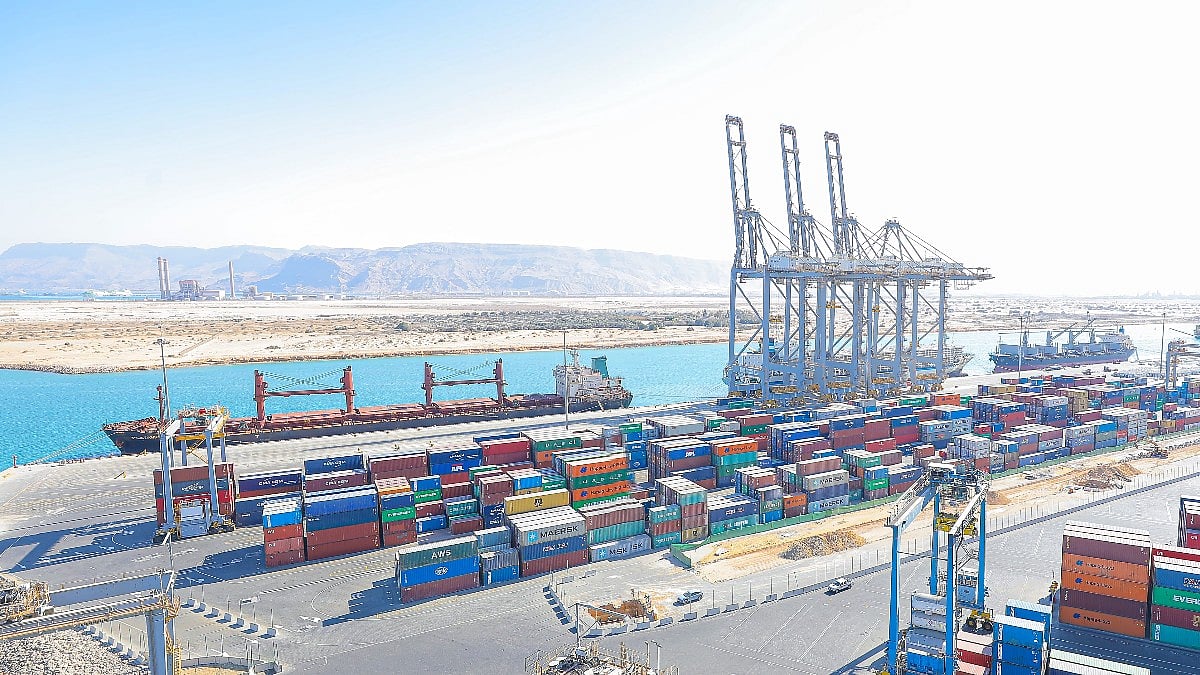
Red Sea ports present a compelling alternative axis for maritime rerouting, with Jeddah and Sokhna ports positioned to capture incremental trade flows previously destined for the Gulf. However, this shift carries significant infrastructure implications. Saudi Arabia and Egypt must rapidly scale port modernization programs, enhance hinterland connectivity, and upgrade customs systems to handle potential volume surges. The opportunity for sovereign wealth funds to deploy patient capital in port expansion projects has never been more acute. For Red Sea ports to absorb meaningful Gulf port share, they require immediate investment in berths, dredging, and digital port management systems. Without such capital allocation, the region risks creating a bifurcated trade network with persistent bottlenecks.
Across the broader MENA region, this crisis may influence the competitive positioning of other maritime corridors, such as Egypt’s Suez Canal and alternative Arab ports, as global supply chains seek greater routing flexibility. Venture capital, though nascent in traditional port infrastructure, could find new impetus for digital logistics platforms, AI-driven vessel tracking, and risk analytics. Long-term, regional economic zones in Egypt, Saudi Arabia, and Oman may recalibrate their master plans to de-risk against future geopolitical disruptions. Investors tracking MENA sovereign projects will be keenly attuned to whether governments leverage this crisis to front-load infrastructure commitments and accelerate trade corridor development—a decisive moment for the region’s economic sovereignty and integration ambitions.