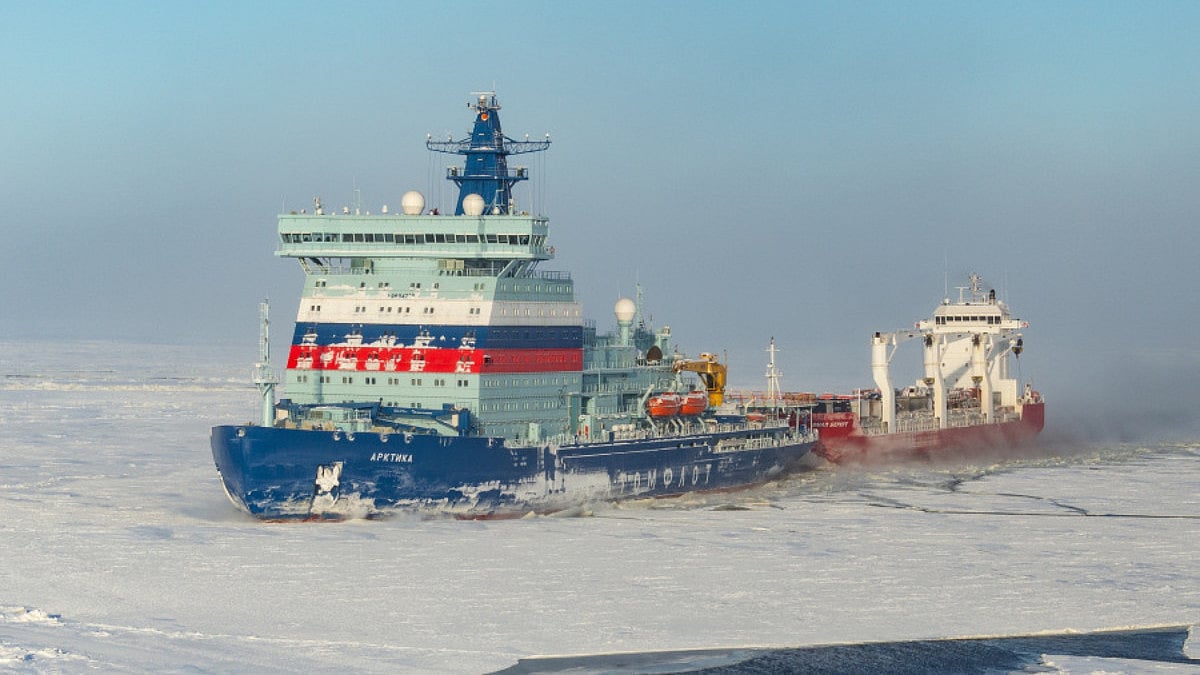

The strategic partnership between Rosatom and DP World represents a significant deployment of Emirati sovereign capital into Eurasian logistics infrastructure, aligning with Abu Dhabi and Dubai’s broader strategy to cement their roles as indispensable global trade arbiters. For DP World, a flagship of Dubai World, the deal provides a direct conduit into Russia’s Arctic shipping ambitions, effectively extending its sovereign-backed global port network into a high-potential, politically complex corridor. This move underscores how Gulf sovereign wealth entities and state-linked conglomerates are leveraging their balance sheets to acquire strategic assets and partnerships beyond traditional Western spheres, diversifying geopolitical risk while securing future cargo volumes.
From a venture capital and private equity perspective, this transaction signals a maturation of MENA infrastructure investment theses, moving beyond trophy asset acquisitions in Europe and Asia toward embedding regional operators in niche, geopolitically sensitive logistics chains. The deal’s viability, pending Russian regulatory approval, highlights the continued appetite of MENA capital for complex, long-term infrastructure plays where return profiles are underpinned by state-backed cargo guarantees, such as those associated with the Northern Sea Route. This precedent may catalyze further co-investment between MENA infrastructure funds and entities from non-aligned states, particularly in energy and transport corridors that bypass traditional Western financial and logistical frameworks.
The regional infrastructure implications for the Middle East and North Africa are profound. By integrating DP World’s operational expertise and its existing network spanning Jebel Ali, Jeddah, and other key Red Sea and Mediterranean hubs, Rosatom gains a credible partner to develop end-to-end supply chain solutions. This could indirectly strengthen the competitiveness of MENA-led initiatives like the Saudi Red Sea Gateway Project and Egypt’s Suez Canal Economic Zone, as the Russia-Asia Arctic route develops as a complementary—and in winter months, potentially essential—alternative to Suez-dependent flows. The deal thus frames Gulf infrastructure players not merely as terminal operators, but as orchestrators of alternative global connectivity architectures, a role that will increasingly draw scrutiny from Western policymakers and present both opportunity and risk for regional capital.