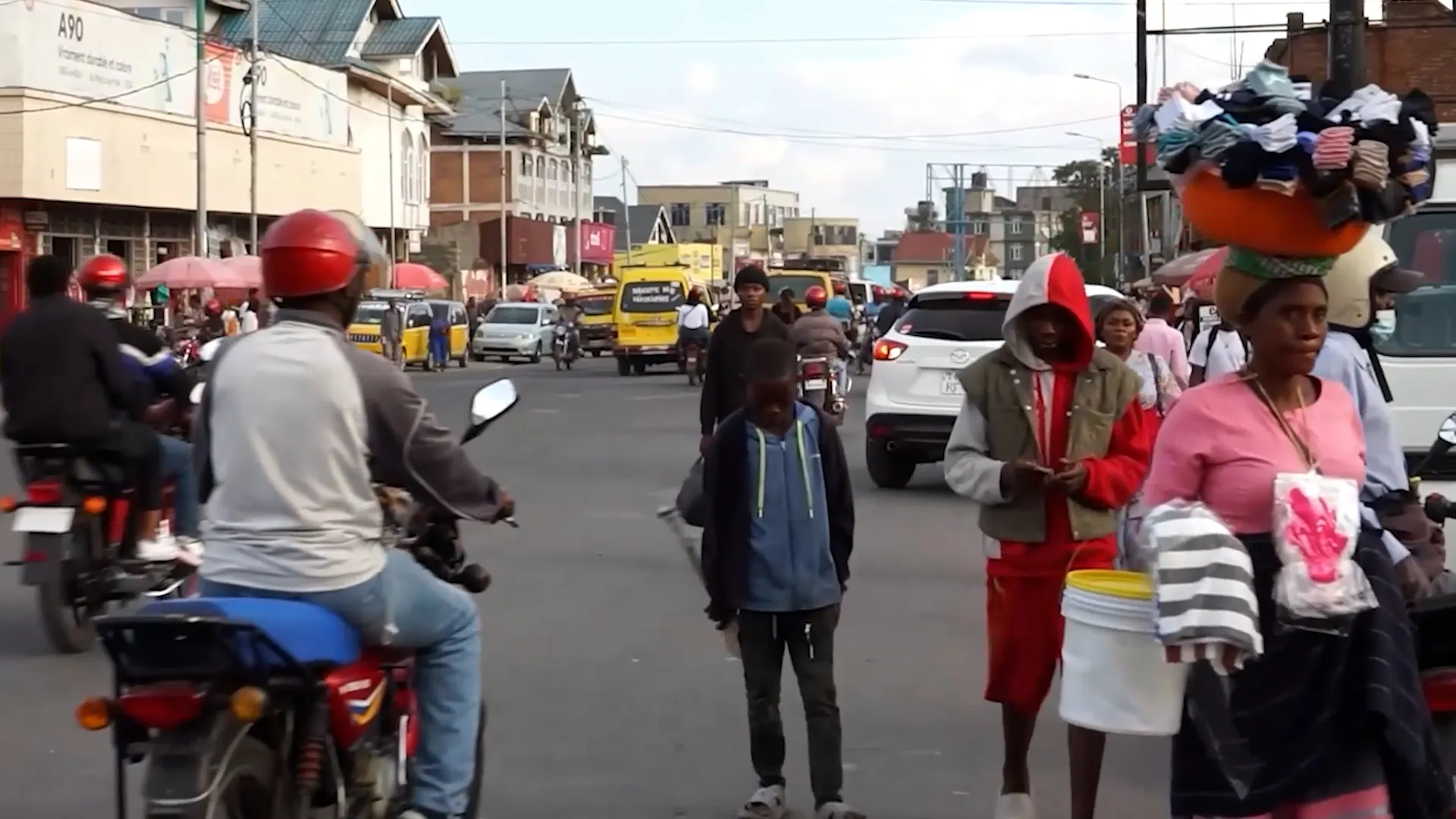

The recent agreement between the United States and the Democratic Republic of Congo to deport “third-country” migrants presents a complex challenge with significant ramifications for regional stability and economic development. While ostensibly aimed at addressing concerns about irregular migration flows, the deal’s implementation carries substantial risks and underscores the broader vulnerabilities within the Central African nation. This move, predictably, has generated localized dissent, highlighting the difficult socio-economic conditions already prevalent in the DRC and the potential for increased instability fueled by displacement and resentment.
From a business perspective, the influx of deportees, estimated to be in the thousands, will place considerable strain on already limited resources in the DRC. This includes infrastructure – particularly housing, sanitation, and healthcare – which are chronically underfunded. The impact on local businesses, particularly in urban centers like Kinshasa, is likely to be negative, potentially exacerbating existing unemployment rates. More critically, the situation necessitates a coordinated response from sovereign capital investors. Funds focused on infrastructure and social development will need to reassess their strategies, potentially diverting capital from long-term projects to address immediate humanitarian needs. Furthermore, the DRC’s ability to attract foreign direct investment will be hampered by perceptions of instability and the logistical burden of managing a large-scale migration event.
Venture capital activity in the DRC, currently focused on sectors like fintech and renewable energy, is also likely to be affected. While the DRC possesses considerable untapped potential, the current environment of uncertainty and increased operational costs will undoubtedly dampen enthusiasm. Regional venture capital funds, particularly those with a mandate for impact investing, will face difficult choices regarding risk assessment and portfolio diversification. The focus will shift towards supporting initiatives that bolster resilience and provide essential services to displaced populations, rather than pursuing high-growth, high-risk ventures. The long-term implications for the DRC’s digital economy are particularly concerning, as access to technology and digital literacy could be further compromised by the influx of migrants.
Ultimately, the DRC’s experience highlights the urgent need for a broader regional strategy to address irregular migration and promote sustainable development. Neighboring countries, including those in Central Africa and beyond, must collaborate to establish robust border management systems and invest in economic opportunities that reduce the drivers of migration. Increased investment in regional infrastructure – transportation networks, communication systems, and energy grids – is paramount. Moreover, the international community needs to recognize the root causes of instability in the DRC, including corruption, weak governance, and conflict, and provide targeted assistance to support long-term peacebuilding and economic reform. Without a holistic approach, the “third-country” deportation deal risks becoming a short-term fix that exacerbates existing challenges and undermines the DRC’s prospects for sustained prosperity.