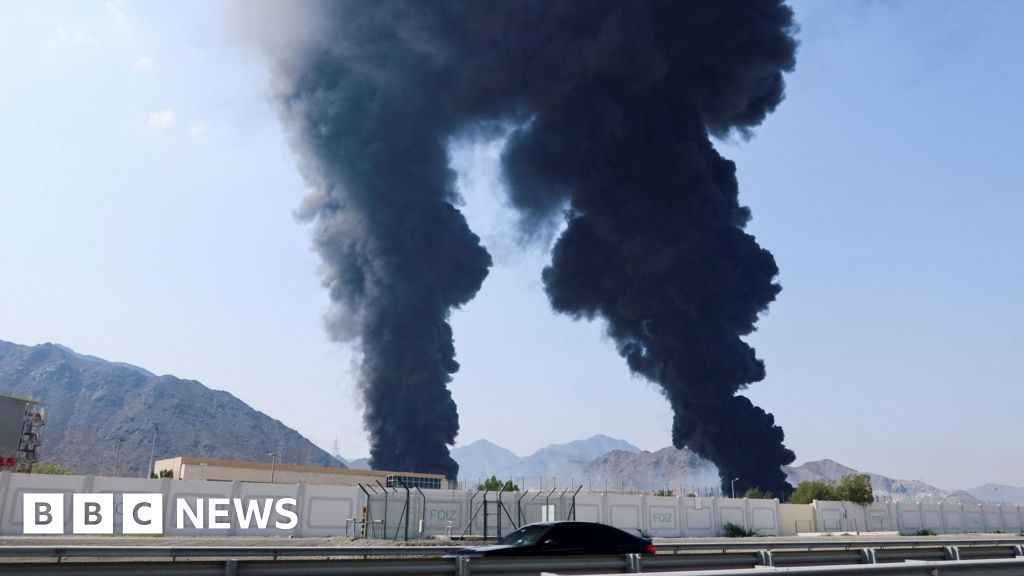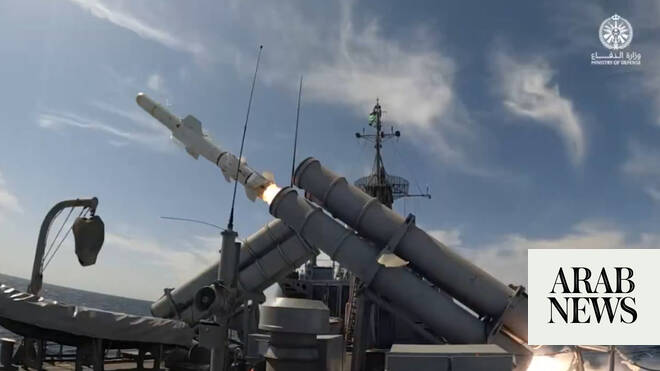

Escalating drone and missile attacks originating from Iran pose a significant and multifaceted threat to the economic stability and strategic investment landscape of the Middle East and North Africa (MENA) region. Recent coordinated strikes targeting Saudi Arabia, Bahrain, Kuwait, and the UAE, including direct impacts on critical infrastructure such as Kuwait’s international airport radar system and reported threats against UAE port assets, represent a marked intensification of regional tensions. The scale of interceptions – with Bahrain reporting the neutralization of 125 missiles and 203 drones, and the UAE engaging hundreds of projectiles – underscores the growing sophistication and volume of these attacks, demanding a reassessment of existing defense strategies and their associated costs.
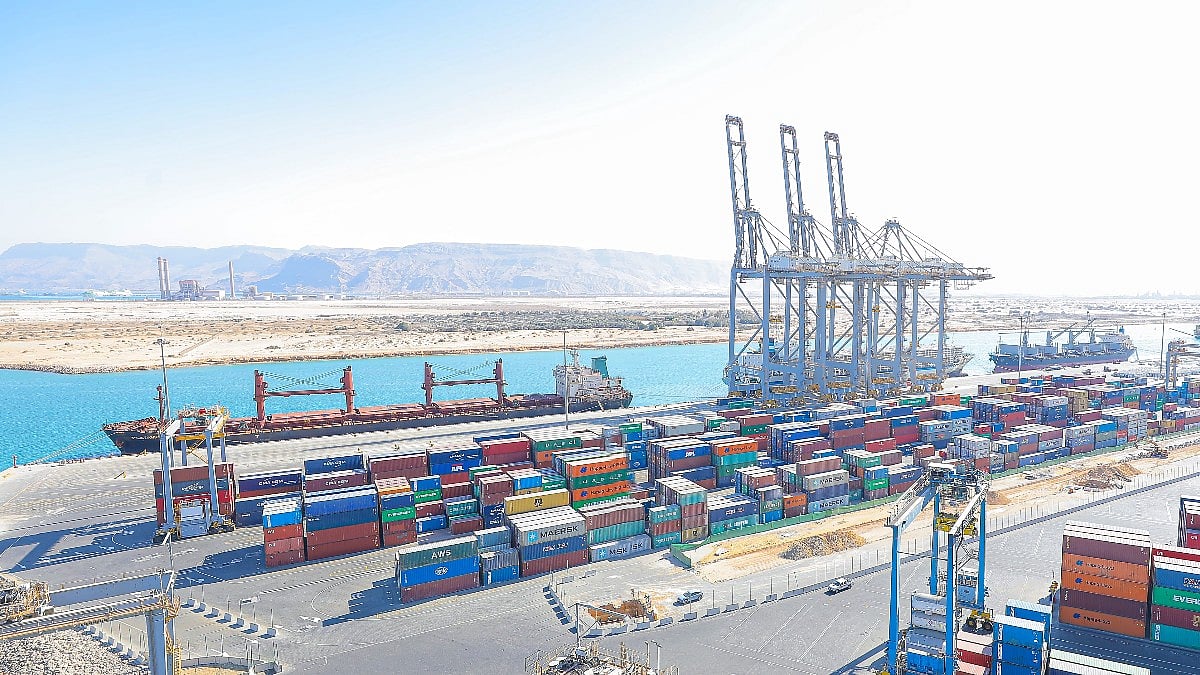
The business impact is already being felt. Flight disruptions in Kuwait, coupled with the broader regional uncertainty, are likely to negatively affect trade flows and supply chain resilience. The direct targeting of port infrastructure in the UAE, alongside Iranian calls for asset evacuations, introduces substantial risk premiums for foreign direct investment (FDI) and maritime commerce. Sovereign wealth funds (SWFs) across the region, notably those in Saudi Arabia (PIF) and Abu Dhabi (ADIA), will likely face increased scrutiny regarding their exposure to sectors vulnerable to disruption, potentially leading to a shift in investment priorities towards more defensive assets and a greater emphasis on domestic resilience. Furthermore, the escalating security concerns could deter planned expansions in sectors like tourism and logistics, which are vital for economic diversification efforts.
The response to these attacks will necessitate significant capital expenditure on enhanced air defense systems and cybersecurity infrastructure. We anticipate a surge in demand for advanced missile defense technologies, creating opportunities for Western defense contractors but also placing a strain on regional budgets. Sovereign capital will be crucial in financing these upgrades, potentially diverting funds from other development projects. Simultaneously, the increased risk profile may impact the flow of venture capital into the region, particularly for startups operating in sectors deemed vulnerable. However, the crisis could also spur innovation in areas such as drone detection and countermeasure technologies, attracting specialized VC investment. The long-term implications for regional infrastructure development are considerable, requiring a more robust and decentralized approach to critical assets to mitigate future vulnerabilities.
Ultimately, the current situation highlights the fragility of the MENA region’s economic progress and underscores the need for proactive diplomatic engagement to de-escalate tensions. The sustained nature of these attacks, coupled with the evolving tactics employed, suggests a protracted period of instability. Regional governments will need to balance the imperative of safeguarding their populations and infrastructure with the need to maintain investor confidence and attract the capital necessary to achieve their ambitious economic diversification goals. The effectiveness of regional defense capabilities, alongside the response of international partners, will be a key determinant in shaping the future trajectory of investment and economic growth across the MENA region.