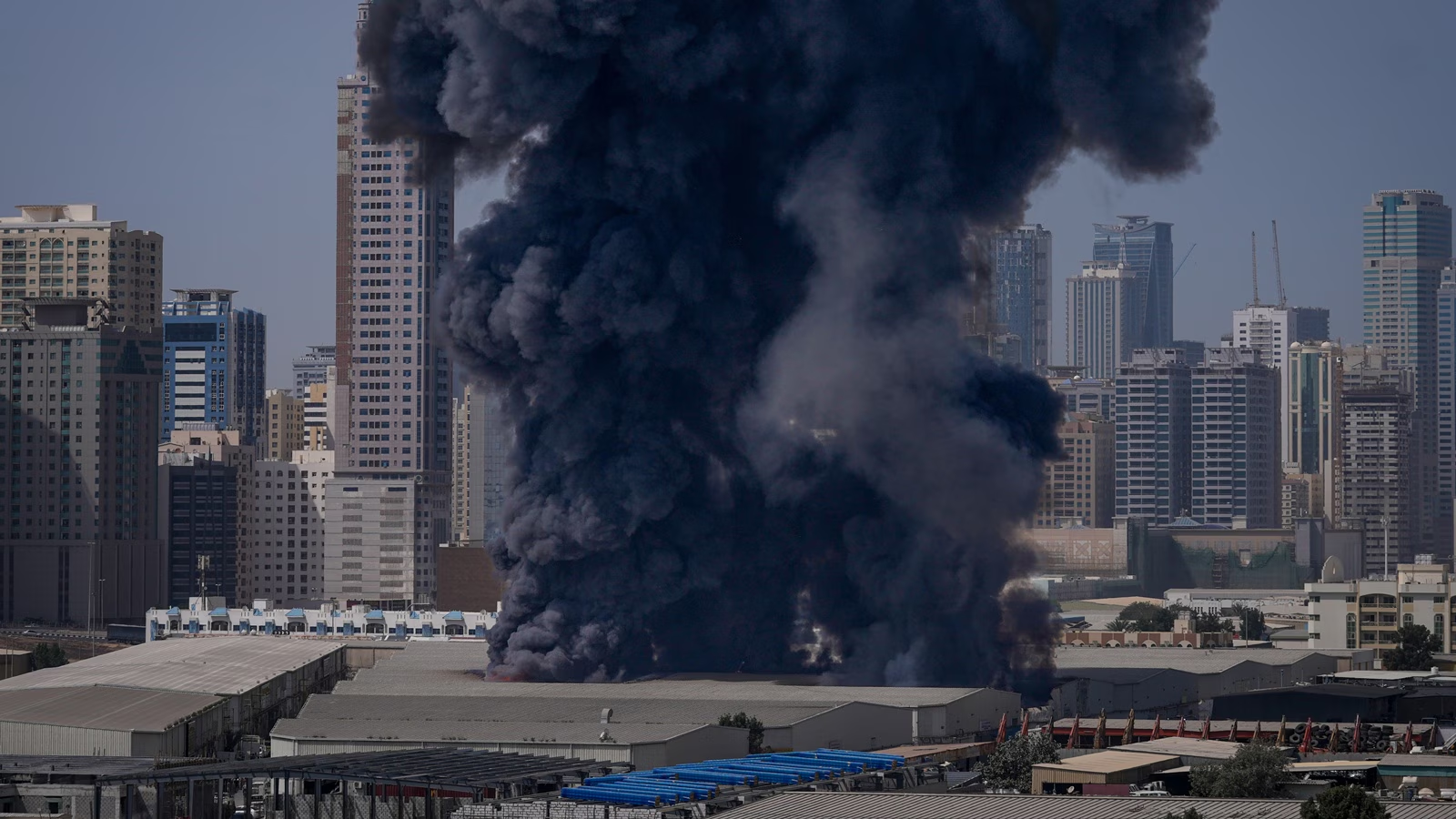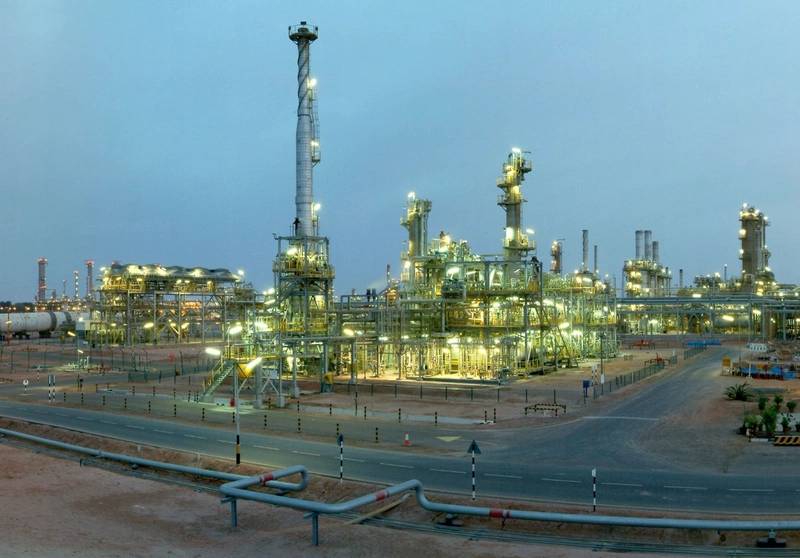

Abu Dhabi’s state‑owned oil company ADNOC has temporarily suspended operations at its Ruwais refinery after a drone strike ignited a fire within the complex. Authorities confirmed that the blaze was contained swiftly, with no reported injuries, and that the shutdown was instituted as a precautionary measure while safety inspections proceed. The Ruwais site, capable of processing up to 922,000 barrels per day, anchors ADNOC’s downstream portfolio, which includes integrated chemical, fertilizer and industrial‑gas facilities that feed both domestic demand and export markets.
The interruption, though limited in duration, reverberates through the UAE’s sovereign‑capital framework. ADNOC’s refining throughput feeds the cash flows that underpin the Abu Dhabi Investment Authority and other sovereign wealth vehicles, linking operational stability directly to the fiscal buffers that support national diversification strategies. Market analysts note that even a short‑term curtailment can tighten regional diesel and naphtha spreads, prompting traders to reassess risk premiums on Middle Eastern crude and refined products, while the incident underscores the vulnerability of critical energy chokepoints to asymmetric threats.
From a venture‑capital perspective, the episode accelerates interest in technologies that fortify energy infrastructure against aerial and cyber‑physical attacks. UAE‑based sovereign funds, already active in deep‑tech and defense‑related ventures, are likely to earmarked additional capital for start‑ups specializing in drone detection, autonomous fire‑suppression systems, and resilient refinery automation. Simultaneously, traditional energy investors are evaluating the cost‑benefit of hardening existing assets versus accelerating the shift toward low‑carbon hubs such as hydrogen and ammonia production, which could diversify revenue streams and reduce reliance on high‑value refining cores.
At a regional level, the Ruwais incident reinforces the imperative for GCC states to retrofit critical downstream nodes with multilayered protection and to accelerate the development of alternative processing corridors. Investments in strategic storage, redundant refining capacity in Saudi Arabia and Oman, and the integration of renewable‑powered electrolysis facilities are gaining urgency as policymakers seek to safeguard energy security amid heightened geopolitical turbulence. The episode thus serves as a catalyst for both sovereign and private capital to channel resources into more resilient, future‑proof infrastructure across MENA.