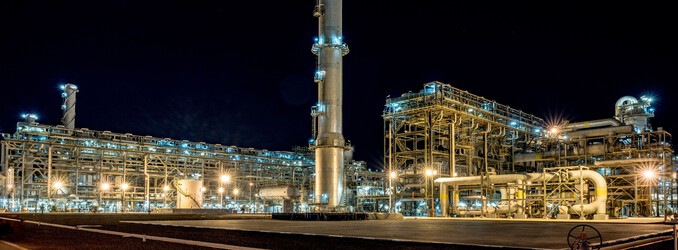

Persistent volatility in the Middle East underscores the existential risks to energy infrastructure in the Gulf, with the drone strike at the Shah gas field exemplifying how regional security fractures reverberate through global supply chains. Operated by ADNOC and Occidental, the field’s role in Middle Eastern gas exports means production disruptions, however localized, could amplify pressure on global LNG markets already strained by geopolitical tailwinds. While immediate damage appears contained, the incident exposes vulnerabilities in critical hydrocarbon hubs, potentially accelerating Gulf states’ investments in alternative energy diversification strategies. Meanwhile, the broader operational resilience of facilities like the Ruwais refinery and Fujairah terminal hangs in balance, as repeated attacks underscore systemic fragility in regional energy logistics.
Sovereign capital markets are acutely attuned to such shocks, as governments assume emergency response liabilities—particularly in state-led economies like the UAE and Iraq. ADNOC’s rapid containment of the Shah field fire likely mitigated deeper fiscal exposure, but the cost of safeguarding infrastructure now dwarfs routine operational budgets. For states reliant on energy revenues, escalating defense mechanisms to protect assets strain fiscal buffers while underscoring the interconnectedness of security and energy policies. Sovereign credit ratings could face downward pressure if strikes persist, particularly if insurance premiums spike or long-term capital flight ensues, as foreign investors recalibrate risk portfolios amid rising instability.
The regional infrastructure landscape is now irrevocably redefined by hybrid warfare tactics, demanding a recalibration of foreign and domestic capital. Gulf states, once seen as passive exporters, must now internalize the imperative to harden energy facilities against asymmetric threats, a shift with profound implications for $1 trillion in planned Gulf-Wide infrastructure projects. While venture capital flows remain concentrated in fintech and SaaS across the broader MENA region, energy tech—particularly cybersecurity and AI-driven threat detection—is poised to attract strategic private equity capital focused on crisis mitigation. However, the specter of drone and missile attacks elevates sovereign risk profiles, deterring non-state investor interest in physical assets unless underpinned by robust security guarantees and political risk insurance frameworks.