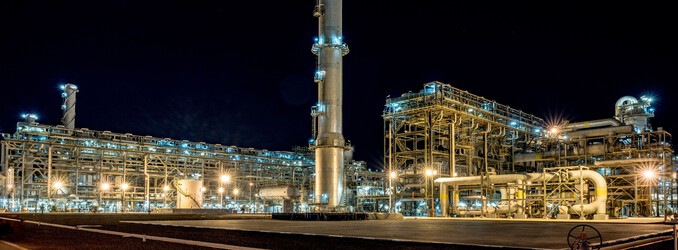

A drone attack on the Shah sour gas field in Abu Dhabi exposes a critical vulnerability in the United Arab Emirates’ economic diversification strategy. The facility, a cornerstone of ADNOC’s operations developed with Occidental Petroleum, underpins not only domestic power generation and desalination but also the feedstock supply for the nation’s industrial hubs. Persistent threats to such infrastructure directly imperil the stable, low-cost energy envelope that sovereign wealth entities like Mubadala Investment Company and ADIA depend upon to attract foreign direct investment into non-oil sectors, from manufacturing to technology. The operational suspension at the Ruwais refinery and partial disruption at Fujairah export terminal following similar strikes further demonstrates that risk is not isolated but systemic across the value chain, jeopardizing the UAE’s position as a reliable global energy and logistics hub.
The immediate business calculus for institutional investors and insurers is undergoing a sharp recalibration. Sovereign capital funds across the Gulf, which have heavily allocated towards domestic energy and infrastructure assets to drive economic transformation, now face a higher, quantifiable risk premium. This incident will tighten insurance coverage terms and elevate premiums for all energy and port infrastructure projects in the region, directly impacting project economics and delaying final investment decisions. Venture capital and private equity with exposure to regional industrial tech, logistics, and renewable energy projects will conduct rigorous stress-testing of their portfolio companies’ supply chain dependencies on Gulf-based energy and export terminals, potentially diverting capital towards perceived safer jurisdictions or compelling startups to incorporate heightened geopolitical risk into their operational models.
Long-term, this escalating pattern of asymmetric strikes mandates a fundamental reassessment of regional infrastructure resilience by both state-owned enterprises and their international partners. For the UAE and Saudi Arabia, it accelerates investment in digitized, distributed, and hardened infrastructure—a costly but necessary pivot. However, the financing burden for such security upgrades will compete with capital earmarked for energy transition projects, potentially slowing the pace of decarbonization investments. The spillover effect is a regional recalibration where sovereign wealth funds may diversify infrastructure holdings further afield, while multinational energy firms will demand stronger force majeure clauses and sovereign guarantees. The incident crystallizes a new paradigm: energy security in the Gulf is now inseparable from national and economic security, forcing a permanent, costly integration of defense protocols into the core infrastructure investment thesis for the MENA region.