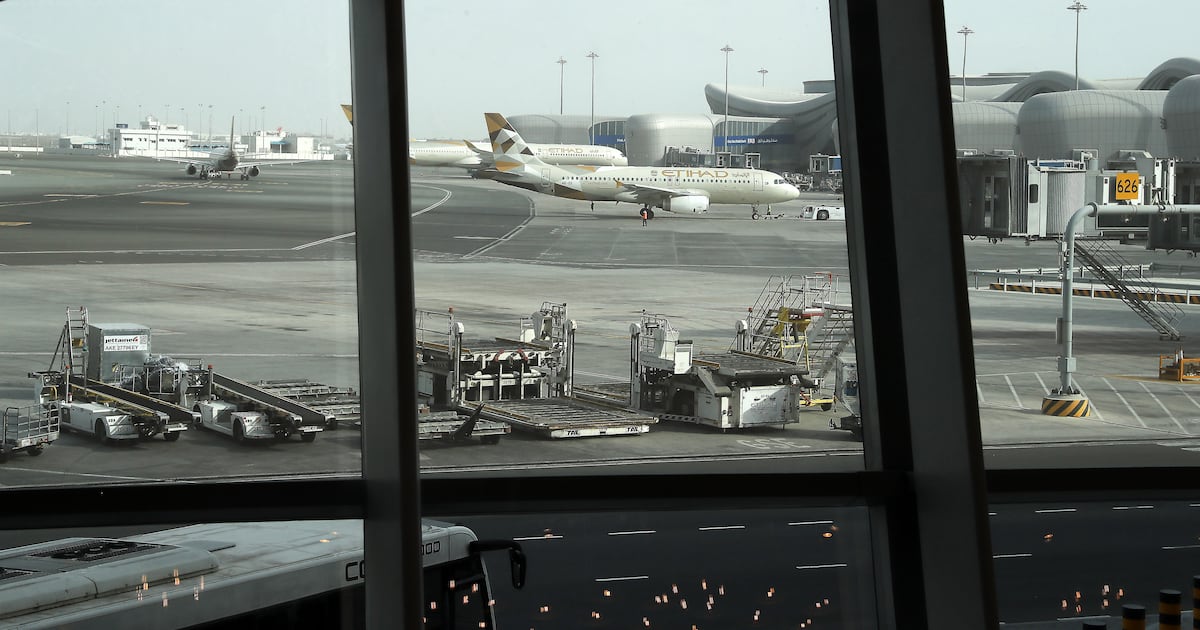

The aviation sector in the Middle East and North Africa remains under acute strain as geopolitical tensions and extreme weather events converge to disrupt critical travel and cargo hubs, underscoring vulnerabilities in an industry vital to the region’s global connectivity. Disruptions at Zayed and Dubai International Airports—two pillars of the UAE’s booming tourism and trade infrastructure—have forced airlines like Emirates, Etihad, and Air Arabia to activate contingency plans, including flight cancellations, schedule adjustments, and costly refund/rebidding schemes. These operational hiccups, compounded by security concerns stemming from Iran’s escalating military posturing and regional retaliatory measures, threaten to erode traveler and business confidence, potentially dampening demand for high-yield investments in airport expansion or premium aviation services. The broader MENA travel corridor, already navigating redrawn air routes to avoid conflict zones, faces a dual risk of supply chain bottlenecks and reputational fallout, with implications for sovereign revenues tied to tourism and long-haul trade.
Sovereign capital markets in the Middle East are contending with rising defense expenditures as Gulf states and their allies brace for prolonged geopolitical instability. The UAE’s interception of 15 ballistic missiles and over 1,800 drones since the conflict’s onset—highlighting an unprecedented escalation of asymmetric warfare—reveals stark data-driven proof of the economic toll of sustained military readiness. Frontier states like Jordan and Lebanon, already grappling with debt-driven austerity, face heightened fiscal pressures to divert resources from infrastructure modernization to emergency defense budgets, while oil-dependent economies must balance volatile energy sector revenues against soaring insurance premiums and logistics costs. Meanwhile, central bank digital currency (CBDC) initiatives, once framed as tools for financial sovereignty, are now secondary to acute needs for capital preservation amid cross-border currency volatility triggered by regional instability.
Venture capital investment in MENA’s tech ecosystem stalls amid dual shocks of conflict uncertainty and climate-driven infrastructure strain. Startups in transportation, logistics, and AI-driven supply chain optimization—sectors poised to thrive in wartime economies—are sidelined as institutional investors prioritize liquidity preservation over speculative tech bets. The storm-induced airport disruptions exemplify the fragility of the region’s digital infrastructure, with 5G-enabled logistics solutions struggling to adapt to analog crisis management demands. Notably, the UAE’s sovereign wealth fund has slashed its publicized VC commitments by 20% in Q1 2026, signaling a sector-wide recalibration where security concerns outweigh innovation incentives. Similarly, Saudi Arabia’s Sovereign Fund, though quieter in regional headlines, mirrors this trend, tightening investment criteria to favor only entities aligned with the Kingdom’s Vision 2030 security diversification mandates.
Regional infrastructure resilience remains a stark litmus test for MENA’s economic sovereignty, exposing systemic weaknesses in a geopolitically bifurcated era. The UAE’s storm-battered airports, despite their prior record-breaking performance as economic beacons, reveal a critical dependency on centralized infrastructure vulnerable to cascading risks. Strategic investments in redundant energy grids, desalination plants fortified against cyclonic swells, and decentralized cyber-physical inspection systems are no longer discretionary—they are fiscal necessities to avoid sovereign credit downgrades. Cross-border infrastructure partnerships, such as the stalled GCC railway network, face further delays as tri-state negotiations bogged down by mutual security anxieties. For policymakers, the imperative is clear: sovereign capital must pivot from long-term megaprojects to fortified micro-resilience, ensuring that even in conflict, the region’s economic lifelines remain intact. Failure to do so will entrench a legacy of dependency, where capital flight and infrastructure fragility perpetuate cycles of underinvestment and strategic vulnerability.