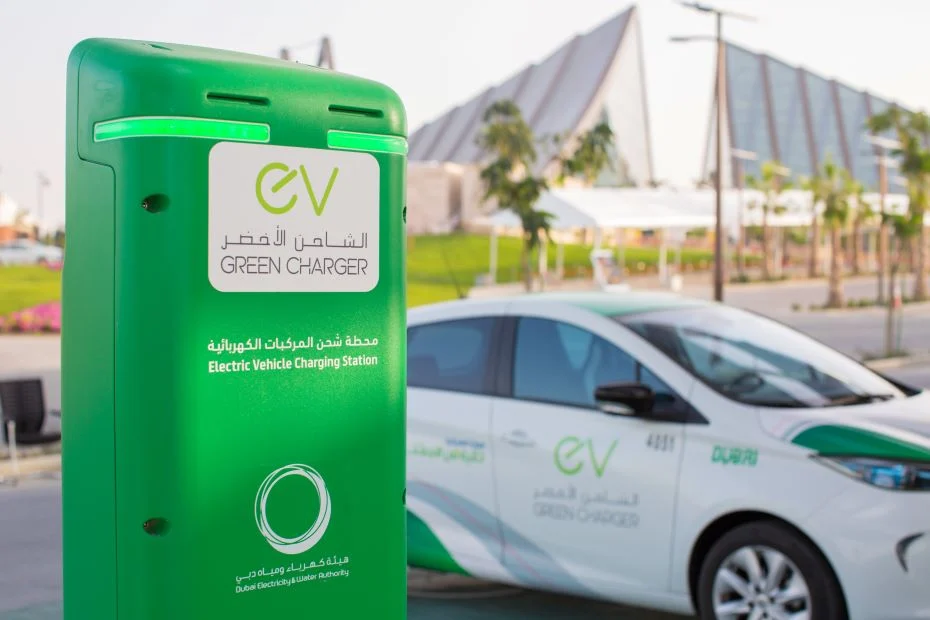

Dubai Municipality’s announcement to deploy 600 electric vehicle supercharging stations across public parks, beaches, and recreational facilities represents a strategic pivot with profound implications for regional sustainable mobility and economic infrastructure. Backed by a sovereign investment of Dhs150 million, this initiative, executed through a partnership with Emarat EV Charging Stations Company (UAEV), directly supports Dubai’s integration of clean transportation into its urban fabric, aligning with the Greenery and Parks Strategy 2040. This deployment transforms high-traffic public spaces into enablers of the UAE’s broader ambition to achieve 50% EV adoption by 2050, signaling a major commitment to decarbonizing transport through targeted public infrastructure. The project’s design, prioritizing accessibility and convenience at community hubs, mitigates range anxiety and embeds EV usage into routine daily activities, thereby accelerating consumer adoption and fostering a market conducive to private-sector investment in green mobility solutions.
The initiative is intricately linked to Dubai’s economic development agenda D33, which actively encourages private sector participation in building sustainable infrastructure. UAEV, under the stewardship of the Ministry of Energy and Infrastructure, leverages its role as a national charging infrastructure provider to scale deployment, demonstrating how sovereign capital can catalyze private investment while advancing national net-zero objectives. By integrating EV charging into leisure destinations—enabling residents and visitors to charge vehicles during recreational activities—the strategy enhances the economic value of public spaces, boosting tourism footfall and local commerce. This model creates a replicable blueprint for regional infrastructure development, encouraging similar investments across GCC states and positioning Dubai as a frontrunner in deploying smart, sustainable urban ecosystems that seamlessly merge environmental responsibility with economic vitality.
Moreover, the rollout underscores Dubai’s focus on fostering innovation and partnerships through initiatives like ‘A Global Market for Electric Vehicles.’ The Municipality’s open call for private sector collaboration, investors, and tech-driven entities signals an intent to leverage venture capital and strategic alliances for next-generation public infrastructure. This approach promises long-term operational efficiencies and enhanced user experiences, vital for sustaining public trust and maximizing the socio-economic returns of these investments. The strategic placement across major destination parks, neighborhood parks, and public beaches ensures wide geographic coverage, directly supporting Dubai’s ambition to make sustainable mobility the default choice for its diverse population. Consequently, this initiative not only accelerates the transition to electric transport but also reinforces Dubai’s position as a global hub for sustainable urban innovation, with tangible impacts on regional economic diversification and environmental policy leadership.