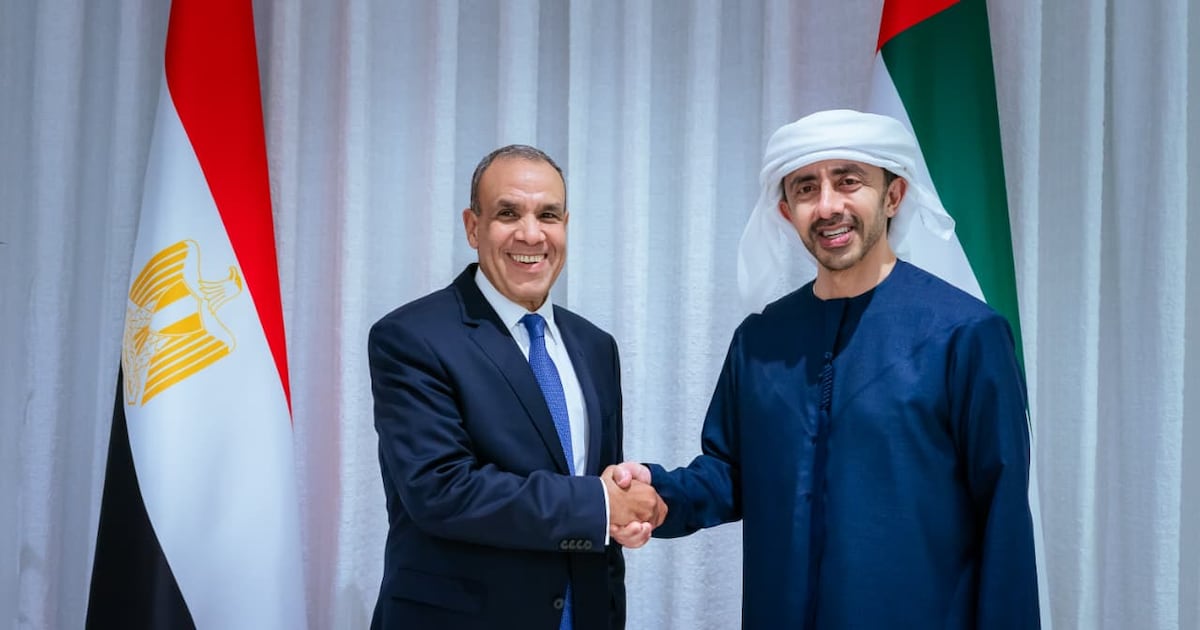

The Egyptian Foreign Minister’s Gulf tour underscores a renewed diplomatic push from Cairo to solidify regional alliances and enhance strategic positioning within the energy-rich monarchies of the Arabian Peninsula. With sovereign capitals recalibrating responses to Tehran’s military provocations, Abdelatty’s visit to Doha, Muscat, and Abu Dhabi reflects a calculated diplomatic choreography initiated by President El-Sisi. The momentum behind these talks signals a clear pivot in Egypt’s foreign policy toward a more interventionist and alliance-centric framework. The UAE, in particular, stands as a key recipient of this regional outreach, with bilateral ties increasingly underscored by security co-operations, defense procurement deals, and infrastructural investments. Crown Prince court insiders have hinted at potential follow-up engagements aimed at formalizing joint military contingency protocols and energy infrastructure resilience planning. These developments augur well for deepening sovereign capital-deployment flows, especially as both Egypt and the UAE remain heavily invested in maritime belt-and-road mega projects that require regional regime stability.
Shifting to Qatar, Abdelatty’s mission carried not only a message of unwavering Cairo-Doha solidarity, but also spotlighted the Emirate’s critical soft-power positioning amid the ongoing Iran-Gulf standoff. While diplomatic thaw with Doha had previously been contentious, recent high-level engagements signal reinvigorated ties fortified by Egypt’s repatriation of regional capital commitments and joint aviation infrastructure ventures. Both parties reiterated commitments to de-escalation diplomacy and reaffirmed the need for a unified front in safeguarding energy transit choke points—an economic imperative given Qatar’s LNG dominance and Egypt’s Suez Canal revenues. Venture financiers are watching closely, as the promise of Cairo-Qatar co-investment specifically in blue ammonia production and East-Med undersea cable initiatives could unlock billions in clean-tech and digital infrastructure capital, bolstered by sovereign wealth fund incentives.
In Oman, Abdelatty’s engagement with Sultan Haitham marks a rare Egyptian overture to a Sultanate long admired for its neutrality in Gulf politics. The alignment, however, appears tactically driven: Omani defense forums have heard repeated calls for “southern front” co-ordination against Iranian aggression on maritime domains critical to global trade. From Muscat’s vantage, Egypt’s offer to scale joint crisis-response simulations and maritime patrol interoperability could mean enhanced forward basing cooperation for Egyptian naval units, with sovereign Omani shores hosting logistical nodes. This development dovetails with Egyptian aerospace contractors’ growing footprint across the Sultanate’s drone corridors, furnishing the UAE-Egypt-Qatar-Oman corridor with integrated ISR and SIGINT coverage. For GCC and MENA infrastructure investors, these arrangements augur expanded sovereign capital allocation toward regional security architecture, port enhancements, and high-frequency data linkages—fuels for the next wave of strategic Middle East integration underpinned by de-risked sovereign capital flows.