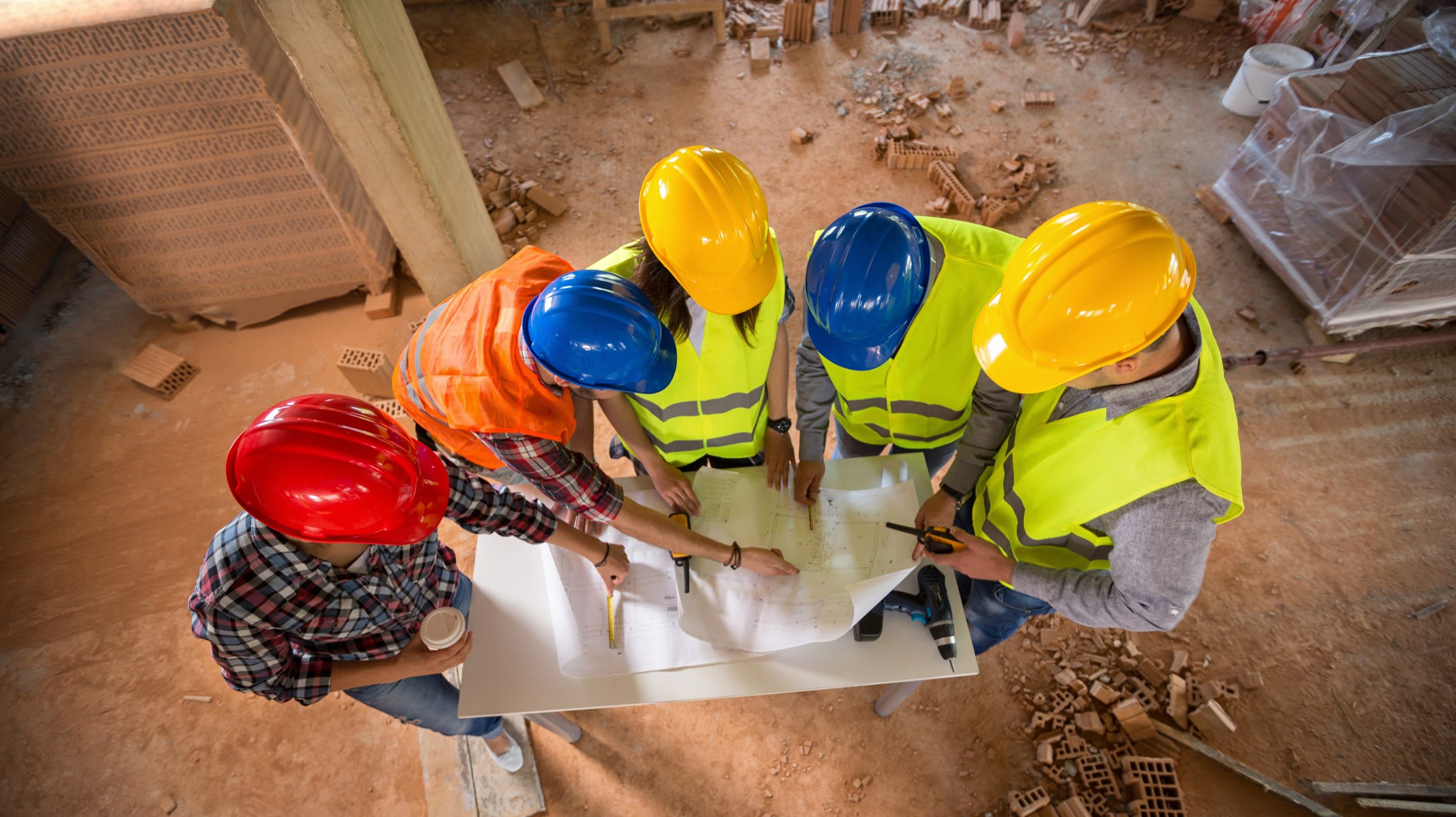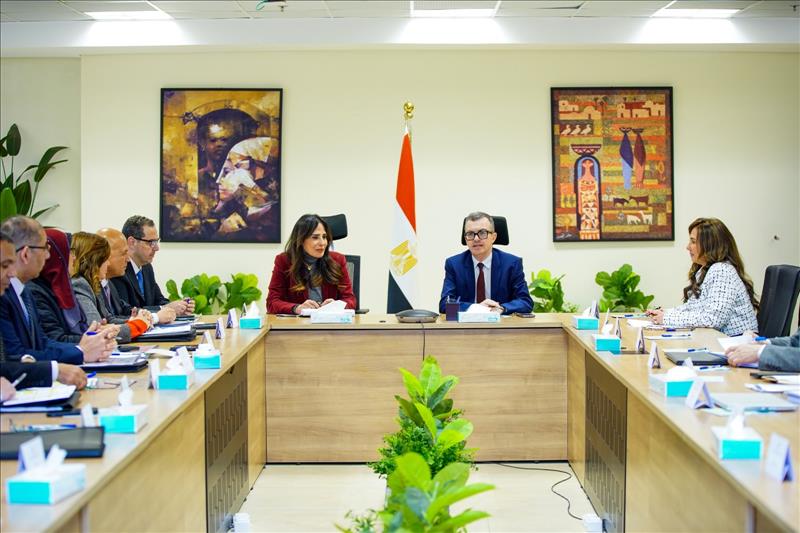

Egypt’s ongoing coordination between its Ministries of Planning and Housing to finalize investment plans for 2026-2030 underscores a strategic pivot toward leveraging public capital to catalize private sector growth and regional infrastructure development. The emphasis on housing as a growth driver—tied to infrastructure upgrades, job creation, and quality-of-life improvements—reflects a broader institutional recognition of urbanization as a linchpin for sovereign capital efficiency. By prioritizing the Decent Life initiative and middle-income housing programs, Cairo aims to solidify its role as a transit hub in Africa-Eurasia connectivity networks, while addressing chronic underinvestment in underserved municipalities. This dual focus on social infrastructure and economic industrialization could redefine Egypt’s debt sustainability narrative, provided project execution aligns with fiscal discipline amid volatile global capital flows.
The housing ministry’s track record in delivering large-scale projects—such as the $11 billion Rus Al-Yusuf development zone—signals institutional competence in managing capital-intensive programs, a critical factor for attracting venture capital inflows into the MENA region. However, the urgency to modernize utilities and sanitation infrastructure in newly urbanizing areas also highlights vulnerabilities in Egypt’s sovereign borrowing capacity. Rising interest rates and dollar constraints have intensified scrutiny over Cairo’s ability to fund such projects without compromising fiscal buffers. For venture capital, the opportunity lies in PPP models targeting modernizing decades-old water grids, while regional players betting on smart city technologies could unlock displacement-prone investments in energy-efficient infrastructure.
Regional infrastructure implications extend beyond Egypt’s borders, as its investment strategy in border-neighboring hubs like Toshka and Bahriya Valley projects could catalyze a domino effect of cross-border urbanization. Efficient execution of these initiatives may position Cairo as a template for North Africa’s response to the Gulf’s private sector-led megaprojects, but success hinges on balancing privatization risks against sovereign risk premiums. As Egypt secures capital from Gulf allies and multilateral institutions for its FY 2027 plans, the region watches how it deploys these funds—whether channeling them into legacy infrastructure or decoupling debt-driven growth from emerging technology-centric projects—to redefine geopolitical economic stature in the MENA ecosystem.