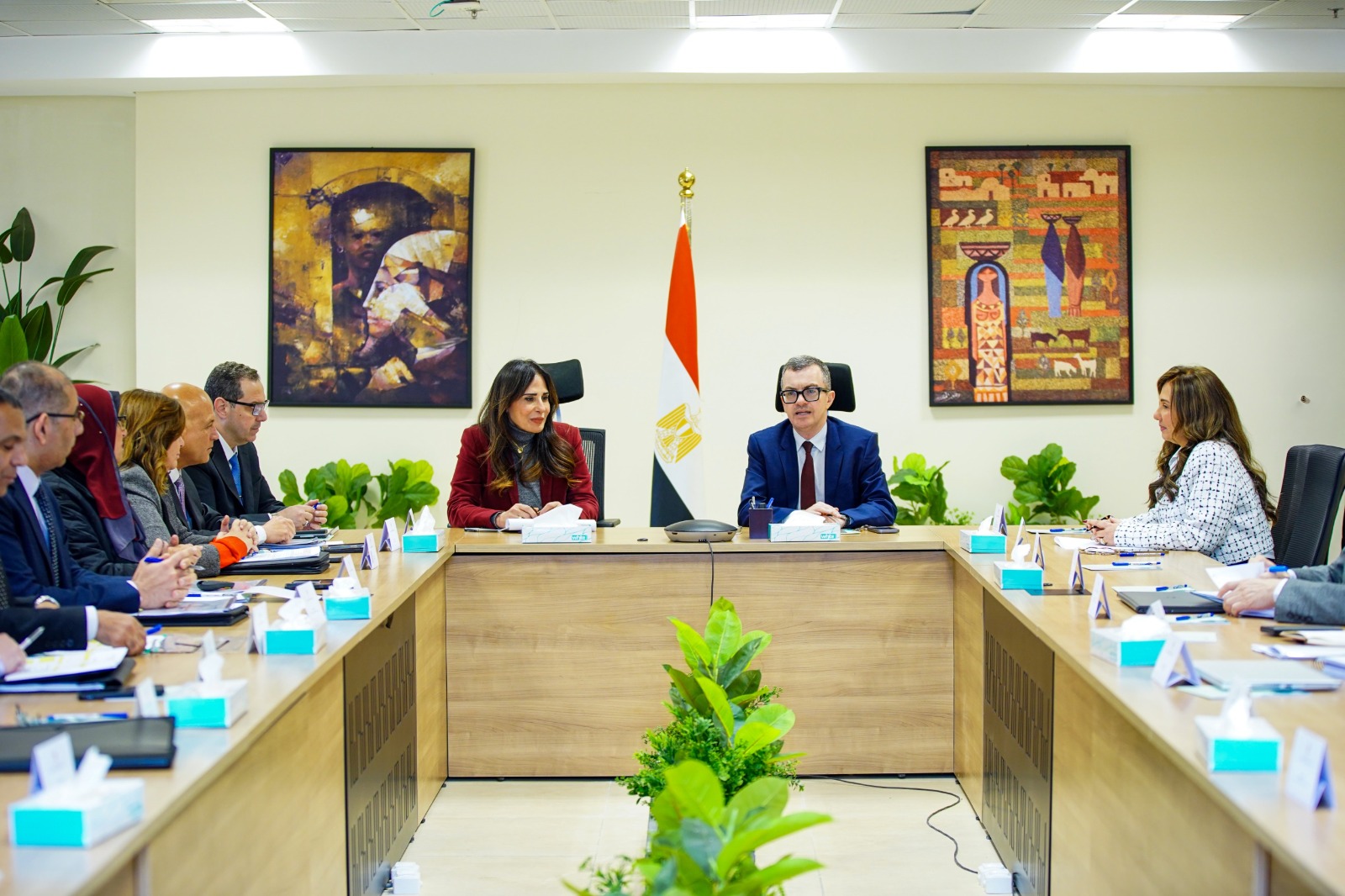

Egypt is intensifying its sovereign-led capital allocation towards transformative infrastructure and urban development, signalling a strategic pivot to bolster economic resilience and elevate citizen living standards. During high-level ministerial discussions between the Ministries of Planning and Housing, detailed investment blueprints for fiscal year 2026/2027 and a 2026-2030 medium-term roadmap were finalised, with a sharpened focus on maximising returns from public investment. The coordination exemplifies Cairo’s commitment to aligning capital deployment with Egypt Vision 2030 objectives, particularly as housing and urban development emerge as fiscal growth multipliers through their spillovers on infrastructure, job creation, and service delivery.
The Housing Ministry’s elevated implementation rate within national budget allocations underscores its capacity to anchor large-scale, state-backed development ventures, reinforcing sovereign credibility among institutional investors. Critically, these efforts dovetail with initiatives like the presidential Decent Life and mass housing programmes, which not only respond to pressing demographic and societal needs but also offer predictable, steady cash flow profiles appealing to venture and infrastructure capital in the MENA region. As Egypt facelifts thousands of housing units and invests in drinking water and sanitation networks, the country is sending strong signals to the GCC and global pension funds seeking long-term positions in stable, high-growth emerging markets.
Moreover, the expansion plans for new cities to function as integrated economic and development hubs hold strategic ramifications for regional value chains. Investment clusters in logistics, real estate, port infrastructure, and digital connectivity will catalyse private sector involvement, reducing the sovereign balance sheet’s capital burden while accelerating industrialisation. This consolidated approach to strategic sovereign spending is designed to mitigate the risks of underutilisation and cost overruns, thereby enhancing the resilience of Egypt’s capital markets. The alignment between planning and housing ministries positions Egypt as a regional infrastructure champion, with the potential to attract a new wave of institutional partnerships aligned with the country’s growth-centric, citizen-benefit-driven development model.