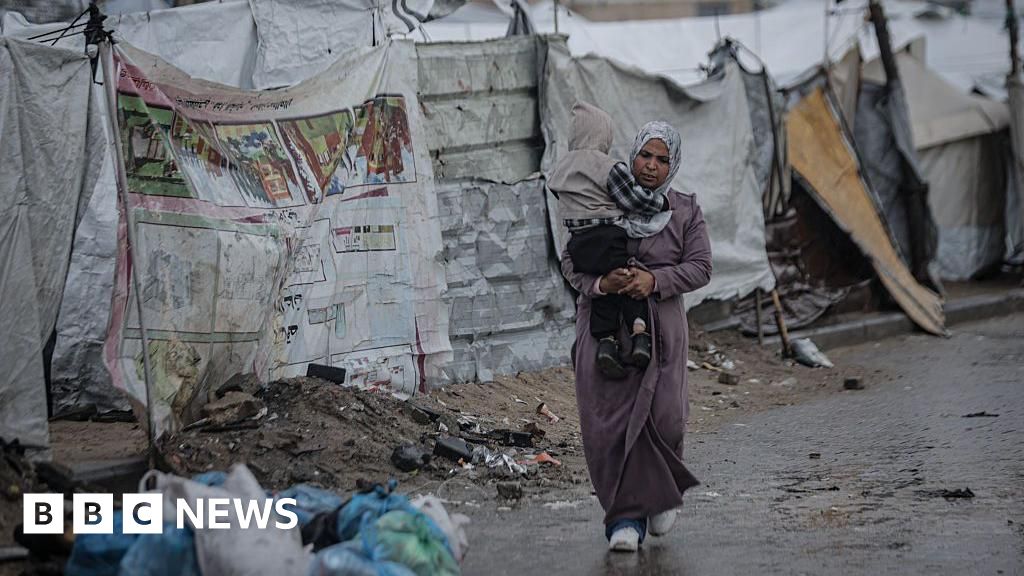

The recent tragic loss of Jawad Younes and his uncle, Ragheb, in a compound incident, while deeply personal, carries significant, albeit often understated, implications for the evolving financial and technological landscape of the Middle East and North Africa (MENA) region. While details surrounding the event remain scarce, the incident underscores the inherent vulnerabilities within tightly-knit business networks – a characteristic prevalent in many MENA economies where family-led enterprises often hold considerable sway. Consequently, the disruption to the Younes family’s business activities, the scale of which requires further analysis, potentially impacts existing investment portfolios and strategic partnerships. This necessitates a reassessment of risk profiles by both domestic and international investors concentrating in sectors where the Younes family held influence.
Beyond the immediate human cost, the event raises critical questions about sovereign capital deployment and the allocation of risk within the regional financial ecosystem. MENA nations are increasingly emphasizing diversification beyond hydrocarbons, with a substantial portion of sovereign wealth funds committed to fintech, AI, and renewable energy initiatives. Such funds often funnel capital into private equity and venture capital firms that cultivate relationships with influential business families. The incident highlights the potential for such concentrated risk to destabilize investment strategies and delay projected returns, particularly if the affected entities were instrumental in specific infrastructure projects or technology ventures. A prudent approach dictates a detailed review of exposure to families operating within concentrated sectors.
Furthermore, the incident casts a shadow over the broader trajectory of regional infrastructure development and technological innovation. Many MENA countries rely on private investment, often facilitated by family-backed conglomerates, to execute ambitious projects in sectors such as smart cities, logistics, and digital transformation. Disruptions to these networks, even localized ones, can create bottlenecks and delays, impacting economic growth targets and hindering the region’s attractiveness to foreign direct investment. The event compels a sharper focus on robust risk mitigation strategies within infrastructure financing, incorporating comprehensive due diligence and contingency planning that acknowledges the interconnectedness of business relationships within MENA’s unique entrepreneurial ecosystem.
The long-term implications necessitate a more nuanced understanding of the role of family businesses in shaping MENA’s economic future. While these entities have historically been pivotal in driving growth, the need for greater transparency, corporate governance, and risk diversification is becoming increasingly apparent. Regulators and investors must collaboratively foster an environment that supports both entrepreneurial dynamism and sustainable economic development within the region. Failure to address these considerations risks undermining investor confidence and derailing key initiatives aimed at realizing the full potential of the MENA economies.