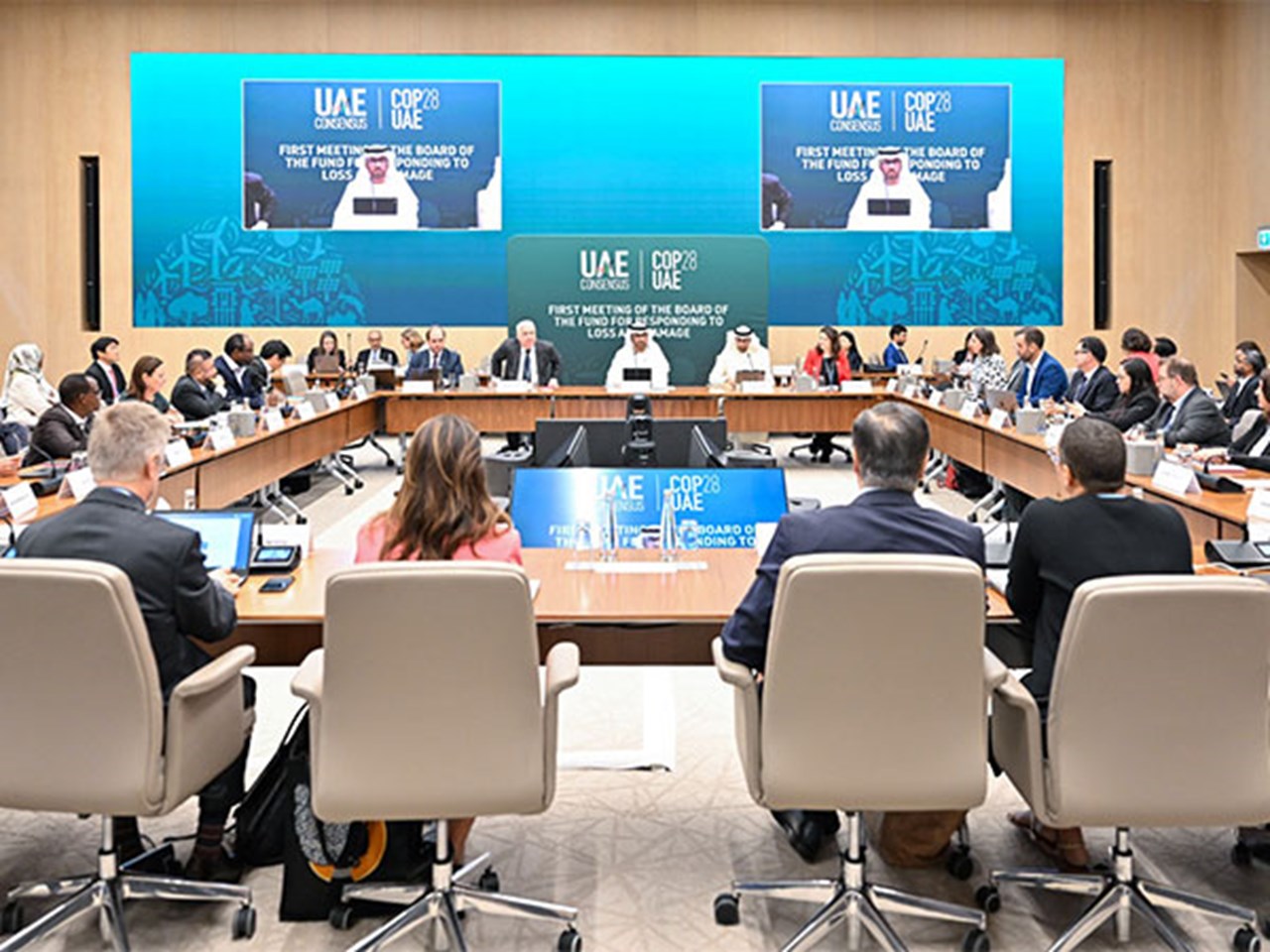

The recent security warnings regarding targeted assaults on United Arab Emirates’ energy infrastructure underscore a stark and escalating dimension of geopolitical tension in the MENA region. Sultan Al Jaber, Chairman of the Abu Dhabi National Oil Company, articulated the gravity of these developments, emphasizing that such acts stall decades of cooperative investment and market stability. His criticism extends beyond regional concern, framing these incidents as manifestations of deliberate economic warfare—a strategy in which energy flows are manipulated as weapons against sovereign stability. This perspective is reinforced by intelligence assessments pointing to coordinated patterns aimed at undermining the resilience of the Gulf’s vital energy corridors.
The implications extend well beyond immediate physical threats. For the broader Middle East and North Africa (MENA) region, these developments signal a recalibration of investment climates. Sovereign capital deployment strategies are likely to face heightened scrutiny, with numerous stakeholders reassessing risk exposure in high-value energy projects. The specter of attack on infrastructure demands a reassessment of protection protocols and insurance frameworks, as both public and private entities navigate an increasingly unpredictable environment. The venture capital landscape, particularly focused on frontier energy technologies in the region, must now factor in a heightened incidence of hostile actions threatening operational continuity.
Regional infrastructure under strain is imperative to rewrite the economic calculus for sovereign development agendas. The UAE’s energy ambitions, along with broader regional goals, must recalibrate to account for the hardened security demands arising from these hostile acts. Alongside this, the structural impact on intra-regional trade flows cannot be overlooked, as supply chain vulnerabilities may proliferate. Infrastructure investors must also anticipate intensified calls for transparency and security assurances to secure long-term financing, ensuring that the Kingdom remains a bastion of stability in energy and finance. This convergence of politics, security, and capital underscores why the behavior observed in the UAE is not isolated but part of a wider recalibration of power dynamics across MENA.