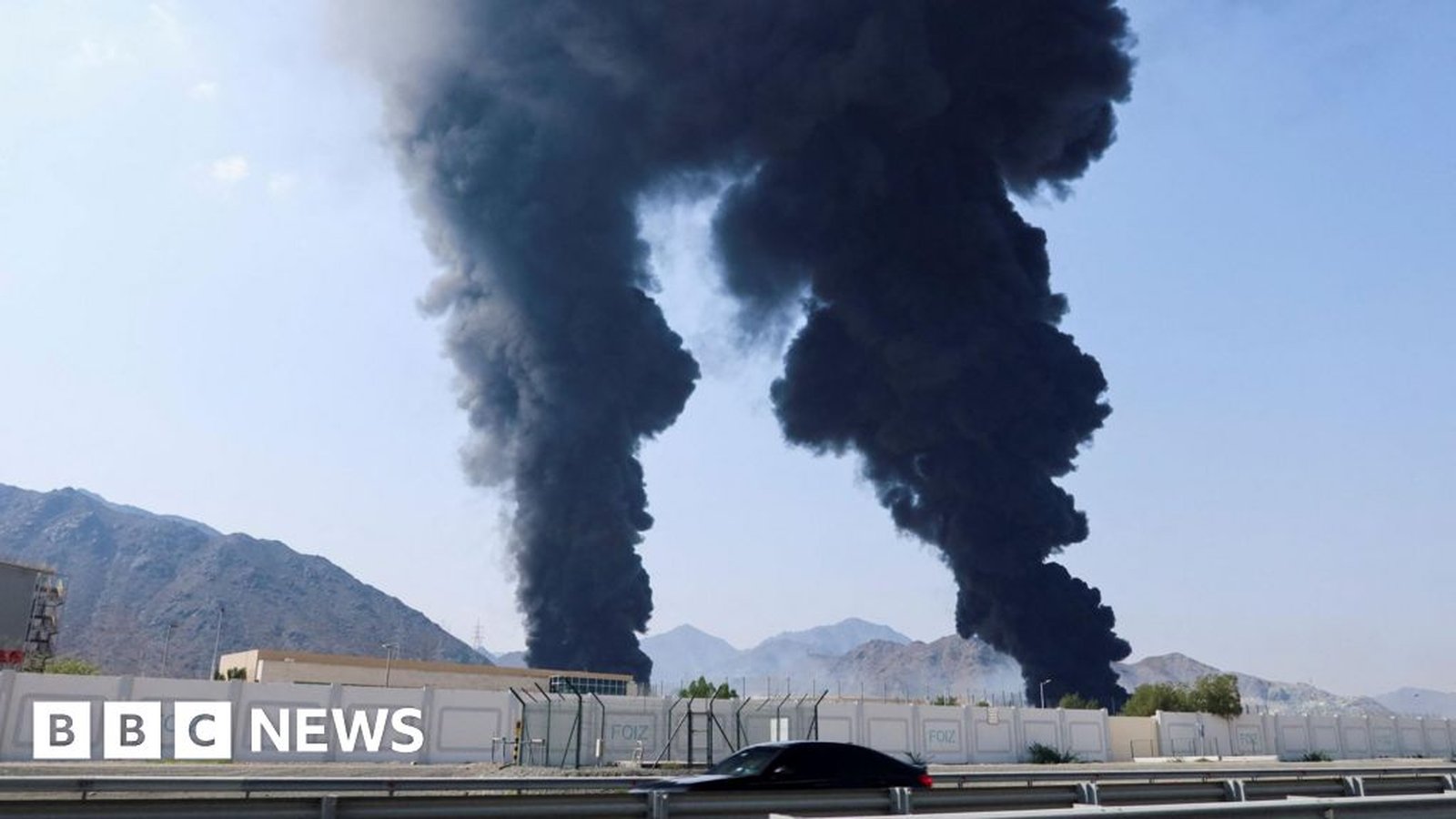

The unprecedented drone strike that forceda temporary shutdown of Dubai International Airport has immediate repercussions for the UAE’s sovereign capital and private equity portfolios. The closure of a hub handling over 90 million passengers annually disrupts freight volumes, prompting sovereign wealth funds to reassess exposure to logistics and aviation assets, while regional banks are likely to tighten credit lines for related equities. Early market reactions signal a premium on risk premiums embedded in UAE‑linked securities, reflecting heightened geopolitical uncertainty.
From a sovereign capital perspective, the incident underscores the strategic vulnerability of assets tied to critical energy corridors. Investors in Abu Dhabi‑based sovereign funds are expected to prioritize diversification into non‑energy sectors and to allocate additional capital toward resilience‑focused infrastructure projects, reinforcing the long‑term shift away from reliance on traditional hydrocarbon pipelines.
Venture capital inflows into the MENA tech ecosystem face a short‑term slowdown as limited partners reevaluate liquidity timelines against a backdrop of heightened operational risk. Start‑ups operating in logistics, fintech, and AI that relied on seamless air freight may encounter supply‑chain bottlenecks, prompting a recalibration of growth strategies and a possible shift toward regional partnerships that bypass compromised maritime routes.
The broader regional infrastructure implications extend to North Africa, where the Strait of Hormuz remains a chokepoint for 30 percent of global oil volumes. Institutional investors are likely to pressure sovereign governments to accelerate alternative pipeline and port development, including projects linking the Gulf to the Mediterranean and Red Sea corridors, to mitigate exposure to hostile kinetic actions and to preserve uninterrupted capital flows across the wider MENA supply chain.