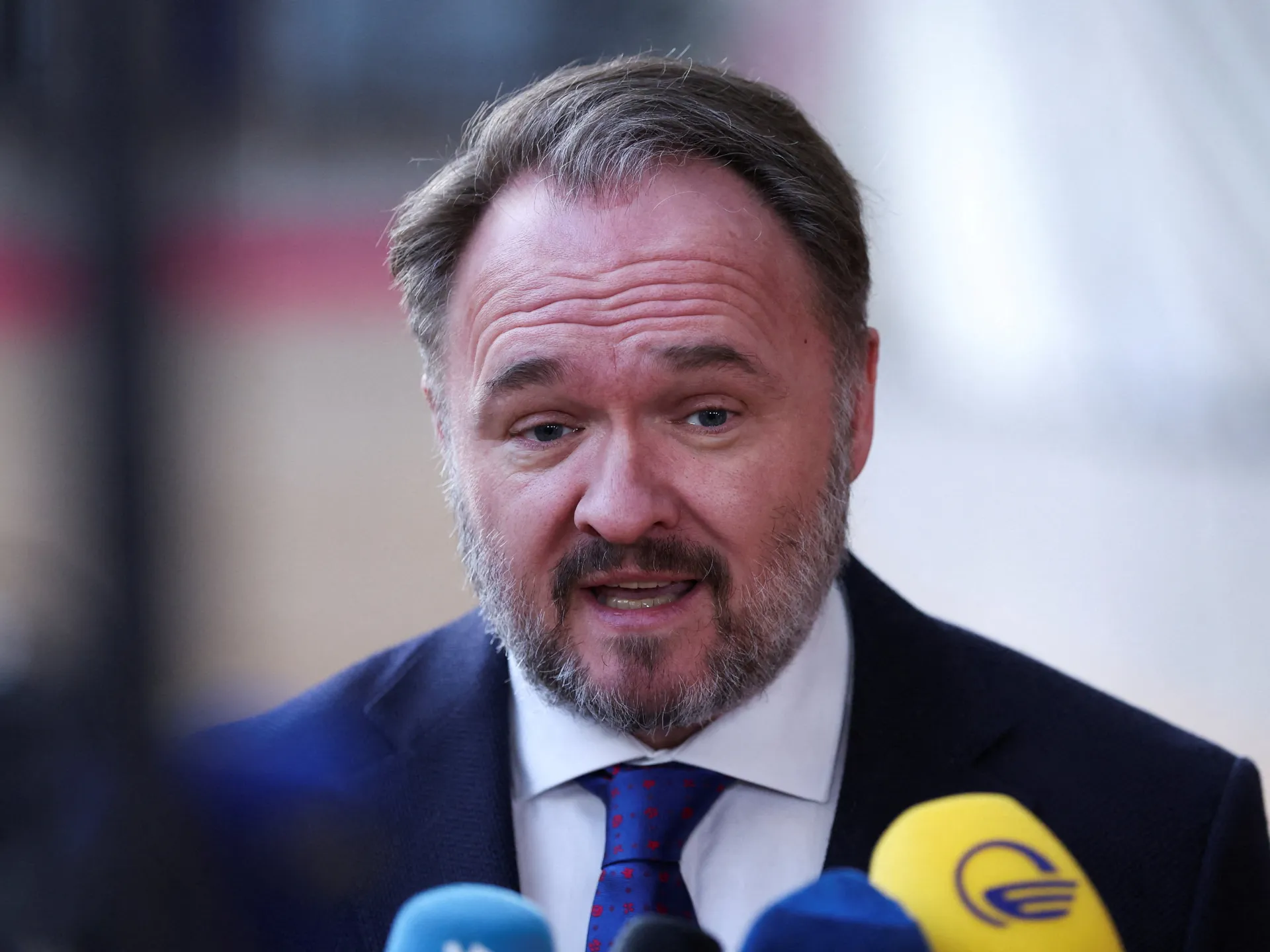

The escalating geopolitical tensions in the Middle East, specifically the recent attacks on Gulf energy infrastructure by Iran, are triggering a significant and potentially destabilizing shift in global energy markets with profound implications for the European Union and broader regional stability. Commissioner Jorgensen’s directive to reduce EU gas storage targets to 80% reflects a pragmatic, albeit concerning, assessment of the heightened volatility and supply risks now confronting the bloc. This adjustment, necessitated by the disruption of Qatar’s LNG exports – a critical artery for European energy security – underscores the vulnerability of relying heavily on external suppliers, particularly in the wake of the Ukraine conflict and the subsequent reshaping of energy trade flows.
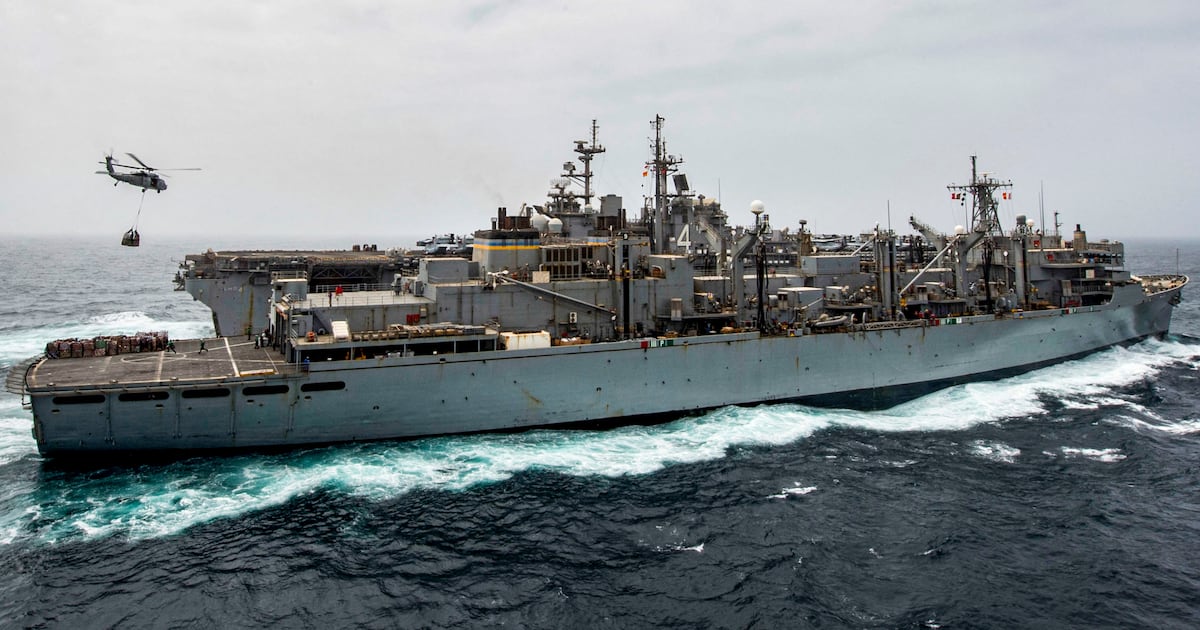
The immediate impact is felt acutely within the Middle East, where sovereign wealth funds and state-owned enterprises, such as QatarEnergy, are grappling with reduced export capacity and the potential for prolonged disruptions. Increased tanker traffic congestion through the Strait of Hormuz, a vital chokepoint, further exacerbates these challenges. Crucially, this situation is accelerating the diversification strategies being pursued by nations like Saudi Arabia and the UAE, who are actively seeking to expand their LNG production capacity and secure long-term supply contracts with Asian markets – a shift that will necessitate substantial investment in infrastructure and technology. Furthermore, the increased demand for regional energy security is likely to fuel greater engagement from sovereign capital investors, driving investment into renewable energy projects and energy efficiency initiatives across the MENA region.
Venture capital activity within the region’s energy technology sector is poised for a notable uptick. The instability is accelerating the need for innovative solutions – including advanced LNG liquefaction technologies, digital platforms for energy trading and logistics, and enhanced monitoring and cybersecurity systems – creating attractive opportunities for private equity and venture capital firms. However, the long-term success of these investments will be contingent on sustained regional stability and the development of robust, interconnected energy infrastructure. Significant investment in port upgrades, pipeline expansions, and digital grid modernization will be paramount to mitigating future supply shocks and ensuring a resilient energy ecosystem.
Beyond the immediate economic consequences, the ongoing conflict presents a serious threat to regional security and geopolitical stability. The EU’s reduced storage target, coupled with rising oil prices, highlights the interconnectedness of global energy markets and the potential for cascading effects. The imperative for accelerated storage replenishment, coupled with the need for diversified supply sources, necessitates a coordinated international response. Ultimately, a long-term resolution to the underlying geopolitical tensions is essential to restoring confidence in the region’s energy markets and fostering sustainable economic growth, a prospect currently overshadowed by the escalating risks.