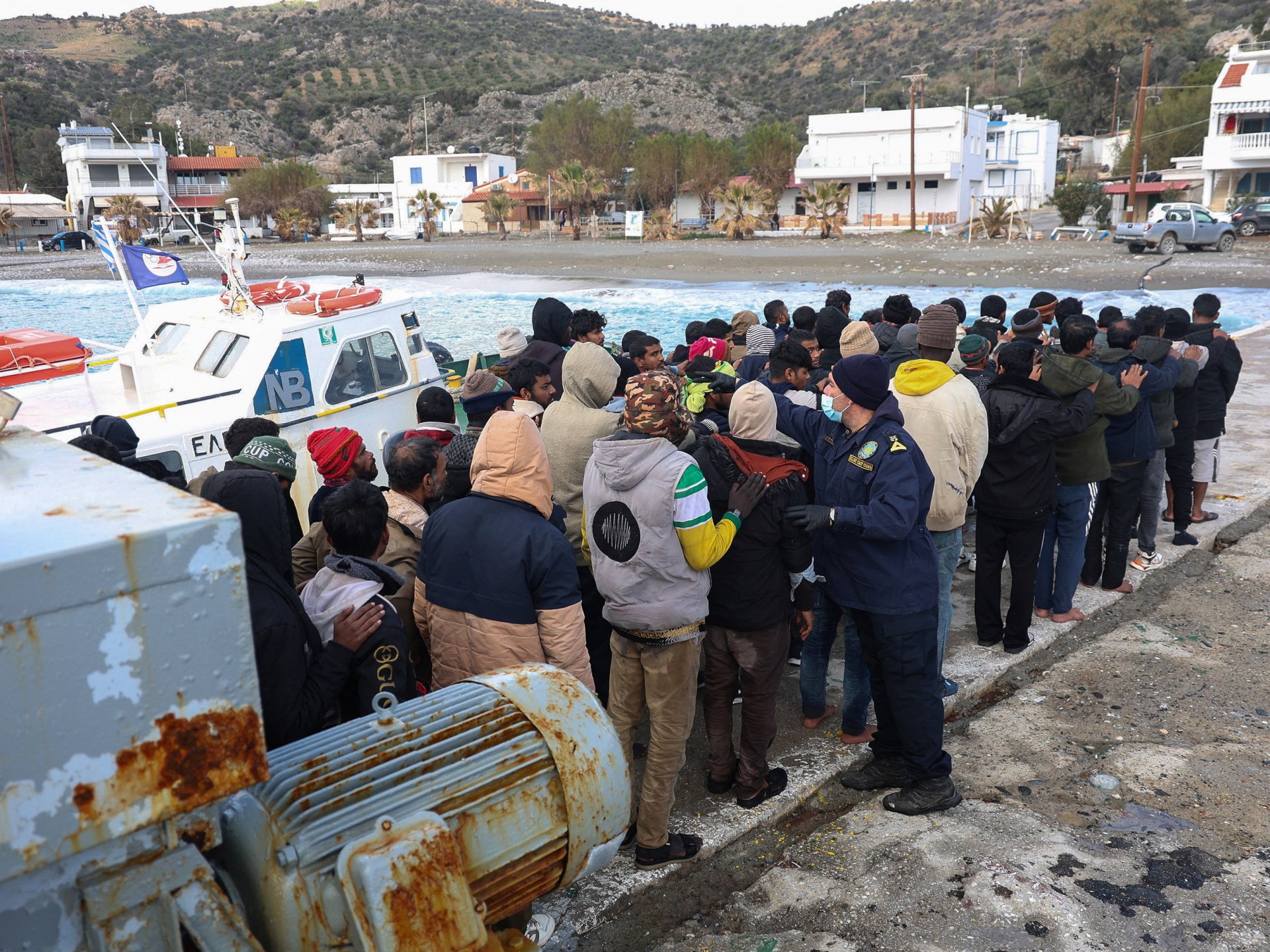

The tragic loss of at least 22 lives off the coast of Greece underscores a persistent and escalating challenge for the Middle East and North Africa (MENA) region: irregular migration to Europe. This incident, with survivor accounts detailing the callous disposal of bodies by smugglers, has profound implications extending beyond immediate humanitarian concerns. From a business perspective, the ongoing flow of migrants represents a significant strain on resources for frontline states in the region and those processing arrivals in Europe. This necessitates substantial and sustained investment in border security, rescue operations, and reception infrastructure, impacting national budgets and potentially diverting funds from critical economic development initiatives.
The regional infrastructure implications are equally significant. The reliance on perilous sea crossings from North Africa, particularly Libya, highlights a critical failure in regional governance and the lack of viable economic alternatives for many. Sovereign wealth funds in the region may face increased pressure to allocate resources towards addressing the root causes of migration – poverty, unemployment, and conflict – through targeted investments in education, job creation, and stability-building programs. Furthermore, the recurring crisis necessitates greater cooperation between MENA nations, European partners, and international organizations like the UNHCR and IOM to develop comprehensive migration management strategies. This could involve joint initiatives focused on economic development in origin countries, combating human trafficking networks, and establishing safe and legal pathways for migration.
Venture capital and private sector engagement in the MENA region will also be impacted. The instability and humanitarian crises fueled by irregular migration can create headwinds for foreign direct investment and disrupt regional supply chains. Conversely, there is an opportunity for innovation in areas such as migration tech – technologies for border management, data analysis, and humanitarian aid delivery – to attract investment and create new business ventures. However, a stable and predictable regional environment is paramount for sustained private sector growth and the effective allocation of capital. Addressing the underlying drivers of migration requires a long-term commitment that extends beyond reactive measures, encompassing proactive economic development and improved governance across the region.
Ultimately, the crisis in the Mediterranean necessitates a fundamental reassessment of migration policy and regional cooperation. The current approach, characterized by ad-hoc rescue efforts and reactive border controls, is demonstrably insufficient. Sovereign capital, strategically deployed, alongside targeted venture capital investments focused on long-term solutions, coupled with robust regional infrastructure development, are essential to mitigating this humanitarian and economic burden. Failure to address the root causes of this migration will continue to generate instability, strain resources, and undermine the long-term prosperity of the MENA region and its relationship with Europe.