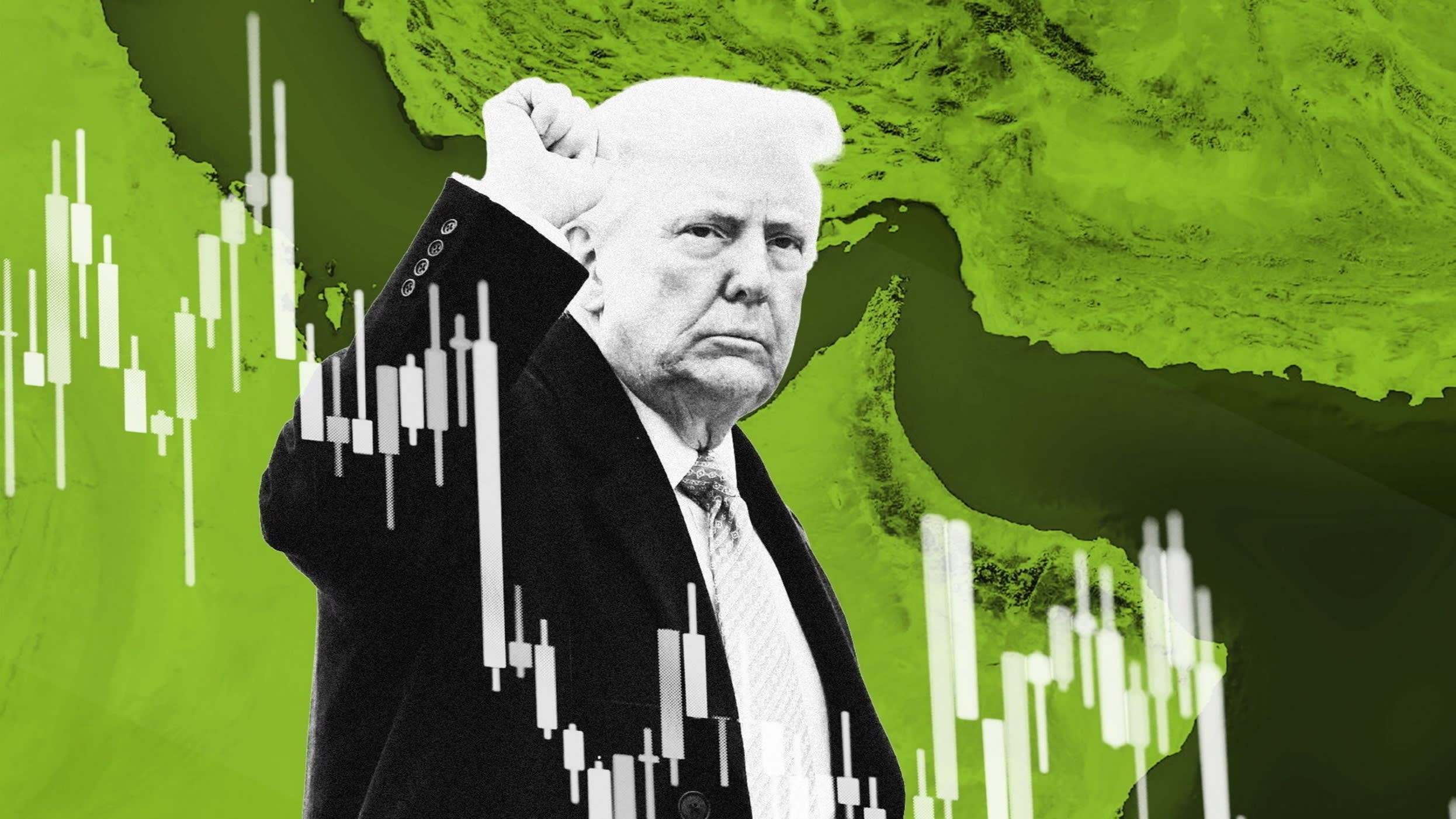

Recent Iranian media reports of a state-linked reward tied to a missing US crew member underscore the persistent geopolitical friction that continues to structure risk premiums across the Middle East and North Africa. For sovereign wealth funds and institutional allocators, such developments function as continuous stress tests rather than isolated security incidents, triggering immediate recalibration in cross-border capital deployment. Gulf sovereign vehicles, managing over $4.5 trillion in aggregate assets, are systematically adjusting risk-weighted exposure by prioritizing jurisdictions that offer regulatory predictability, hardened trade corridors, and institutional depth. As diplomatic volatility influences country-level risk pricing, sovereign capital is increasingly bifurcated: strategic national mandates remain anchored to domestic infrastructure and industrial capacity, while international portfolios are allocated toward globally liquid, yield-stable assets that insulate long-term development trajectories from episodic regional shocks.
This macro-risk environment is fundamentally reshaping venture capital allocation across MENA’s technology ecosystems, accelerating a structural pivot from consumer-driven models to resilience-layer and dual-use innovation. Institutional limited partners are redirecting dry powder toward secure logistics, maritime surveillance, sovereign-grade data localization, and AI-driven risk analytics, embedding geopolitical stress-testing into core due diligence frameworks. The region’s startup funding pipeline, which has matured into a multi-billion-dollar annual deployment cycle, now prices operational continuity and supply-chain redundancy into valuation multiples. Consequently, capital formation is gravitating toward enterprise infrastructure, defense-adjacent SaaS, and cross-border fintech rails that enable financial intermediation independent of volatile correspondent banking channels, effectively institutionalizing technology spending as a hedge against systemic disruption.
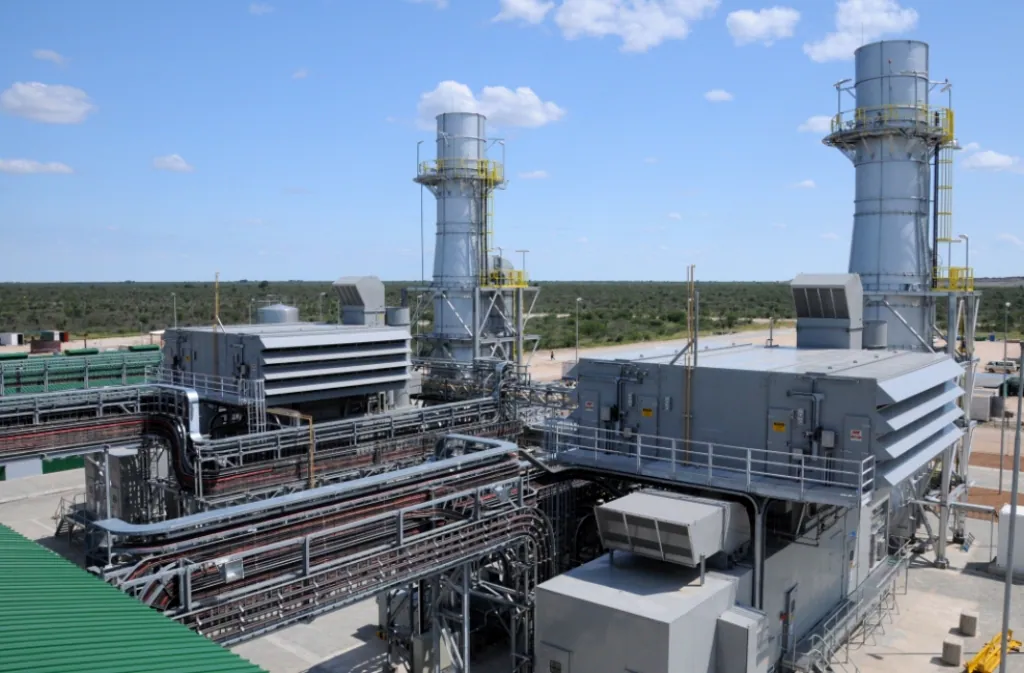
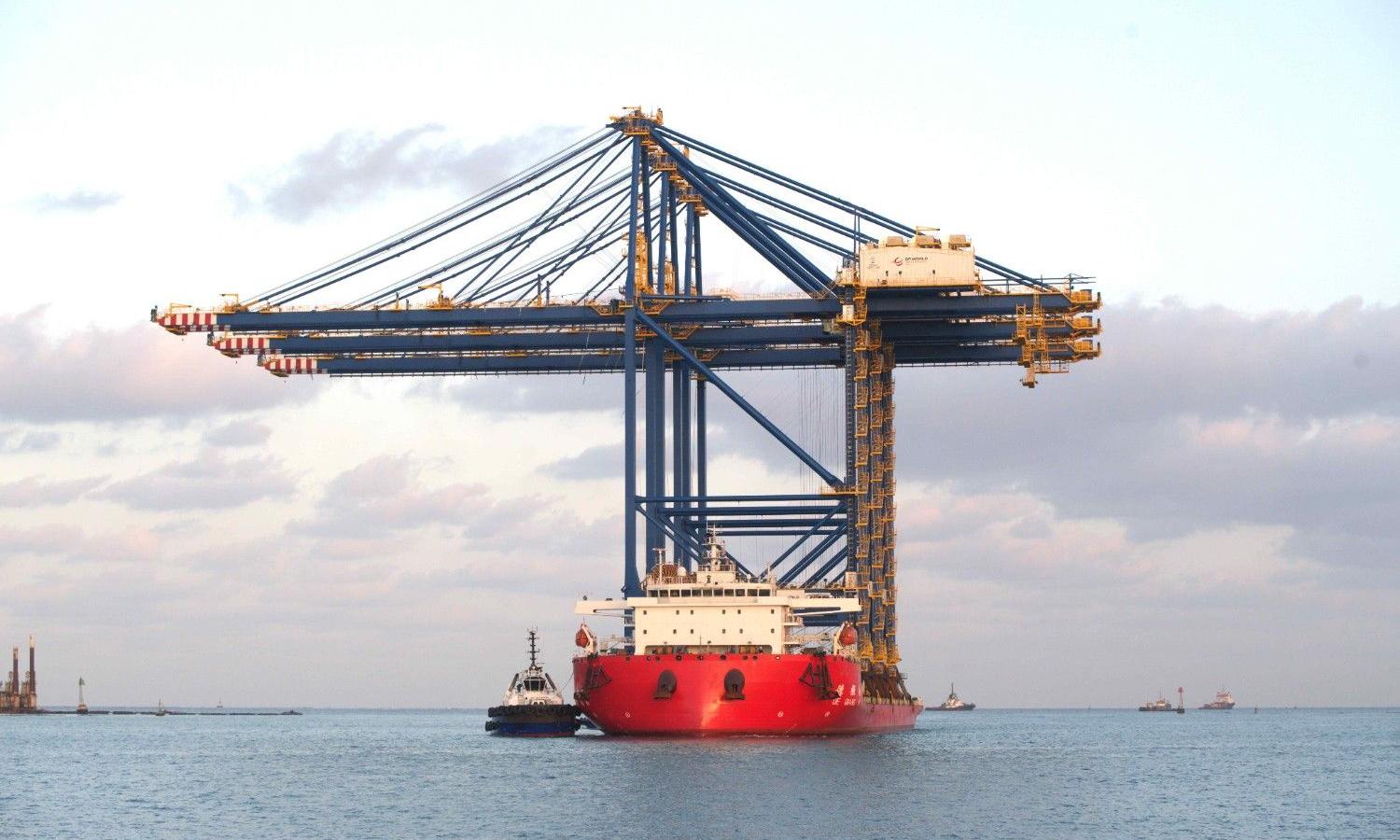
The compounding imperative to safeguard physical and digital trade routes is accelerating public-private capital syndication around critical regional infrastructure. Port automation, undersea cable redundancy, smart-grid interoperability, and secure data corridors are increasingly underwritten by consortia blending sovereign development funds, multilateral lending institutions, and institutional infrastructure capital. Foreign direct investment frameworks across North Africa and the Levant are consequently hardening around compliance, operational transparency, and engineering resilience, filtering out speculative capital while anchoring long-duration institutional allocation. For global asset managers and regional policymakers alike, the capital deployment thesis is unequivocal: liquidity will concentrate in markets that demonstrate scalable governance, bankable infrastructure pipelines, and institutional architectures capable of decoupling economic integration from structural geopolitical volatility.