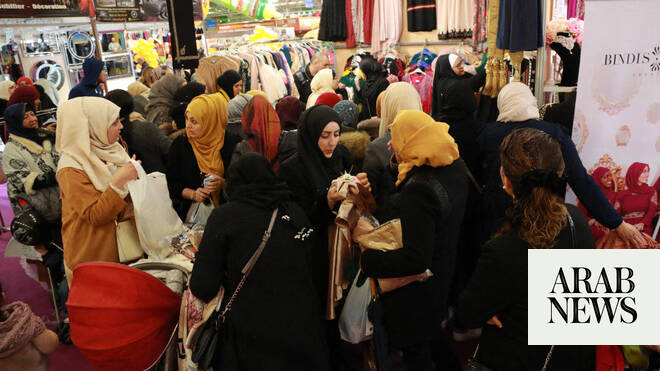

France’s abrupt ban on the Annual Gathering of the Muslims of France, ostensibly to prevent potential far-right disruptions and address perceived radical Islamist infiltration, underscores the acute security risks permeating public spaces in Europe. While the immediate concerns center on domestic unrest and electoral tensions, the broader implications for the Middle East and North Africa (MENA) region—particularly in sovereign capital allocation and venture capital sentiment—are profound. The Parisian authorities’ decision to cite a foiled pro-Iran bombing plot linked to regional geopolitics amplifies MENA’s exposure to spillover volatility, complicating sovereign investment narratives. For instance, governments in the Gulf and North Africa may face heightened scrutiny as foreign investors reassess regional stability, diverting capital toward perceived safe-haven assets or infrastructure projects insulated from communal discord. This risk premium could stymie long-term sovereign bonds’ attractiveness, exacerbating funding costs amid already strained fiscal balances in oil-dependent economies.
Venture capital dynamics in MENA are equally strained by such crises, which magnify perceptions of ideological fissures and security arbitrage opportunities. Investors tracking civil society engagement or faith-based initiatives may recalibrate risk appetite amid concerns over politicized regulatory environments, as seen in France’s proposed anti-radicalization bill. Meanwhile, tech startups leveraging AI-driven security solutions—from crowd management at large events to digital identity verification for financial inclusion—could see surging demand. However, venture funding in MENA’s tertiary sectors, such as halal fintech or interfaith economic cooperation, may contract unless startups preemptively align with evolving geopolitical guardrails. The fallout from France’s censorship of a pan-Islamic event signals investor wariness about cultural and religious alignment in cross-border collaborations, particularly in jurisdictions where nationalist agendas parallel tech-driven disinformation risks.
Regional infrastructure development will face both challenges and opportunities in the wake of such security-driven cancellations. The heightened alert in Paris—a hub for corporate diplomacy in MENA—could delay or derail infrastructure projects aimed at democratizing public spaces, such as smart city initiatives in Riyadh or connectivity hubs in Dubai. Conversely, the crisis may accelerate investments in security-centric infrastructure, including AI-powered surveillance networks for event venues and bank-linked emergency response systems, creating niche opportunities for defense-tech partnerships with MENA’s urban planners. Furthermore, sovereign states grappling with similar domestic tensions may prioritize “smart border” systems or blockchain-based identity frameworks to mitigate radicalization risks, though such measures risk side-swiping privacy-focused ventures reliant on data localization norms.