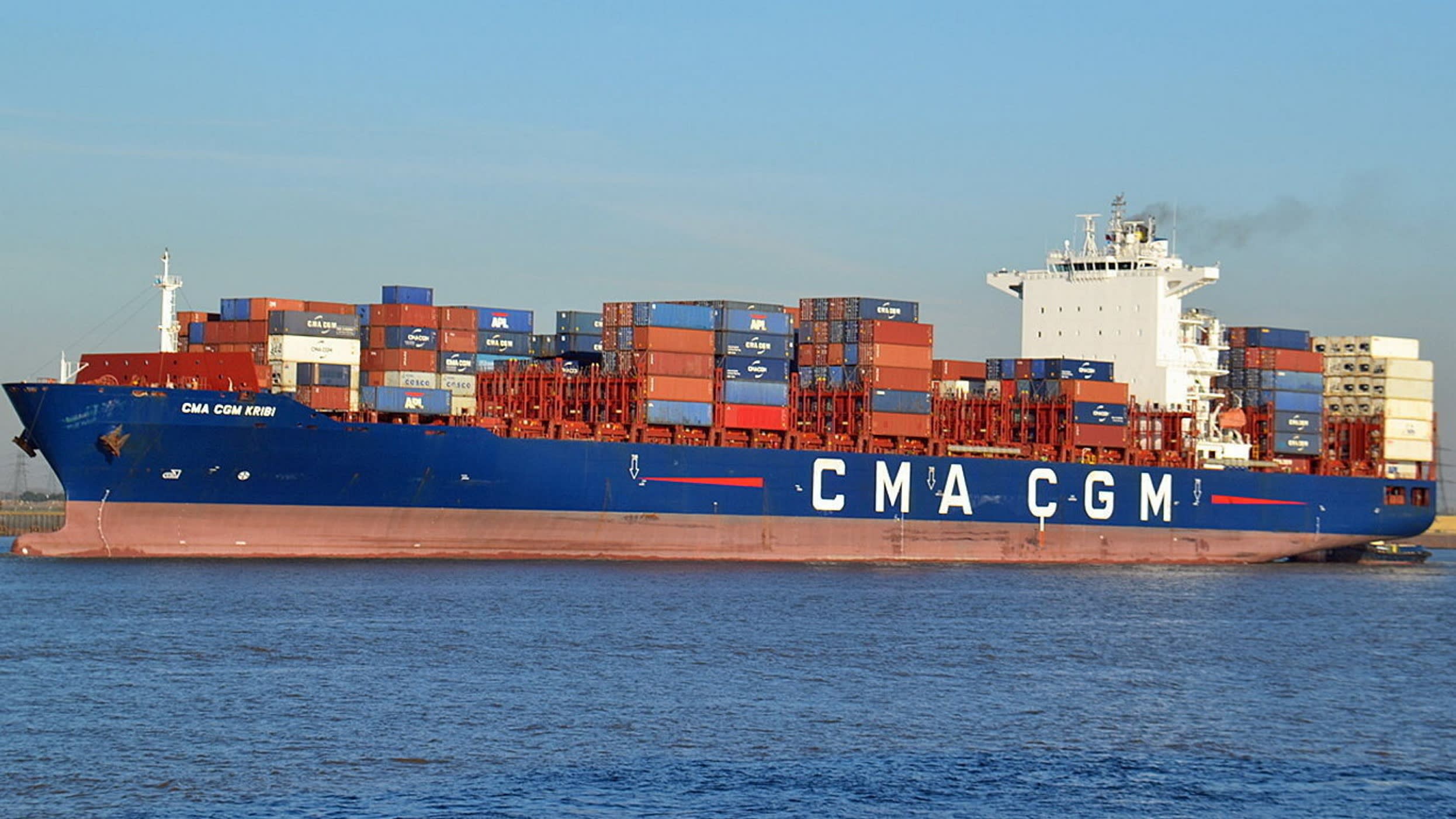

The recent transit of the CMA CGM-owned container vessel, the *MSC Aries*, through the Bab-el-Mandeb Strait – a critical chokepoint in global maritime trade – marks a tentative, yet significant, shift in risk assessment for Western shipping lines navigating the Red Sea. While the vessel’s passage, escorted by U.S. Navy forces, represents a single event, it underscores the growing pressure on commercial carriers to resume operations in the region following months of disruptions caused by Houthi attacks. The business impact of these disruptions has been substantial, forcing carriers to reroute vessels around the Cape of Good Hope, adding significant time and cost to voyages, and contributing to inflationary pressures on global supply chains. The willingness of CMA CGM, a major player in the industry, to resume transit, albeit with naval protection, signals a potential easing of insurance premiums and a gradual return to pre-conflict operational norms, though the underlying geopolitical risks remain acute.
The implications for sovereign wealth funds and regional infrastructure investment in the MENA region are considerable. The prolonged Red Sea crisis has highlighted the vulnerability of regional economies heavily reliant on maritime trade, particularly those in Egypt, Jordan, and Oman. Increased shipping costs and delays directly impact export competitiveness and port revenues. We anticipate a renewed focus on bolstering maritime security infrastructure, potentially attracting significant investment from sovereign entities like ADQ, PIF, and Mubadala. Furthermore, the crisis reinforces the strategic importance of alternative trade routes and port development projects, such as those underway in Saudi Arabia’s NEOM initiative and Oman’s Duqm Port. These projects, initially conceived to diversify regional economies, now gain added urgency as a means of mitigating future disruptions to traditional maritime corridors.
The venture capital landscape in the region is also indirectly affected. While direct investment in maritime security technology remains niche, the broader impact on supply chain resilience and logistics is likely to spur innovation and attract VC funding. We foresee increased interest in technologies related to port automation, real-time cargo tracking, and predictive risk management. Moreover, the crisis underscores the need for greater digitization of trade processes across the region, creating opportunities for fintech companies specializing in trade finance and cross-border payments. However, the overall investment climate remains sensitive to geopolitical developments, and any escalation of tensions could quickly dampen investor sentiment.
Ultimately, the *MSC Aries* transit is a fragile indicator of a potential normalization. The continued presence of U.S. naval escorts, and the potential for further Houthi actions, remain key uncertainties. The long-term impact will depend on the evolving geopolitical dynamics in the region and the ability of international actors to establish a stable security framework. For the Middle East and North Africa, this event serves as a stark reminder of the interconnectedness of global trade and the critical need for diversified infrastructure, robust risk management strategies, and proactive engagement from both sovereign and private capital to ensure regional economic stability.