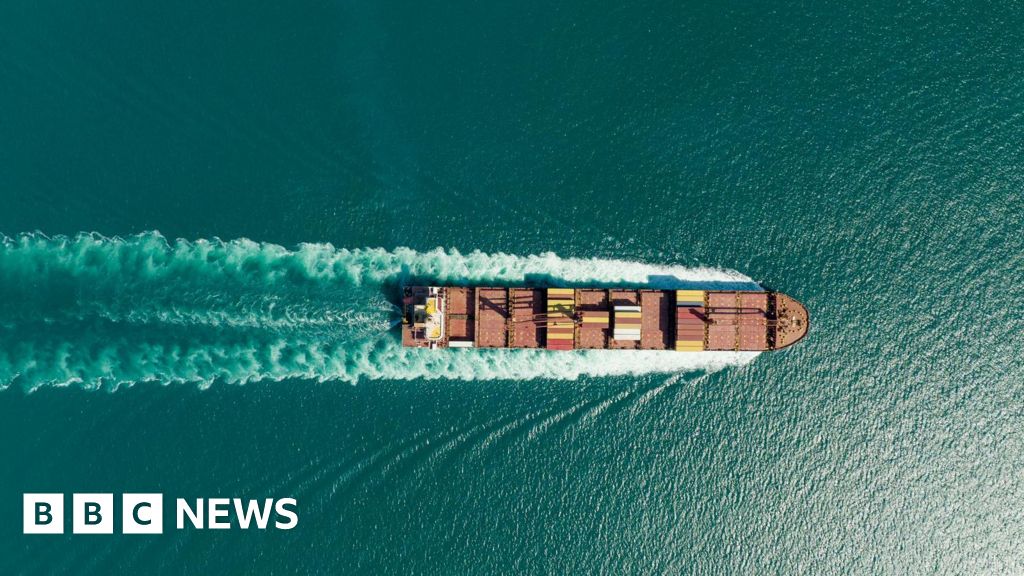

The reported transit of a major European-owned vessel through the strategically critical waterway signifies a tentative normalization of key trade corridors for MENA, a region deeply dependent on maritime logistics for its hydrocarbon exports and global supply chains. This nascent resumption carries immediate business implications for regional ports, logistics providers, and energy markets, potentially signaling a thaw in insurance and operational constraints that have recently elevated the cost premium for moving goods through the Strait. Sovereign wealth funds in the Gulf, particularly those with significant maritime assets and infrastructure investments, will closely monitor these developments as indicators of global risk sentiment and trade flow stability, which directly impacts their long-term portfolio valuation and regional economic strategy.
For sovereign capital, this development reinforces the ongoing strategic importance of bolstering intra-regional logistics infrastructure and diversified port capacities. Nations with significant sovereign capital deployed in maritime terminals and hinterland networks are positioned to capitalize on this potential stabilization, potentially accelerating investment in digital supply chain platforms and multi-modal transport solutions to mitigate future disruptions. Simultaneously, the volatile security environment underscores the imperative for such entities to integrate geopolitical risk assessment more deeply into their infrastructure asset allocation models, potentially redirecting capital towards resilient, commercially viable projects that enhance regional self-sufficiency.
The venture capital landscape in MENA, particularly in logistics technology and supply chain finance startups, is poised for heightened activity should trade flows firm. VCs will likely pivot towards startups offering solutions for route diversification, real-time risk monitoring, and sustainable maritime technologies, viewing recent disruptions as catalysts for adoption. This convergence of sovereign capital largesse and venture capital dynamism presents a compelling opportunity for MENA to emerge as a hub for innovation in resilient, integrated supply chain technologies, attracting further international investment and talent. Furthermore, the development accelerates the case for digital trade corridors and smart port initiatives within regional infrastructure development plans.
Ultimately, the successful passage underscores the inextricable link between regional security, global trade, and MENA’s economic infrastructure. It catalyzes a renewed impetus for governments and private capital to collaboratively invest in next-generation infrastructure—expanding port capacity, enhancing hinterland connectivity via rail and digital networks, and fortifying logistics ecosystems against geopolitical fragility. This represents not merely a recovery of existing capacity, but a strategic imperative for the MENA region to solidify its position as a resilient and adaptable fulcrum of global commerce in the decades ahead.