
Google’s $32 billion acquisition of Wiz marks not only the largest cybersecurity deal in history but also a watershed moment for the Middle East and North Africa’s nascent deep‑tech ecosystem. The transaction underscores the growing appetite of global hyperscalers for indigenous security platforms, a trend that sovereign wealth funds in Saudi Arabia, the UAE and Qatar are increasingly mirroring through dedicated tech‑focused arms such as PIF’s Sanabil Investments, Mubadala’s Ventures and Qatar Investment Authority’s technology pool. As these sovereign investors seek to diversify away from hydrocarbons, the Wiz exit provides a clear benchmark for valuing homegrown cybersecurity ventures and signals that MENA‑based founders can attract mega‑scale exits when they deliver enterprise‑grade products at speed.
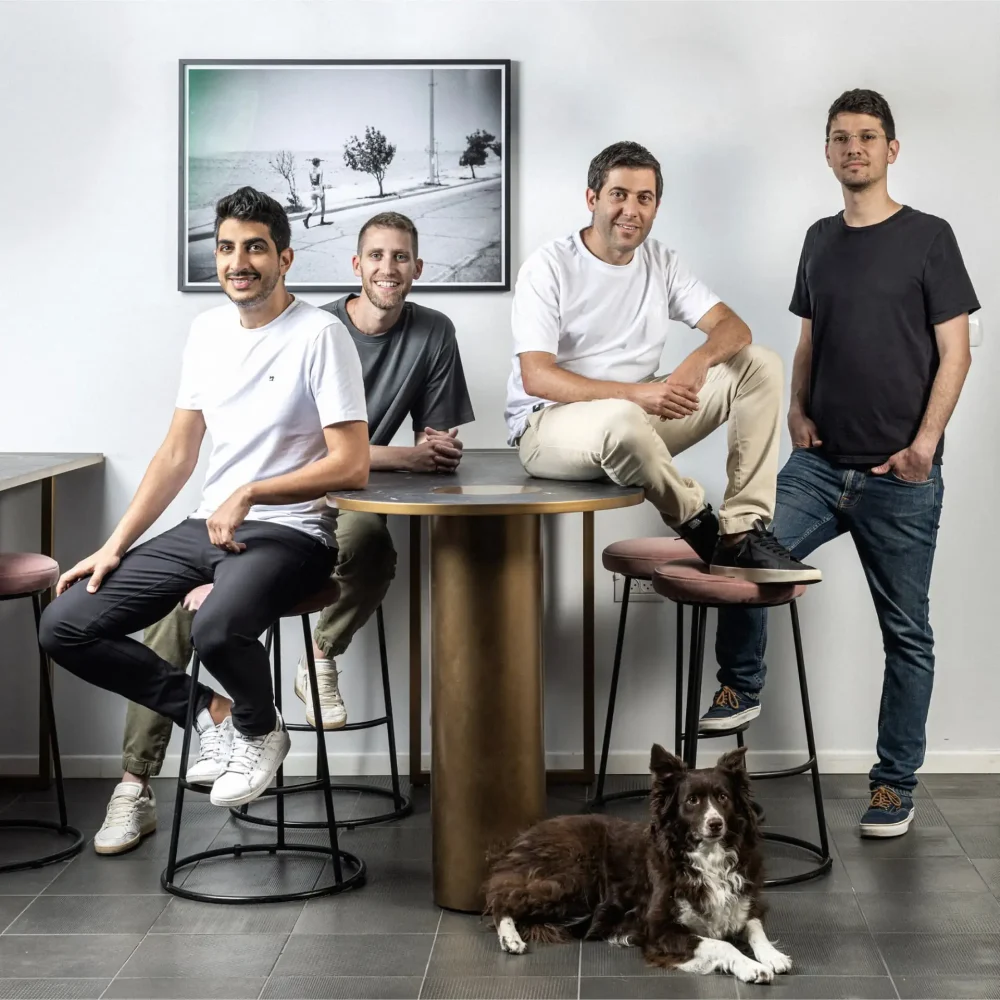
The Wiz story also highlights the strategic value of repeat, technically deep founding teams. All four co‑founders served together in Israel’s Unit 8200, built and exited Adallom to Microsoft, and then reassembled to create Wiz—a pattern that mirrors the most successful B2B outliers globally, from Databricks’ seven Berkeley‑trained founders to Anthropic’s OpenAI alumni squad. For MENA venture capital, the lesson is clear: funds that back founders with proven joint execution, clear functional demarcation and prior shared success are far more likely to avoid the decision‑paralysis and equity disputes that plague larger, ad‑hoc teams. This insight is already shaping the deal flow of regional VCs such as MENA Venture Investors, BECO Capital and Lumia Capital, which are earmarking larger follow‑on rounds for teams that bring military, academic or corporate R&D pedigrees to the table.
Beyond capital, the Wiz exit has tangible infrastructure implications. The deal validates the need for robust cloud security layers as MENA governments accelerate national cloud strategies—Saudia’s NEOM, UAE’s Smart Dubai and Egypt’s Digital Egypt initiatives all rely on secure, scalable infrastructure to host sovereign data and critical services. Consequently, we can expect increased sovereign co‑investment in local data‑center builds, cybersecurity sandboxes and talent‑exchange programmes with Israeli and U.S. security hubs. If the region can institutionalize the trust‑deep, technically oriented founder model demonstrated by Wiz and its peers, it will not only capture a greater share of global B2B value creation but also fortify the digital foundations upon which its economic diversification agenda rests.