
The first close of a targeted $25 million venture vehicle deploying sub-$1 million checks into supply chain, logistics, and manufacturing artificial intelligence signals a decisive institutional pivot away from asset-light consumer technology toward hard-tech and operational infrastructure. While this US Midwest-focused mandate operates in a specific geographic context, its sectoral concentration directly mirrors the strategic capital reallocation mandates currently being codified across MENA sovereign balance sheets and regional venture studios. Gulf and North African institutional allocators are increasingly mandating similar deployment parameters, recognizing that venture-backed supply chain digitization and predictive industrial AI are the foundational prerequisites for post-oil economic diversification. The market reality is clear: capital deployed into these verticals yields measurable operational leverage, directly enhancing regional competitiveness in trade, energy transition, and localized manufacturing.
For MENA’s venture capital ecosystem, this mid-market deployment model necessitates a structural recalibration of how regional funds interface with sovereign wealth capital. The Gulf’s institutional investors control the scale required to bridge the commercialization gap that often stymies early-stage industrial tech, yet regional VC frameworks have historically favored rapid scaling over operational maturity. By adopting disciplined, sector-agnostic but industry-prioritized mandates similar to established Western vehicles, MENA venture firms can effectively de-risk founder-led innovation and align it with sovereign economic blueprints. This convergence is critical for moving the region’s startup financing beyond proof-of-concept stages and toward enterprise-grade integration, where check sizing and co-investment structures are calibrated to support the long R&D cycles inherent in logistics optimization and advanced manufacturing.
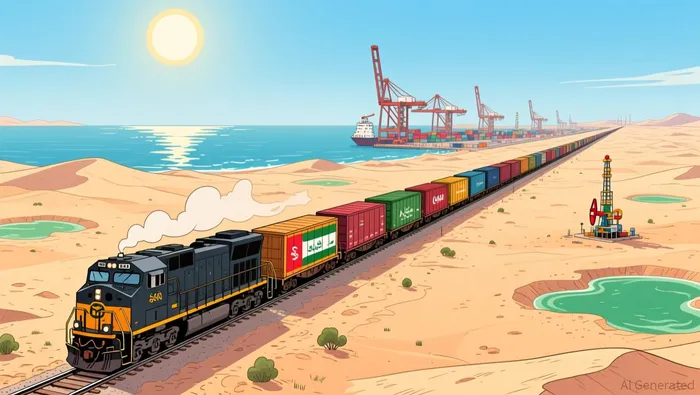
The infrastructure implications for the Middle East and North Africa are immediate and structural. Capital flowing into AI-driven supply chain and logistics platforms directly accelerates the operational readiness of sovereign trade corridors, automated port ecosystems, and next-generation industrial free zones spanning from the Red Sea to the Maghreb. As regional economies aggressively localize critical supply chains and transition toward high-value export models, venture capital must function as a catalytic de-risking mechanism rather than a standalone financial instrument. The long-term technological and commercial sovereignty of MENA markets will ultimately depend on the disciplined alignment of sovereign capital with specialized venture operators, ensuring that global industrial technology trends are not merely financed in the region, but embedded into its physical and digital infrastructure backbone.