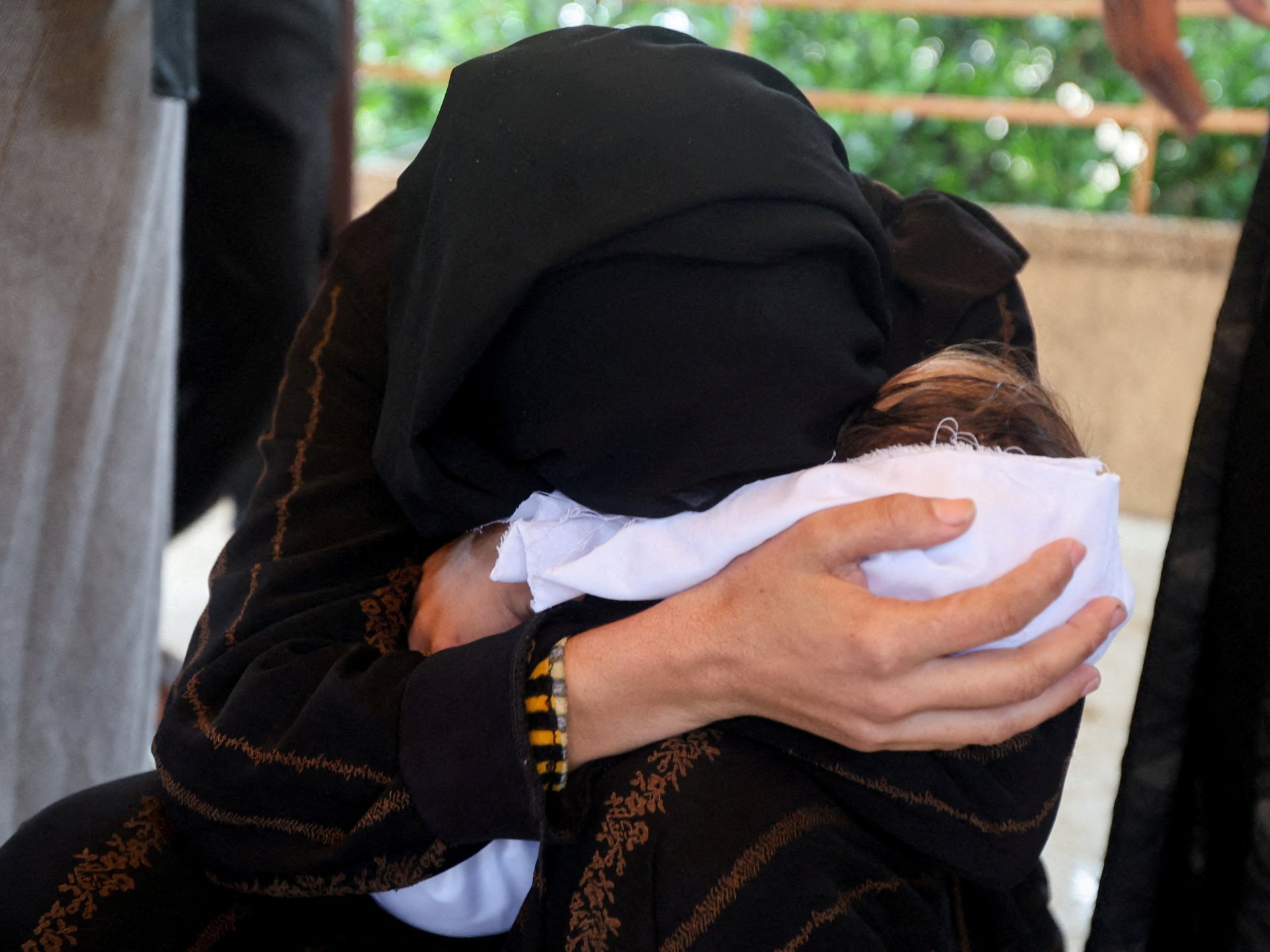

The ongoing conflict in Gaza presents a stark counterpoint to observances of Mother’s Day across the Middle East and North Africa. While regional celebrations largely proceeded as usual, the humanitarian crisis in Gaza underscores a profound socio-economic disruption with significant implications for sovereign capital allocation, venture capital flows, and the future of regional infrastructure development. The devastating loss of life, particularly among women and children, is creating a substantial long-term impediment to economic recovery and stability within the region.
The immediate business impact extends beyond the profound human cost. The destruction of infrastructure, including vital healthcare facilities and essential services, necessitates substantial sovereign capital investment for reconstruction – a burden that will strain already constrained national budgets. Furthermore, the conflict is significantly impacting foreign direct investment (FDI) sentiment across MENA. Investor confidence is eroded by the protracted instability, potentially diverting capital away from planned infrastructure projects and venture capital deployments in sectors like renewable energy, digital transformation, and sustainable agriculture. The interruption of supply chains and the disruption of labor markets within Gaza and the broader region further compound these economic challenges.
Critically, the crisis has implications for the regional venture capital ecosystem. The disruption to economic activity and the heightened geopolitical risk are likely to dampen investment in high-growth sectors, particularly in Gaza which possessed a nascent entrepreneurial landscape. Moreover, the humanitarian needs generated by the conflict will necessitate significant philanthropic capital, potentially diverting funds from core economic development initiatives. The longer the conflict persists, the greater the risk of a protracted economic downturn impacting investor appetite and hindering the realization of the region’s long-term growth potential, particularly in areas reliant on private sector innovation and investment.
Looking ahead, the reconstruction effort in Gaza and the broader stabilization of the region will require a coordinated international response and significant regional investment. This will necessitate a recalibration of infrastructure development priorities, focusing on resilience, humanitarian logistics, and economic revitalization. However, realizing these objectives hinges on a lasting cessation of hostilities and a commitment to addressing the underlying socio-political factors contributing to the conflict. Failure to achieve these conditions will continue to impede economic progress and threaten regional stability, with far-reaching consequences for both sovereign finances and private sector investment in the Middle East and North Africa.