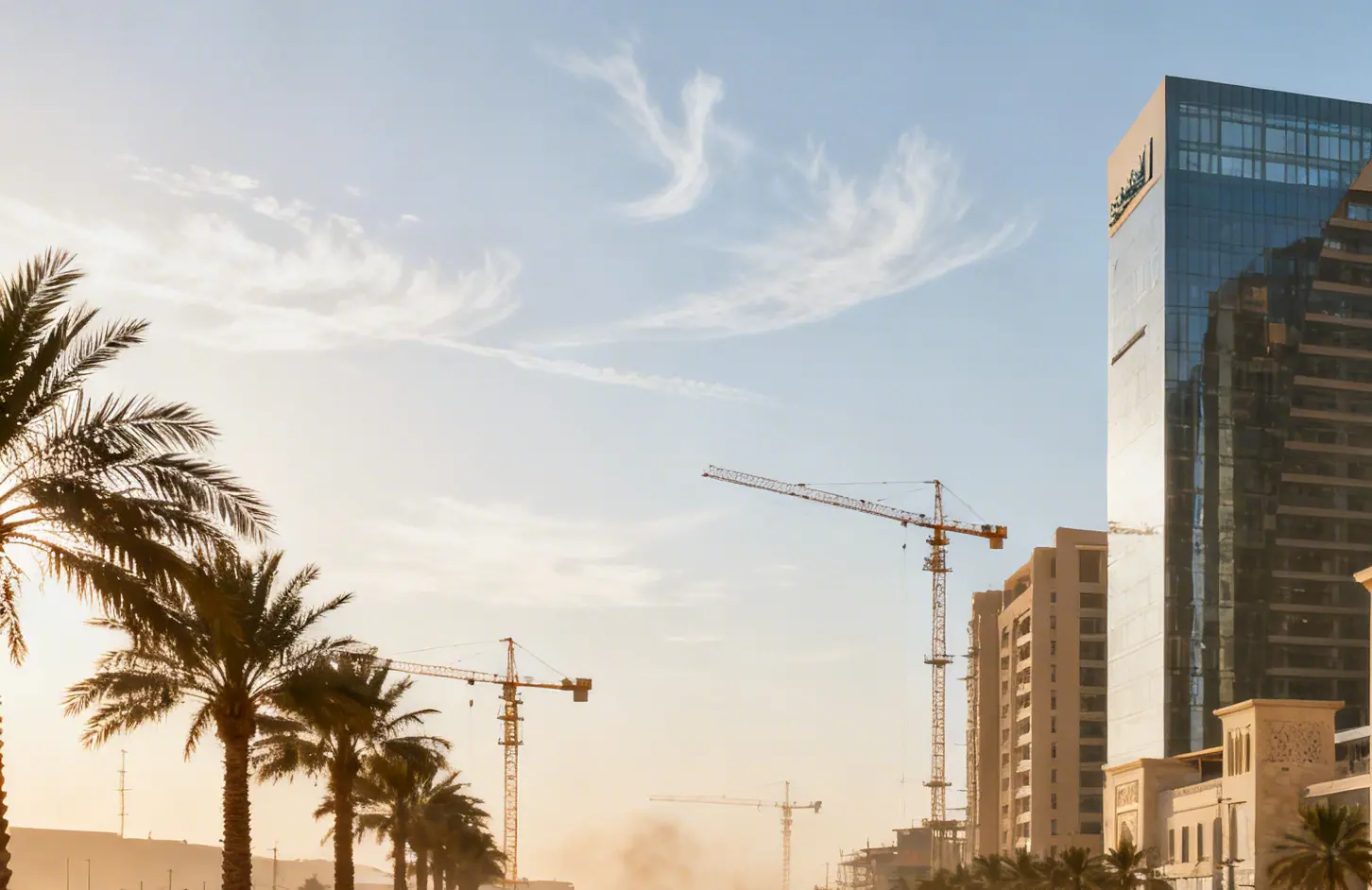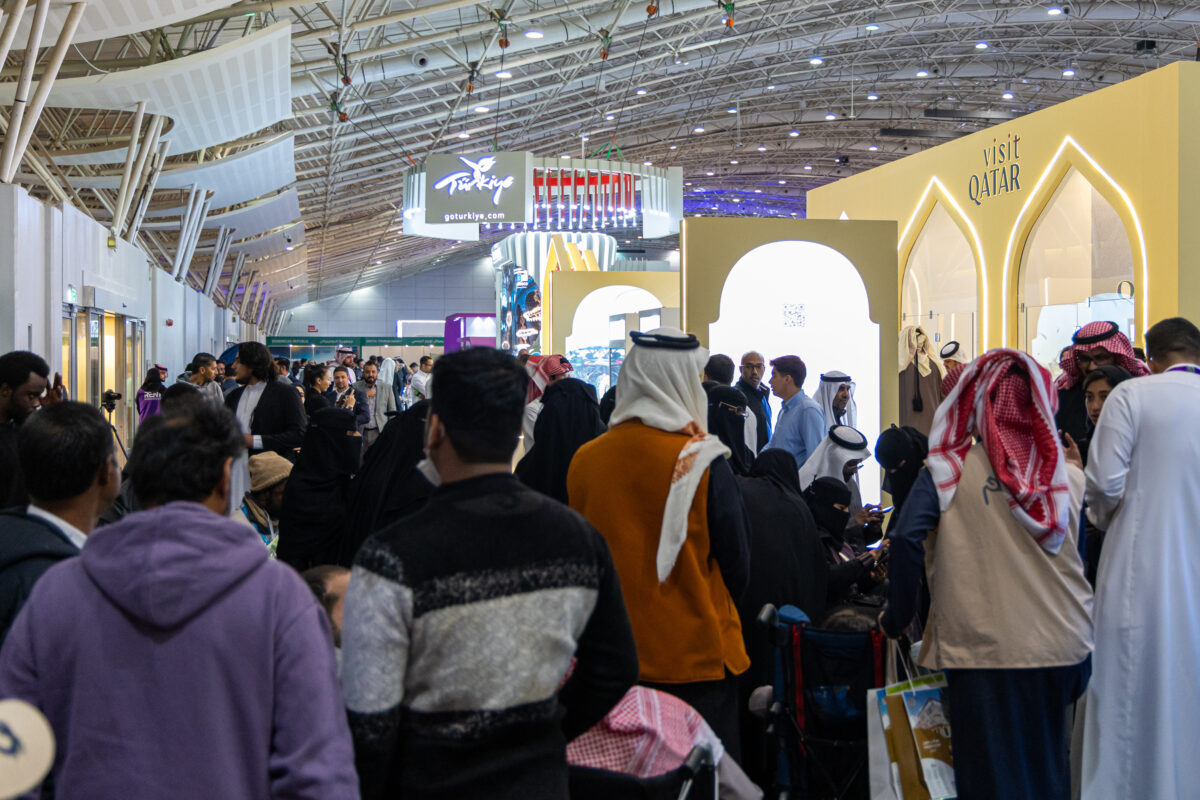

The discourse surrounding regional security, while politically salient, must be contextualized within the economic realignment reshaping the Middle East and North Africa. Sovereign wealth funds, particularly those of the Gulf Cooperation Council (GCC), are executing decisive, long-term capital reallocation strategies that de-risk portfolios away from Western markets and into domestic and regional technology and infrastructure ecosystems. This is not a passive trend but an active sovereign directive, with entities like the UAE’s Mubadala and Saudi Arabia’s Public Investment Fund committing over $100 billion collectively since 2020 to direct investments and fund-of-funds vehicles targeting fintech, logistics, and renewable energy within MENA. The immediate business impact is a recalibration of risk calculus; regional projects now carry an implicit sovereign backstop, altering the risk-return profile for private capital and fostering a new class of domestic champions.
Venture capital activity in the MENA region, while still a fraction of global flows, is experiencing structural maturation driven by this sovereign catalyst. The availability of “patient capital” from state-affiliated entities is filling theSeries A and B funding gap that historically forced promising startups to seek follow-on financing from Silicon Valley or London. This shift is fostering a vertically integrated innovation pipeline, from R&D in King Abdullah Economic City to scale-up hubs in Dubai Internet City. The business implication is the emergence of regionally dominant, technology-first conglomerates that are less susceptible to foreign regulatory or political shocks. However, a critical gap remains in late-stage, pre-IPO capital, a void that will require deeper involvement from international sovereign wealth funds and large-cap private equity to fully realize the region’s exit potential and sustain valuation momentum.
Infrastructure implications are profound and bifurcated. Physical infrastructure—ports, railways, and renewable energy grids—is being deliberately overbuilt to create seamless trade corridors, both intra-regional and bridging to Africa and Asia. Projects like the Saudi Landbridge and Egypt’s new administrative capital are not merely domestic projects but nodes in a strategy to position MENA as indispensable logistical and energy arbitrageurs. Concurrently, digital infrastructure—data sovereignty laws, localized cloud services, and regional payment gateways (e.g., the UAE’s FAWRI system)—is being architected to ensure economic resilience and data control. This dual infrastructure build-out creates a tangible, investable foundation that lowers operational friction for businesses but simultaneously increases the region’s bargaining power and reduces its historical dependency on Western-dominated systems.
The strategic takeaway for institutional investors is clear: the MENA region is transitioning from a capital-consuming market to a capital-allocating hub. The political rhetoric, while volatility-inducing in the short term, is secondary to the irreversible economic mechanics of sovereign capital deployment. The region’s trajectory points toward a consolidated, state-anchored economic bloc with its own regulatory frameworks, capital markets, and technological standards. The prudent investment thesis, therefore,还必须 (moreover) focus on identifying the partnerships and assets aligned with this sovereign vision, as they will define the competitive landscape and capture the majority of the region’s projected 4%+ annual GDP growth over the next decade. The era of treating MENA as a peripheral market is over; it is now a central, state-directed engine of its own economic destiny.