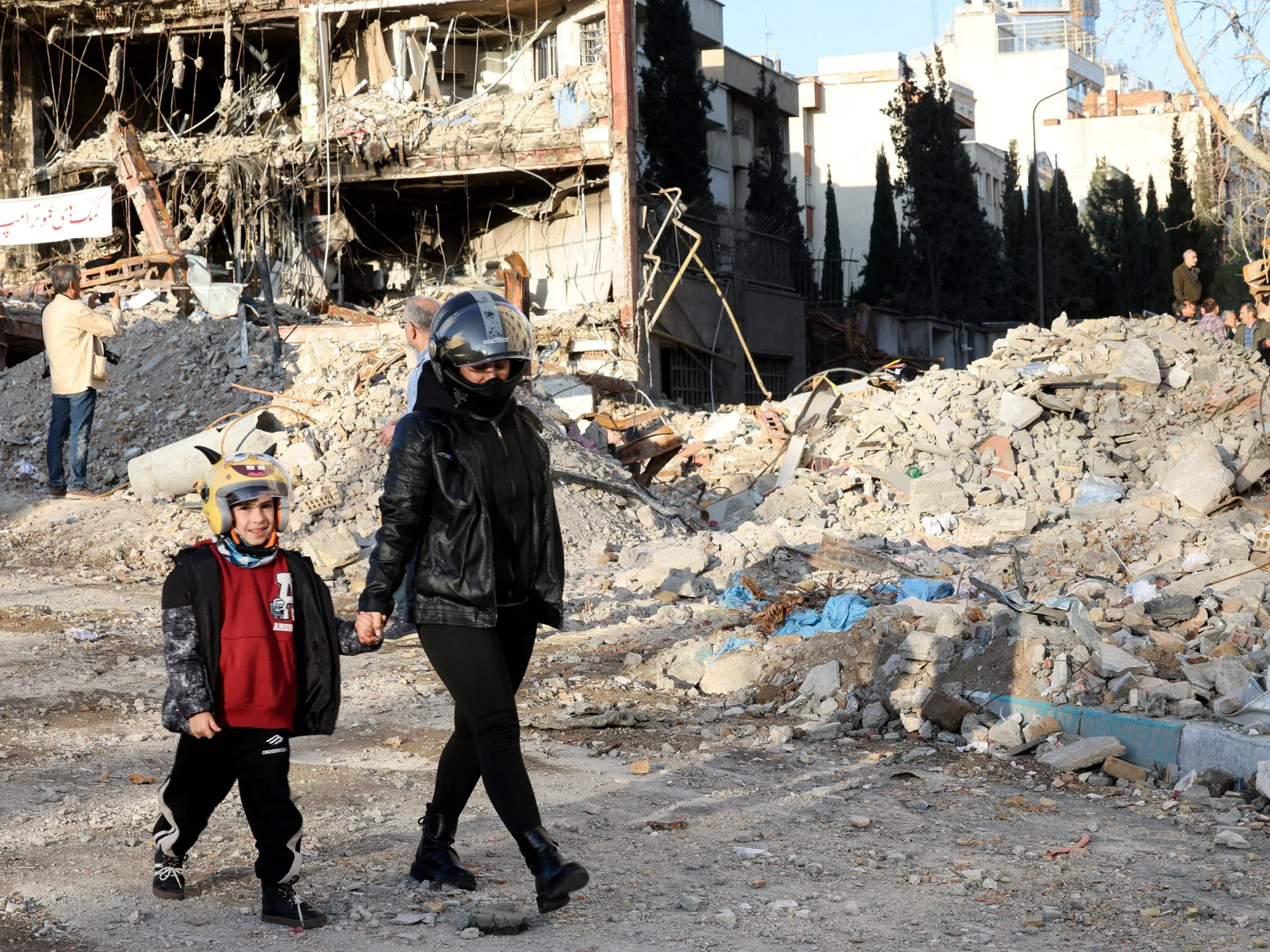

The unprecedented attacks on energy infrastructure across the Gulf region represent a systemic risk to global energy markets that extends far beyond immediate production disruptions. With at least 40 critical assets “severely or very severely” damaged according to the International Energy Agency, the business impact cascates through supply chains, insurance markets, and refining capacity across nine key oil-producing nations. This deterioration in regional energy security infrastructure forces multinational corporations to reassess operational footprints, reroute logistics through more expensive channels, and accelerate contingency planning that could increase operational costs by 8-12% for energy-intensive businesses within twelve months.
Sovereign capital responses have been swift and strategic, with Gulf Cooperation Council member states activating substantial portions of their $3.5 trillion collective sovereign wealth fund reserves to fortify critical infrastructure. These nations are not merely repairing damaged assets but recalibrating long-term investment strategies toward redundancy, diversification, and advanced protective technologies. The resulting capital reallocation—potentially exceeding $120 billion over the next five years—signals a fundamental paradigm shift from expansive production capacity to resilient, secure energy ecosystems that will reshape regional capital allocation frameworks for decades.
The venture capital ecosystem is simultaneously pivoting to address emerging security vulnerabilities while capitalizing on technological solutions that promise enhanced infrastructure protection. Specialized cybersecurity firms focusing on industrial control systems, drone detection technologies, and emergency response platforms are witnessing valuations surge by 40-60% as MENA-based funds and international investors recognize both immediate security imperatives and long-term returns in this niche market segment. This capital infusion is accelerating the deployment of predictive maintenance, autonomous security monitoring, and decentralized energy management systems that fundamentally transform traditional utility infrastructure models.
These attacks ultimately catalyze a fundamental restructuring of regional infrastructure development priorities, moving beyond capacity expansion to embrace comprehensive resilience frameworks that integrate physical, cyber, and operational security considerations. The resulting infrastructure investments—concentrated along critical energy corridors, strategic water desalination facilities, and intelligent grid networks—will establish new benchmarks in infrastructure governance and protection while positioning the MENA region as a testbed for next-generation energy security solutions worldwide. This represents both an immediate challenge to regional stability and a long-term opportunity to redefine global standards for critical infrastructure protection and management.