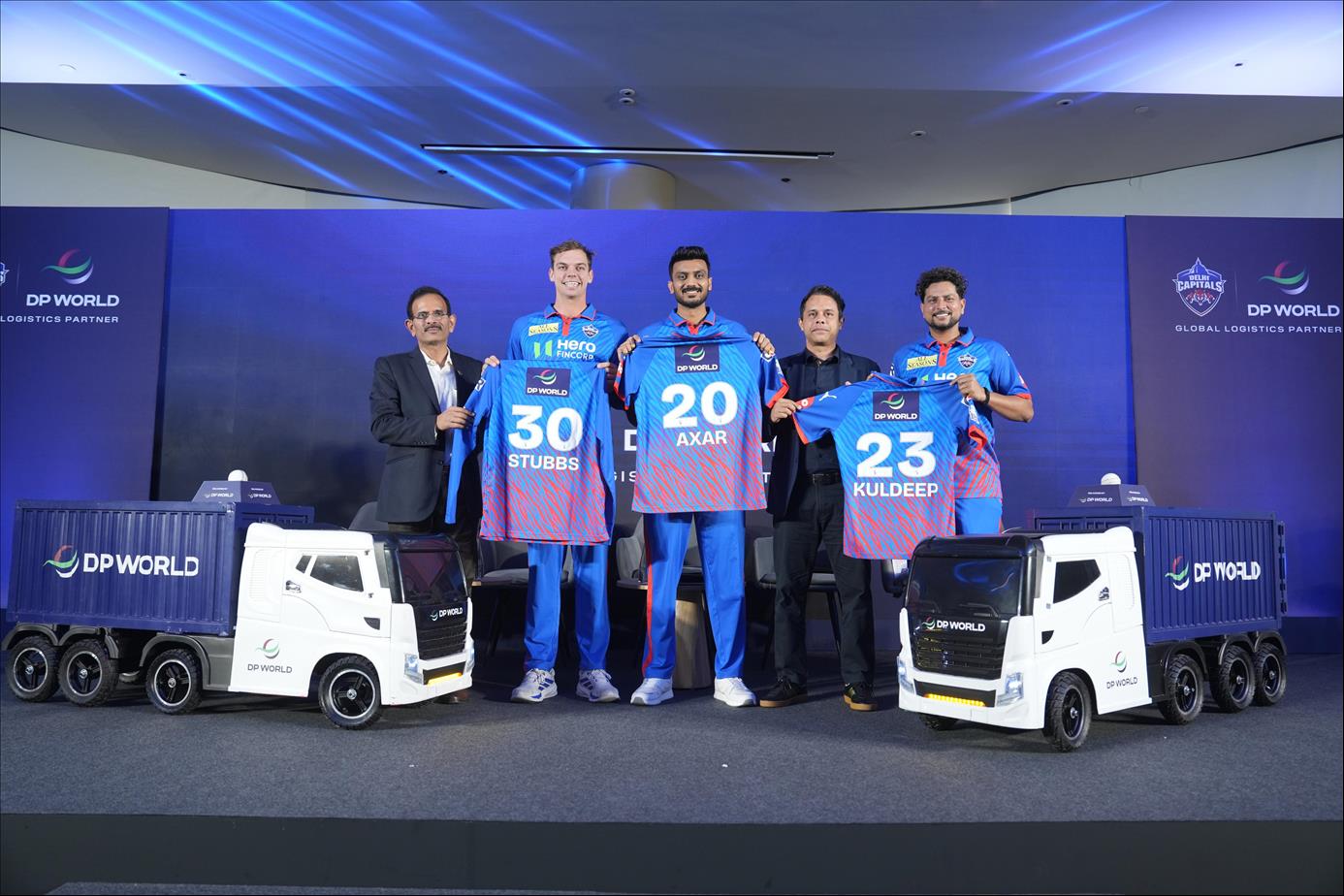

DP World’s expanded engagement with Delhi Capitals underscores a strategic alignment between global supply chain expertise and socio-economic development, a model with profound implications for MENA’s evolving business and infrastructure landscapes. The company’s logistical dominance—serving a quarter of India’s container traffic—demonstrates how public-private partnerships can optimize operational efficiency while fostering local economic ecosystems. For MENA, this sets a precedent: sovereign entities could leverage similar frameworks to enhance regional logistics networks, reduce trade friction, and attract foreign investment. By integrating high-performance supply chain solutions with community-focused initiatives, DP World illustrates how infrastructure investments can generate multiplier effects, driving both commercial growth and social inclusivity. This dual mandate resonates with MENA’s strategic priorities, where sovereign capital is increasingly directed toward projects that harmonize economic resilience with urban modernization.
The venture capital dynamics of this partnership warrant scrutiny for MENA’s burgeoning sports-tech and logistics sectors. The collaboration between DP World and Delhi Capitals is not merely about cricket but about monetizingscaleableinnovation. In the MENA context, this model could catalyze VC interest in startups combining telecom, AI-driven logistics, or sports digital platforms. Sovereign capital markets in the region, buoyed by Vision 2030 or UAE’s broader economic diversification, are poised to fund initiatives that mirror this synergy. For instance, UAE’s Mohammed bin Rashid Sports Complex or Saudi’s NEOM projects could adopt parallel approaches, embedding logistics partnerships into their operational blueprints. Such initiatives would attract risk-literate VCs, amplifying capital inflows into tech-driven infrastructure ventures that address both niche and mass-market demands.
Regionally, DP World’s emphasis on repurposed infrastructure—via shipping containers converted into sports facilities—offers a blueprint for sustainable development in MENA. The region’s aging or underutilized port facilities, traffic congestion, and rural connectivity gaps mirror challenges faced in India, albeit with unique socio-political contexts. By repurposing underused assets, governments can align with regional climate goals while creating affordable infrastructure for grassroots development. This approach could transform MENA’s urban peripheries, much like DP World’s work in Nagpur or Mumbai, into hubs of economic activity. Moreover, the partnership’s focus on sports infrastructure parallels MENA’s growing investment in experiential tourism and cultural projects, where private sector logistical backing can de-risk public investments. The long-term value lies not just in cricket but in establishing frameworks that blend operational excellence with community engagement, a lesson MENA’s policymakers can adapt to their unique circumstances.