
MENA’s Digital Transformation Accelerated: Google Translate’s Real-Time Voice Translation Expansion Signals Strategic Shift
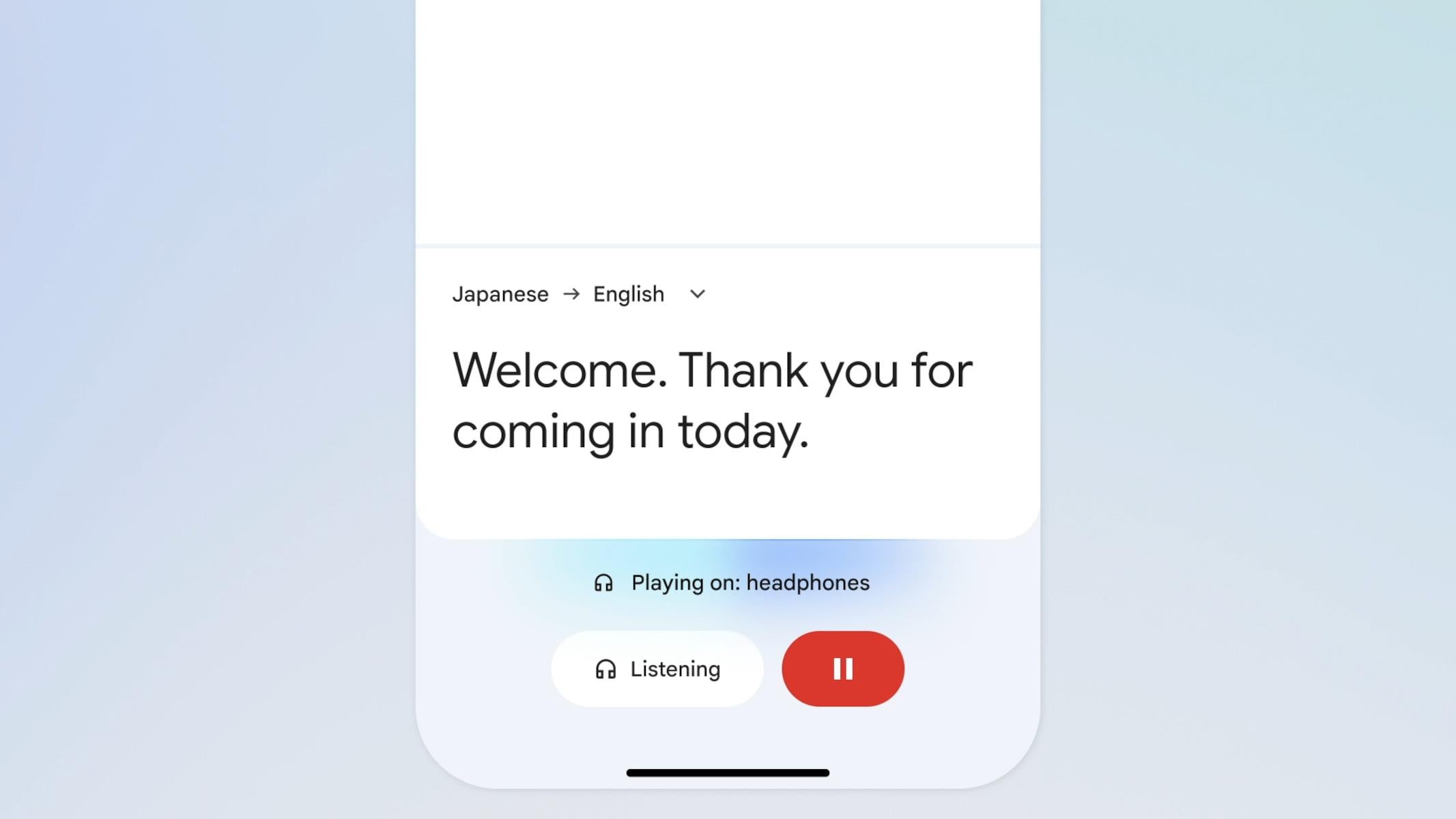
The recent rollout of Google Translate’s Gemini-powered real-time voice translation feature to iOS devices, alongside expanded language support across the Middle East and North Africa, represents a significant development with far-reaching implications for the region’s burgeoning digital economy and sovereign capital investments. While initially focused on Android, this expansion underscores a deliberate strategy by Google to solidify its position as a key enabler of connectivity and cross-cultural understanding within a region increasingly reliant on digital tools for economic growth and social interaction. The addition of languages like French, German, and Arabic – critical for regional trade and diplomacy – directly addresses a persistent need for seamless communication and strengthens Google’s competitive advantage against regional tech players. This move also necessitates increased investment in localized AI infrastructure and data centers within MENA, potentially attracting sovereign wealth funds and bolstering the region’s nascent tech ecosystem.
The venture’s impact extends beyond simple convenience. The ability to instantly translate conversations, particularly in sectors like tourism, hospitality, and international business, will unlock new revenue streams and operational efficiencies. Venture capital firms are likely to prioritize investments in companies leveraging this technology – from augmented reality applications for tourism to AI-powered interpretation services for multinational corporations operating in the region. Furthermore, the increased accessibility of information and communication facilitated by real-time translation will accelerate the adoption of digital services across diverse demographics, driving demand for improved mobile infrastructure and broadband connectivity – areas where regional governments are actively pursuing strategic investments. The potential for this technology to bridge linguistic divides and foster greater collaboration between businesses and communities is substantial, creating opportunities for localized content creation and digital literacy programs.
However, the successful integration of this technology hinges on addressing critical infrastructure gaps. Reliable internet access, particularly in rural areas, remains a significant barrier to widespread adoption. Moreover, the accuracy of real-time translation, especially in dialects and informal speech, requires continuous refinement through localized training data. Sovereign wealth funds and regional governments should consider strategic investments in bolstering digital infrastructure, alongside supporting the development of robust AI training datasets tailored to the nuances of Arabic and other regional languages. The long-term success will also depend on navigating data privacy concerns and ensuring equitable access to the technology across socioeconomic strata, preventing a digital divide from widening.
Ultimately, Google Translate’s expansion into MENA is more than just a product launch; it’s a strategic signal of Google’s commitment to the region’s digital future. By leveraging AI and real-time translation, Google is not only enhancing user experience but also catalyzing broader economic and social transformation, positioning itself as a key partner in MENA’s ongoing journey toward digital inclusion and global competitiveness.