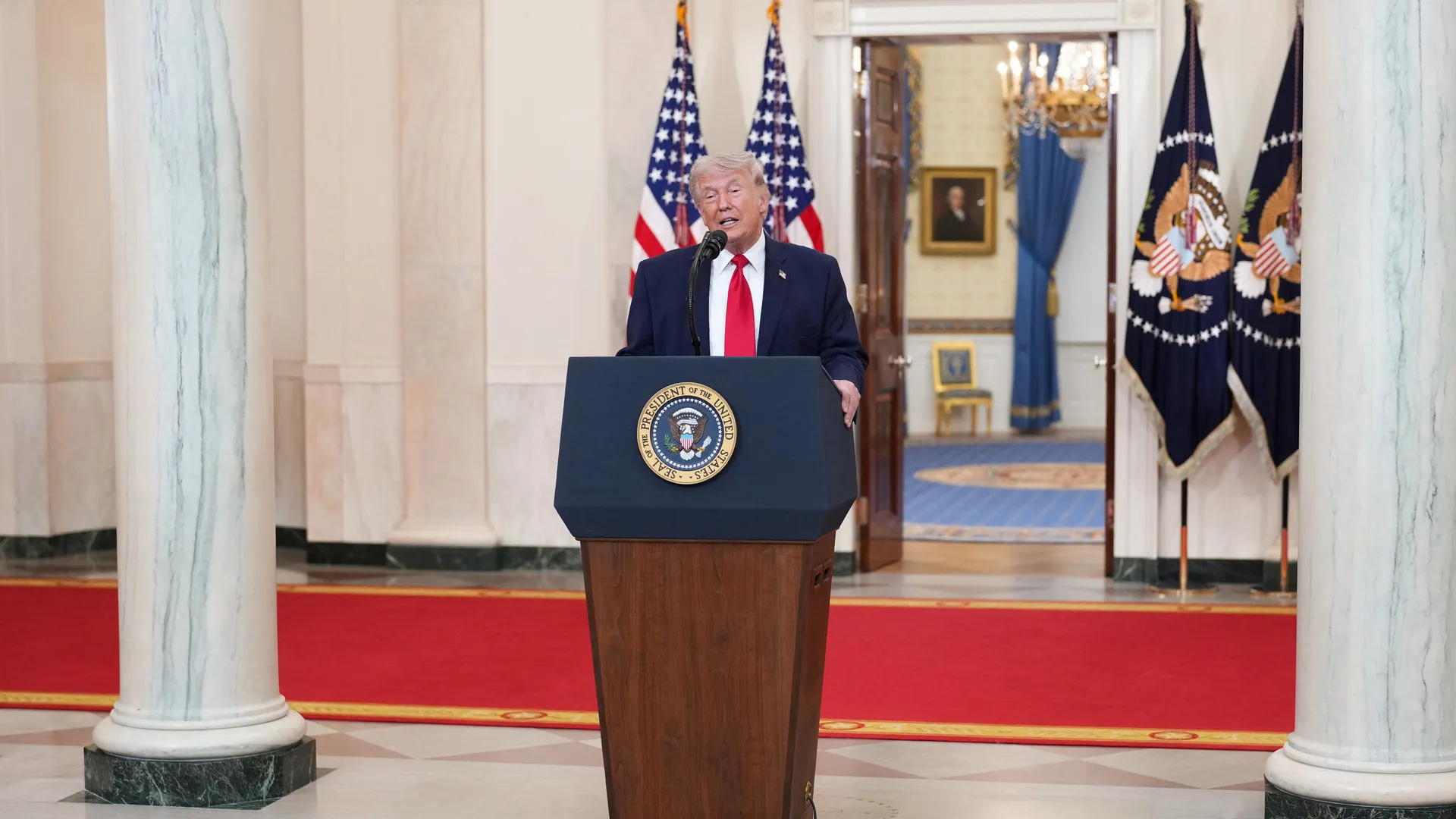

The regional equities markets in the Gulf demonstrated a nuanced response to escalating geopolitical tensions in March, as the cross-border conflict involving Yemen’s Houthis drew in additional US military involvement. Saudi Arabia’s Tadawul All Share Index registered only a marginal 0.13 percent decline to 11,076.40, a relative resilience that reflects both the depth of domestic capital markets and stability anchored by Saudi sovereign wealth flows through the Public Investment Fund. Total trading turnover reached $986 million, underscoring continued liquidity despite the broader Middle East conflict narrative. The parallel market, Nomu, inched 0.14 percent higher, while the MSCI Tadawul benchmark slipped 0.46 percent, suggesting that global passive investors maintained cautious positioning amid US-Donald Trump administration defense posturing over Iran.
Corporate announcements reaffirmed the strength of Saudi state-backed commercial relationships, with Saudi Steel Pipe Co. securing a SR127 million contract from Saudi Aramco to supply critical oil and gas pipeline infrastructure—a 12-month arrangement that will not materially impact financials until the first half of 2027. The Anat International Holding Group advanced 6.35 percent, while retail-focused Arabian Centres reported a SR1.26 billion net profit in 2025, up 4.11 percent year-on-year, aided by one-off insurance claim settlements and strategic real estate disposals. Brent crude futures surged 4.2 percent to $112.57 a barrel, reflecting persistent supply concerns from the Strait of Hormuz corridor, even as Saudi Arabia’s East-West pipeline operated at full 7 million barrel-per-day capacity to circumvent potential chokepoints.
Elsewhere in the Gulf, heightened conflict risk triggered mild selloffs: the Qatar Exchange declined 0.98 percent, the Bahrain Bourse fell 0.09 percent, and Boursa Kuwait dropped 0.72 percent. Oman’s Muscat Securities Market bucked the trend, rising 0.77 percent on select blue-chip gains. UAE exchanges remained closed, but regional capital allocators will closely monitor sovereign funds’ activity, as well as venture capital deployment into technologies aimed at logistics and energy security. The evolving risk matrix suggests ongoing investor arbitrage between established Saudi infrastructure plays—bolstered by PIF inflows—and higher-risk, higher-reward targets such as AI-powered logistics and smart city ventures across the GCC, where conflict-driven volatility could either constrain or accelerate public-private partnerships and sovereign-backed capital channels.