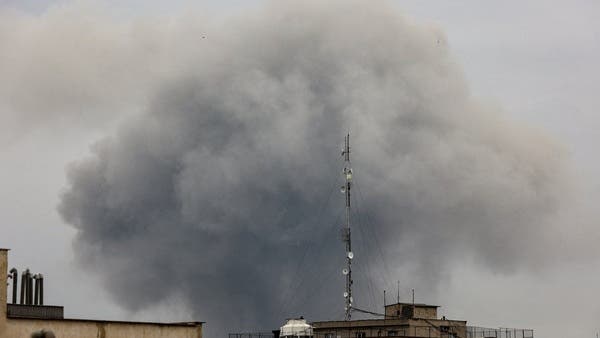

Investor sentiment across the Middle East and North Africa remained hedged as geopolitical tensions escalated, unveiling a disjointed market landscape shaped by energy security anxieties, sovereign capital flows, and evolving regional infrastructure strategies. The central driver of forced volatility was the mounting fear of broader conflict—particularly over Iran’s oil infrastructure, including the Kharg Island export terminal, which emerged as a focal point of preemptive military action. Market participants reacted swiftly to these developments, with exchanges marking a palpable shift in risk appetite and equity valuations.
Sovereign capital struggled to maintain its momentum in an increasingly volatile environment. In the UAE, despite initial support from indices such as Dubai’s benchmark, investors realized that any further risk to oil reserves and finished products would catalyze a substantial correction. Emaar Properties’ slump and Emirates NBD’s decline underscored how shipment interruptions directly affected high-profile firms, reinforcing caution among institutional investors. Meanwhile, Emirates NBD’s 1.7% dip highlighted growing concerns over rising financing costs, raising the specter that redemptions may slow, thus impacting regional liquidity conditions.
Meanwhile, venture capital ecosystems faced a dual challenge—reassessing commitment levels amid heightened market uncertainty but also matching capital inflows into tech and SaaS as overarching confidence in MENA’s economic diversification structures solidified. In this complex interplay of regional risk perception and sovereign finance, the premium region players will be increasingly attuned to infrastructure integrity and exchange stability as critical regulators of long-term value.
This situation reinforces the necessity for policymakers and market actors alike to prioritize transparency regarding supply chain resilience, aligning regulatory frameworks with the enduring priorities of megaculture and energy transition. The imbalances exposed are not merely transactional; they reflect deeper recalibrations in investment philosophy, where the Gulf’s financial landscape must increasingly weigh strategic foresight over reactive sentiment.